
Pest Control in Stone Gate, Cypress
Stone Gate is a golf-course subdivision of about 1,800 house lots built around Houston National Golf Club, in unincorporated Harris County roughly 12 road miles from our office. Fairway turf, water hazards and large storm basins put fire ants, mosquitoes and raccoons near the top of the list, with Formosan termites a county-wide concern.
Call 281-627-4810 Request a free inspection
Year-round protection plans from $70 Core · Premium · Legendary See the plans
Stone Gate, Cypress on the map
The Houston National Golf Club’s own website gives its address as 16500 Houston National Boulevard, “within the Stone Gate Subdivision,” and lists 18 holes designed by Von Hagge, Smelek & Baril. For anyone dealing with pests here, that sentence is the whole story in brief: a full 18-hole course of mowed turf, ponds and sand traps with houses lining its edges.
Finding it
OpenStreetMap draws Stone Gate as a group of about twenty smaller pockets wrapped around the golf course, with names such as Willow Fairway, Crimson Canyon and Bluff Springs. The OSRM route from our Spring office to the middle of it comes to 11.9 miles, about 23 minutes.
Census TIGERweb places that point in Harris County outside any incorporated city or Census-designated place. Most homes carry a Houston 77095 mailing address, but the subdivision sits outside Houston’s city limits, and its next-door neighbor, Canyon Lakes at Stonegate, is a separate community.
What the parcel records show
The Harris County Appraisal District parcel layer files about 1,900 parcels under Stone Gate sections 1 through 18, roughly 1,835 of them single-family lots. Where a land area is recorded, the typical lot is about 8,400 square feet, with the larger tenth topping 11,500. Several parcels inside those sections are grouped with the county’s golf course properties. Street names such as Keystone Fairway, Pinon Vista, Canyon Mills and Heron Meadows run through the sections.
Fairways and fire ants
Golf courses are on Texas A&M’s short list of fire ant habitat. Its fire ant program names golf courses alongside lawns and parks, says mounds are most common in open, sunny turf, and explains that frequent mowing pushes colonies into neighboring undisturbed ground. Behind a fairway lot, that undisturbed ground is often the planting bed along your back fence or the gap under a patio slab. Mounds left alone can reach about 35 centimeters tall with tunnels more than a meter deep. Ant control here covers the full yard rather than single mounds.
Water hazards, basins and mosquitoes
OpenStreetMap shows water hazards scattered across the course, such as this one and this one, and two large storm basins less than a mile from the middle of the subdivision, one about 30 acres and another near 20 acres, both tagged as intermittent. The flood control district’s watershed layer puts Stone Gate in the Addicks Reservoir watershed, and the district’s Addicks page lists Horsepen Creek, which passes less than two miles from the middle of the neighborhood, among the four primary streams in that 138-square-mile basin.
Texas A&M AgriLife’s overview of mosquitoes after rain lines up neatly with that layout. Basins that flood and drain hatch floodwater mosquitoes, aggressive biters from dawn to dusk. Gutters, buckets and pet dishes add container species within days, and Culex follow from stagnant water and storm drains. Our mosquito control visits clear what you can drain on your lot and treat the shrubs where adults shelter.
Raccoons on the course edge
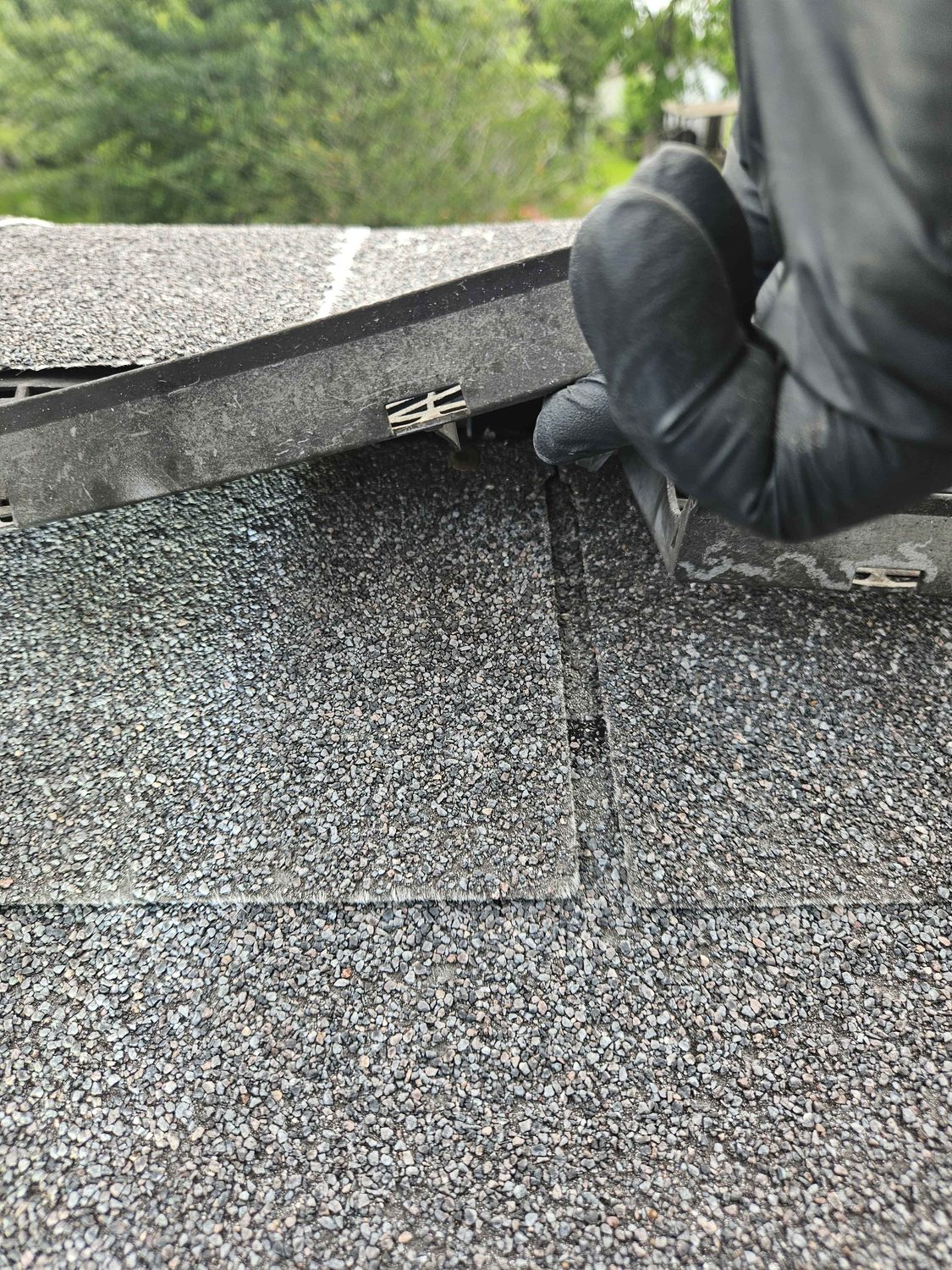
A golf course with ponds and tree lines is a wildlife corridor. AgriLife’s raccoon publication says raccoons prefer water with trees and brush nearby, den in attics and chimneys in towns, and do most of their urban damage to attics and roofs. Pet food left on a patio facing the course is an invitation. Raccoon control and exclusion and repairs keep them outside.
Termites
Stone Gate falls in Harris County, which Texas A&M’s urban entomology program counts among the places where Formosan subterranean termites have turned up. Swarmers fly toward lights at night in late May and early June, and mud tubes on the foundation or wood that sounds hollow when tapped are the other signs to note.
For public land, Harris County Public Health’s Mosquito and Vector Control Division posts proposed treatment areas and works between 8:30 p.m. and 5 a.m. when the weather allows.
Setting up service
Every new customer starts with a free inspection and a written price before treatment. There is no long-term contract to sign, and our 100% Service Guarantee stands behind every visit. Ongoing service is laid out under our core protection programs.
West of Stone Gate, Towne Lake wraps around a single large lake, and Coles Crossing lies a few miles north. Our Cypress page covers everything else nearby.
Frequently asked questions
We live on the golf course. Why do we get so many fire ant mounds along the back fence?
Fairways are mowed and disturbed constantly, and Texas A&M's fire ant program notes that disturbance pushes colonies into nearby ground nobody touches. A back fence line next to the course is exactly that kind of spot. Treating the whole yard on a schedule keeps them from settling in.
Our address says Houston. Is Stone Gate inside the city?
No. Many Stone Gate homes carry a Houston 77095 mailing address, but Census boundary files show the subdivision in unincorporated Harris County, outside Houston's city limits. That is why county agencies, not the city, handle things like public mosquito treatments here.
Is Stone Gate the same as Canyon Lakes at Stonegate?
No. They are neighbors with separate plats. The appraisal district files Stone Gate in 18 sections of its own and Canyon Lakes at Stonegate under a different legal description, and OpenStreetMap draws them as two separate areas. The pest picture is similar, but the water features differ.
Do the golf course ponds cause our mosquito problem?
They can add to it, mostly along weedy, shallow edges. Texas A&M AgriLife points to puddles, containers and stagnant storm drains as the bigger producers after rain. We start with standing water on your own lot, then treat the shaded plants where adults wait out the afternoon.
Do you handle raccoons getting into the attic?
Yes. We find where the animal is getting in, get it out, and close the opening so the next one cannot use it. Texas A&M AgriLife notes raccoons favor places near water with tree cover and, in towns, den in attics and chimneys.
Pest problem in Stone Gate?
No long-term contracts, and service agreements are backed by our 100% Service Guarantee.
Because we are based in Spring, we can often come out the same or next day for urgent problems. Call before noon, Monday through Friday, for the best chance at next-day service.
Last updated