
Raccoon Removal and Exclusion in Spring and North Houston
A raccoon in a north Houston attic is usually a female that pried open a soffit or roof vent to raise young. We inspect for the den, the entry and any kits, remove the animals, then reinforce and seal the opening with heavy-duty material so the roofline cannot be torn open again, and address the soiled areas.
Call 281-627-4810 Request a free inspection
Year-round protection plans from $70 Core · Premium · Legendary See the plans
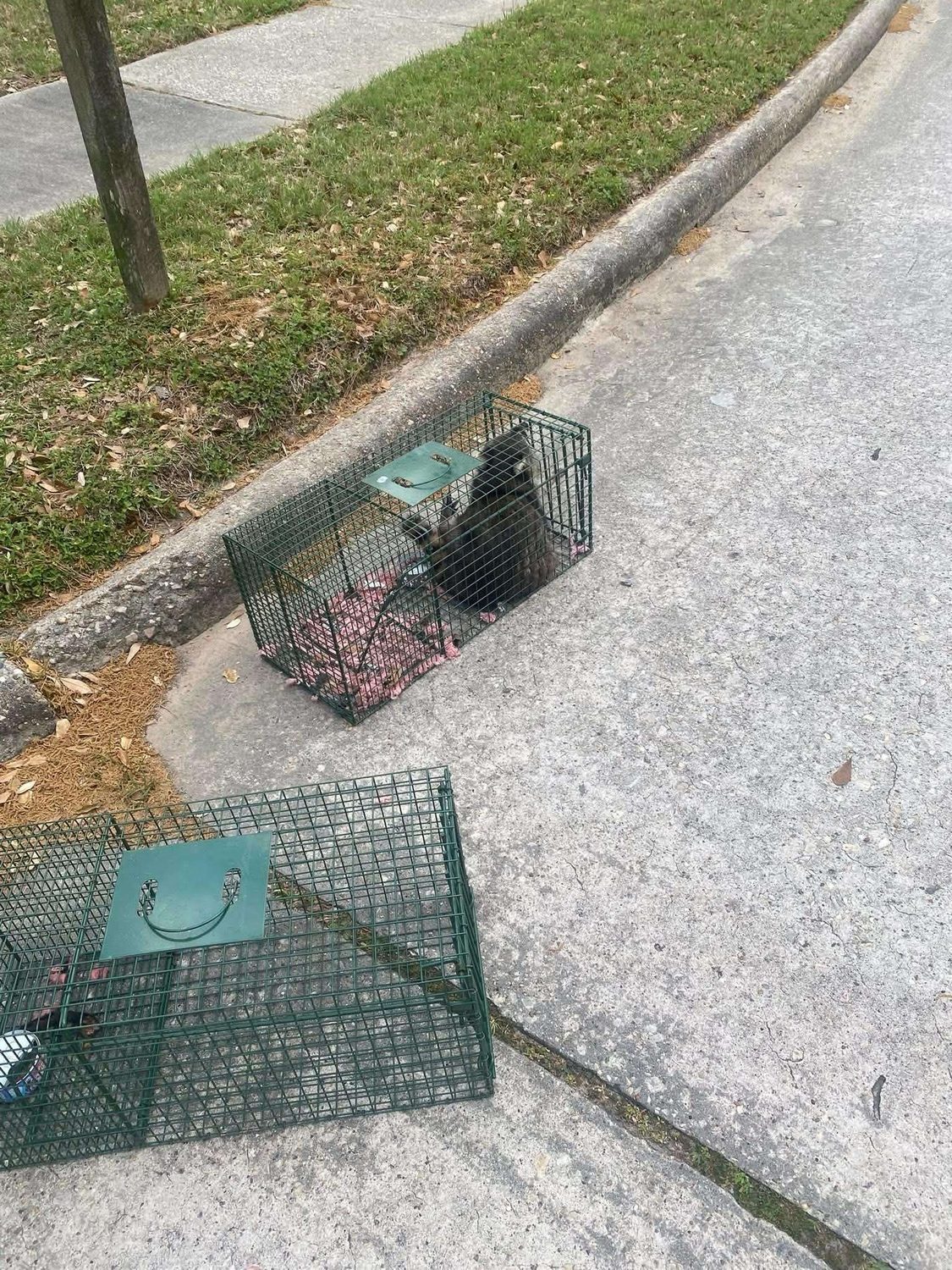
Raccoons: the job at a glance
| What it covers | Raccoons in attics, chimneys, crawl areas, under decks and in outbuildings at homes and businesses in Harris and Montgomery counties |
|---|---|
| Included | Inspection for den, entry and young; removal; reinforcing and sealing entry points; addressing contaminated areas; attractant advice |
| Not included | Rebuilding damaged ductwork, rewiring, or full insulation replacement; those are quoted separately |
| How long it takes | Depends on whether young are present and how much of the roofline needs reinforcing; the inspection sets the schedule |
| Best timing | Before late winter if you can; Texas A&M says kits are usually born in February or March |
| What it costs | Free inspection, then a written price; the entry damage, roof access and cleanup inside the attic set it |
What a raccoon is doing on your roof
Raccoons did not have to adapt much to north Houston. Big trees, creeks and drainage ditches, pet food on back porches and trash cans in every driveway give them most of what they want. Texas A&M AgriLife’s leaflet on controlling raccoon damage says that in urban communities the most common den sites are attics and chimneys, or under houses and woodpiles, and that in town the damage occurs mainly to attics and roofs.
That matches what we see around Spring, The Woodlands and Kingwood. The classic call is heavy thumping overhead after dark, a torn soffit panel or a roof vent lifted off its flange, and sometimes chirring or whimpering in the weeks after.
The timing matters. The same AgriLife leaflet lists one litter per year, usually born in February or March, with three to five young. A raccoon that moves into an attic in January is very often a pregnant female looking for a nursery. By April there may be a family of five living over the bedroom.
Telling a raccoon from the other attic animals
People often guess wrong about what is overhead, and the guess changes the plan.
- Raccoon. Ten to thirty pounds, gray-brown with the black mask and ringed tail. Loud, heavy movement at night. Entry is usually torn or pried open, not chewed. Droppings are large and tend to pile up in one spot.
- Squirrel. Light, quick scurrying in the morning and late afternoon. Entry is a neat chewed hole in a soffit corner or fascia. See squirrel removal.
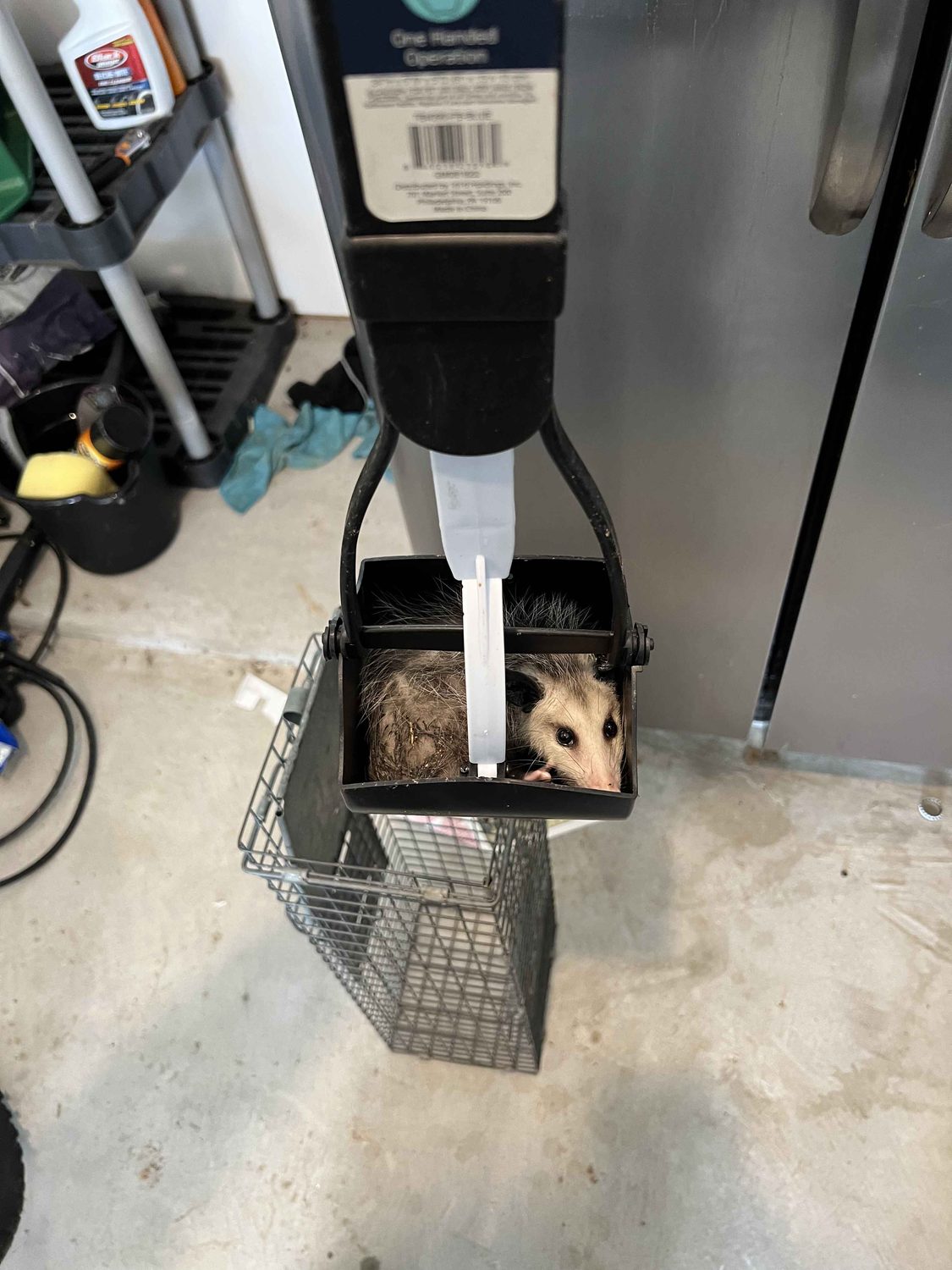
- Opossum. Slower, shuffling movement, more often under a house or deck than up in an attic. Long, bare tail and a white face. See opossum removal.
- Roof rat. Small, quick scratching at night with lots of pellet droppings. See rodent control.
The entry point is usually the giveaway. Raccoons have strong, hand-like front feet, and they open things up: lifted shingles, bent vent covers, a soffit panel pulled down, a gap at a dormer pried wider.
How we handle a raccoon job
This is the process the company describes for its raccoon work, starting with a free inspection and no long-term contract.
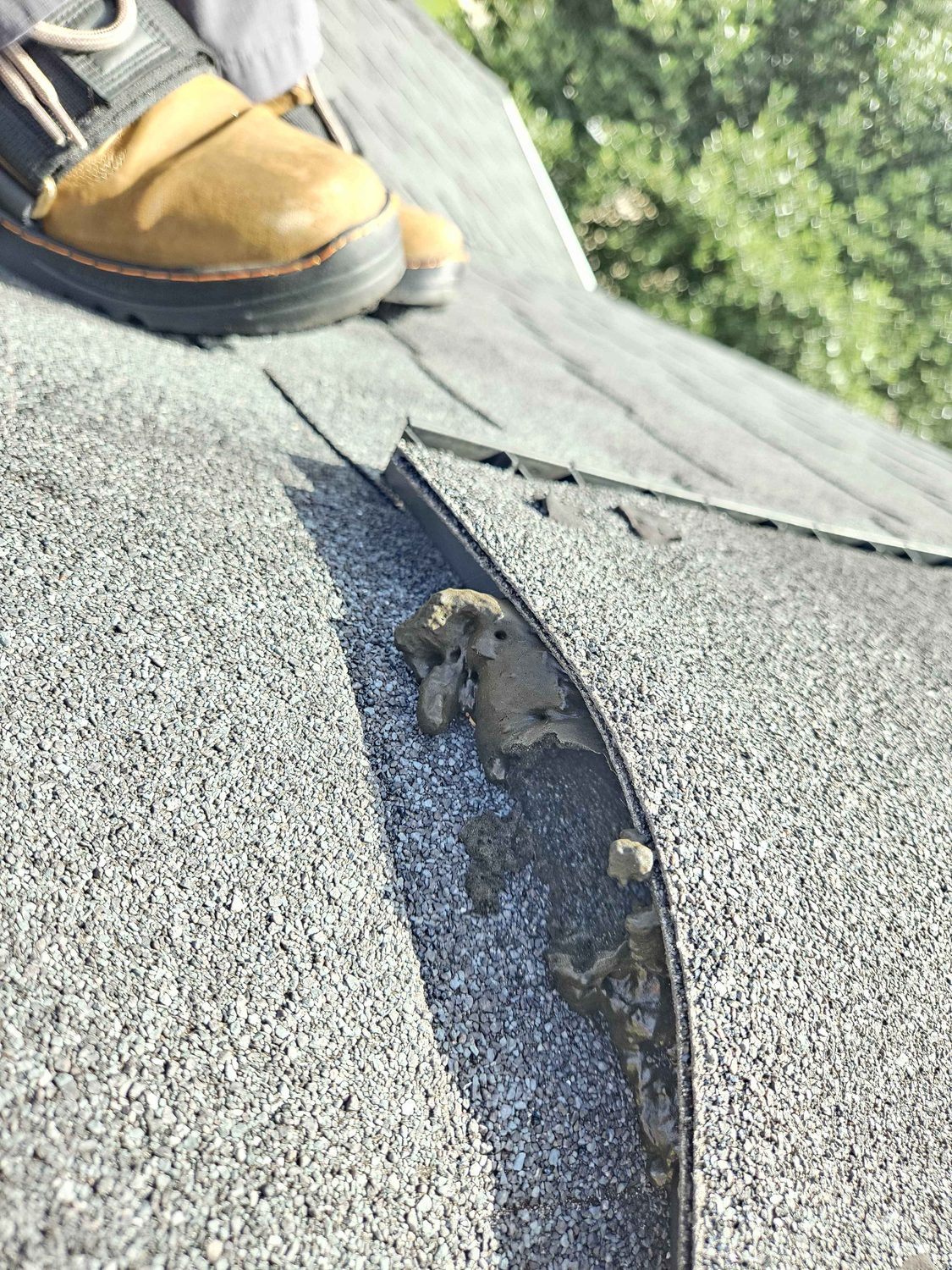
- Wildlife inspection. We find the active entry points, the den, any damaged areas and the weak spots that would let the next raccoon in. We look specifically for signs of young, because kits change how and when the removal is done.
- A plan for the property. The removal and exclusion plan is built around your roofline, the season and the wildlife regulations that apply.
- Removal. We remove the raccoon, and any young, from the structure. Raccoons we trap are relocated, within the Texas Parks and Wildlife rules on nuisance furbearers set out below.
- Exclusion and reinforcement. Entry points are sealed and the vulnerable roof and attic areas are reinforced with heavy-duty, raccoon-resistant material. Where it fits, wildlife-proof barriers go over vents, chimney tops and the openings under a deck or porch.
- Cleanup and prevention. We address the contaminated areas and damage where needed, and walk you through the attractants around the yard that brought the animal in.
Larger structural repairs are scoped under exclusion and repairs. Insulation that has been flattened and soaked is often better replaced than cleaned; that is covered under attic insulation.
Where raccoons get in on local houses
Raccoons pick openings they can grip and pull. On the homes we inspect around north Houston, the same few spots account for most entries:
- Roof vents and turbine bases. A box vent or turbine sits on a flange nailed through the shingles. A raccoon can work a corner up and fold the flashing back.
- Soffit returns and dormer gaps. Where a soffit panel ends against a wall or where a dormer meets the main roof, the panel is often held by a single strip of trim.
- Chimney tops. An uncapped flue or a chase with a loose crown cap is a ready-made den. A mother in a chimney is common in late winter.
- Attic fan and gable openings. Thin aluminum louvers bend easily.
- Under decks, porches and the AC pad. Raccoons use these as daytime rest spots even when they are not denning in the house.
The repair has to be stronger than what was there. A raccoon that has already torn into a soffit will test the patch, so reinforcement means heavier gauge material fastened into framing, not a new piece of vinyl snapped into the old track.
When there are kits in the attic
Most raccoon calls from February through early summer involve young. That changes the job in three ways.
First, the mother is far more protective and will not leave the den for long. Second, kits are often tucked deep in insulation, in a wall top plate or at the far eave, away from the entry. Third, sealing the entry while kits are inside almost always means the mother tears a new hole to reach them, usually somewhere more expensive.
That is why the inspection looks for nursing signs and listens for kits before anything is closed. Removal accounts for the whole family, and the entry is sealed only once the attic is confirmed empty.
The rules on raccoons in Texas
Raccoons are not a free-for-all. Texas Parks and Wildlife lists them among the fur-bearing animals on its page of protected wildlife species, with a license or permit needed to take, trap, possess or sell one. TPWD’s rules on nuisance fur-bearing animals add two points homeowners should know:
- Relocating a nuisance fur-bearing animal requires authorization from the department and permission from the owner of the release site.
- Transporting or selling a live raccoon within, to or from the state is a Class C misdemeanor, a rule tied to rabies control.
In plain terms, catching a raccoon in a backyard trap and letting it go at a park across town is not legal in Texas. It also tends to fail: the den stays open, and the next raccoon in the neighborhood finds it within weeks.
Who handles raccoon removal in Houston?
In most cases a private, licensed company does, not the city. Houston’s animal agency, BARC, says it does not take service requests for common wild animals outside a home’s living areas and tells residents to call a licensed pest control company when animals are in garages or attics. It steps in for possible rabies exposures.
BARC’s page on wild animals on private property lists the cases it will respond to: a possible rabies exposure, a wild animal inside a living room or bedroom, and an animal sitting in a humane trap that is high-risk for rabies, with raccoons named alongside skunks, foxes and coyotes. Its general wild animals page puts raccoons among the five species of special rabies concern and warns they can turn highly aggressive when cornered. If a raccoon has bitten or scratched anyone, that is the city’s call first and ours second.
The same BARC page is skeptical of trapping. It says trapping and relocating has not proven to be an effective method of control, because another animal often moves into the empty den and the relocated one has a very poor chance of surviving somewhere new. Opinions on relocation differ among wildlife agencies and professionals. We do relocate the raccoons we trap, within TPWD rules, and we deal with BARC’s first concern directly: once the animals are out, the den is sealed and reinforced so the food, water and shelter that drew them in are gone, the approach BARC itself prefers.
TPWD’s nuisance rules add the state’s side: landowners and their agents may take nuisance fur-bearing animals on the landowner’s property without a hunting or trapping license, but the animals may not be kept. BARC is a City of Houston agency, so its policy speaks to homes inside city limits. For more on the animal itself, see our raccoon profile, and for how Texas wildlife law fits together, the guide to bats, birds and wildlife law in Texas.
A raccoon in the chimney
Chimneys get their own mention because they fool people. A raccoon den on the smoke shelf or at the base of a chase sounds like it is inside the wall, and the first instinct is to light a fire or shove something up the flue. Neither is a good idea: smoke can trap or kill kits, and a cornered mother in a firebox can come out into the house. Keep the damper closed and the fireplace screen shut, and leave the animal for the removal. Afterward, a sturdy, fastened chimney cap is the exclusion, and it also keeps out birds and squirrels.
Signs, and what each one means
- Heavy thumps and rolling sounds at night. An adult moving around the attic. Steady, repeated noise in the same corner points to a den.
- Chirring, mewing or whimpering. Kits. Do not seal anything until the young are accounted for.
- A torn or lifted soffit, vent or shingle edge. The active entry. Muddy paw prints on siding or a downspout below it are common.
- A pile of large droppings in one spot. A latrine, on a flat roof, in the attic, on a deck or at the base of a tree. Treat it with care; see the health section below.
- Raided trash and pet food bowls. Food is what keeps a raccoon on the property.
- Torn insulation and duct wrap. A raccoon that has been in the attic for a while, often nesting in a corner near the entry.
What waiting costs, and the health side
The AgriLife leaflet lists the parasites and diseases that affect raccoons, including fleas, ticks, roundworms, distemper, mange and rabies. Two of these deserve real attention.
Rabies. Texas DSHS’s annual report, Rabies in Animals, Texas – 2024, notes that Texas law defines raccoons as a high-risk animal for rabies, alongside bats, skunks, foxes and coyotes. The report counted 11 rabid raccoons statewide that year, far fewer than bats, but the risk is the reason no one should handle a raccoon bare-handed.
Raccoon roundworm. The CDC’s page on Baylisascaris explains that people are infected by swallowing the eggs, that most infections are in young children, and that eggs in raccoon feces take two to four weeks to become infectious. That is the reason a latrine should be dealt with promptly. The CDC advises removing the feces carefully and burning, burying or bagging them for the landfill.
The structural cost climbs month by month. A den corner of soaked insulation turns into a stained ceiling, ductwork torn open lets attic air into the house, and an entry hole left open through a summer storm lets water into the roof deck.
After the job
For the first few weeks after a raccoon exclusion, a quick look at the roofline from the ground every few days is worth the effort. Signs of a second raccoon testing the house are fresh scratch marks around the repaired area, shingle granules on the driveway, or muddy prints on a downspout. Most of the time nothing happens, especially once the food sources in the yard are dealt with. If something does, call us rather than climbing up to look.
Homes and commercial properties
On a house, the work is usually one den, one or two entry points, and a roofline to reinforce. Commercial properties bring different problems: restaurant dumpsters that feed raccoons every night, flat roofs with unscreened equipment curbs, and outbuildings or storage containers that no one checks. Apartment communities see raccoons using the gaps under stairwells and in breezeway ceilings. For businesses, the work is set up through our commercial program.
Prevention you can do yourself
AgriLife boils raccoon prevention down to four rules: remove the food, remove the water, change the habitat, and trap responsibly. Around a north Houston home, the first three look like this:
- Feed pets in the morning and pick up whatever is left. Bring water bowls in at night.
- Use trash cans with tight or locking lids, and keep them in the garage until pickup morning.
- Take bird feeders in at night, or mount them on tall poles away from trees.
- Pick up fallen fruit and pecans.
- Screen the chimney top and the attic and foundation vents.
- Trim limbs that hang over the roof, and look at the roofline after storms for loose soffit or flashing.
Where people go next
If what you have turns out to be smaller and chews its way in, start with squirrel removal or rodent control. For animals living under a deck or porch, see opossum removal. Raccoon jobs are backed by our 100% Service Guarantee; the guarantee page spells out what it covers. We work raccoon calls from The Woodlands and Magnolia to Kingwood and Atascocita. To set up the free inspection, get in touch.
Frequently asked questions
Is it dangerous to have a raccoon in the attic?
It can be. Texas law treats raccoons as a high-risk animal for rabies, and their droppings can carry raccoon roundworm. A mother defending kits will also stand her ground. Keep children and pets out of the attic and do not try to corner the animal.
Can I trap the raccoon and drive it out to the country?
Texas Parks and Wildlife says it is a Class C misdemeanor to transport live raccoons within the state, and relocating a nuisance furbearer needs department authorization. Moving a raccoon yourself can also leave hungry kits behind in the wall.
Why do raccoons keep coming back to my roof?
Something on the property is feeding them, and the roofline has a weak spot they already know. Pet food left out, open trash, fallen fruit and a soft soffit corner make a reliable stop. Removal without fixing both usually means a repeat visit.
Do you clean up after the raccoon is gone?
Yes, we address the contaminated areas and damage the raccoon left where needed, as part of the job. If the insulation is soaked through, replacing it is quoted as separate attic insulation work so you can decide on it.
Will mothballs or a radio make the raccoon leave?
Texas A&M AgriLife states that no repellents, toxicants or fumigants are registered for raccoon control. Noise and smells sometimes move an animal for a night, but a mother with kits rarely abandons a good den over them.
Will the City of Houston come and remove a raccoon from my attic?
Generally not. BARC says it does not respond to common wild animals outside a home's living areas, and it directs residents with animals in attics or garages to a licensed pest control company. The city does step in when someone may have been exposed to rabies or a raccoon is loose in a bedroom or living room.
Our largest service areas
Guides
From the blog
Raccoon Removal & Exclusion in north Houston?
No long-term contracts, and service agreements are backed by our 100% Service Guarantee.
Because we are based in Spring, we can often come out the same or next day for urgent problems. Call before noon, Monday through Friday, for the best chance at next-day service.
Last updated