
Pest Exclusion and Repairs in Spring and North Houston
Exclusion is the work of finding every opening a rodent, animal or insect uses to get into a building and closing it with material that holds up. We check the roofline, attic, slab edge, vents, doors and utility lines, show you what we found, then seal and repair those openings so treatment is not the only defense.
Call 281-627-4810 Request a free inspection
Year-round protection plans from $70 Core · Premium · Legendary See the plans
Exclusion: the job at a glance
| What it covers | Entry points used by rats, mice, squirrels, raccoons, opossums and insects on homes and commercial buildings |
|---|---|
| Included | Finding the openings, sealing gaps at pipes and HVAC lines, re-screening vents, bird blocking, crawl space doors and well covers |
| Not included | Repairs the written quote does not list, and repair of damage pests did to the structure or its contents |
| How long it takes | Set by the number of openings and how high they are; a few slab-level gaps differ from a full roofline |
| Best timing | Once animals are out of the space, and before fall, when rodents and wildlife press hardest to get indoors |
| What it costs | Free visit to scope the work, then a written price before any sealing or repair starts |
Why exclusion comes first
Every rodent, squirrel or raccoon inside a house got there through an opening. Treat the animals and leave the opening, and you have reset the clock rather than solved anything. That is the logic of integrated pest management as the EPA lays it out: prevention is a step of its own, done before reaching for a product, and the most targeted control is preferred over the broad one. Sealing a gap is about as targeted as pest work gets.
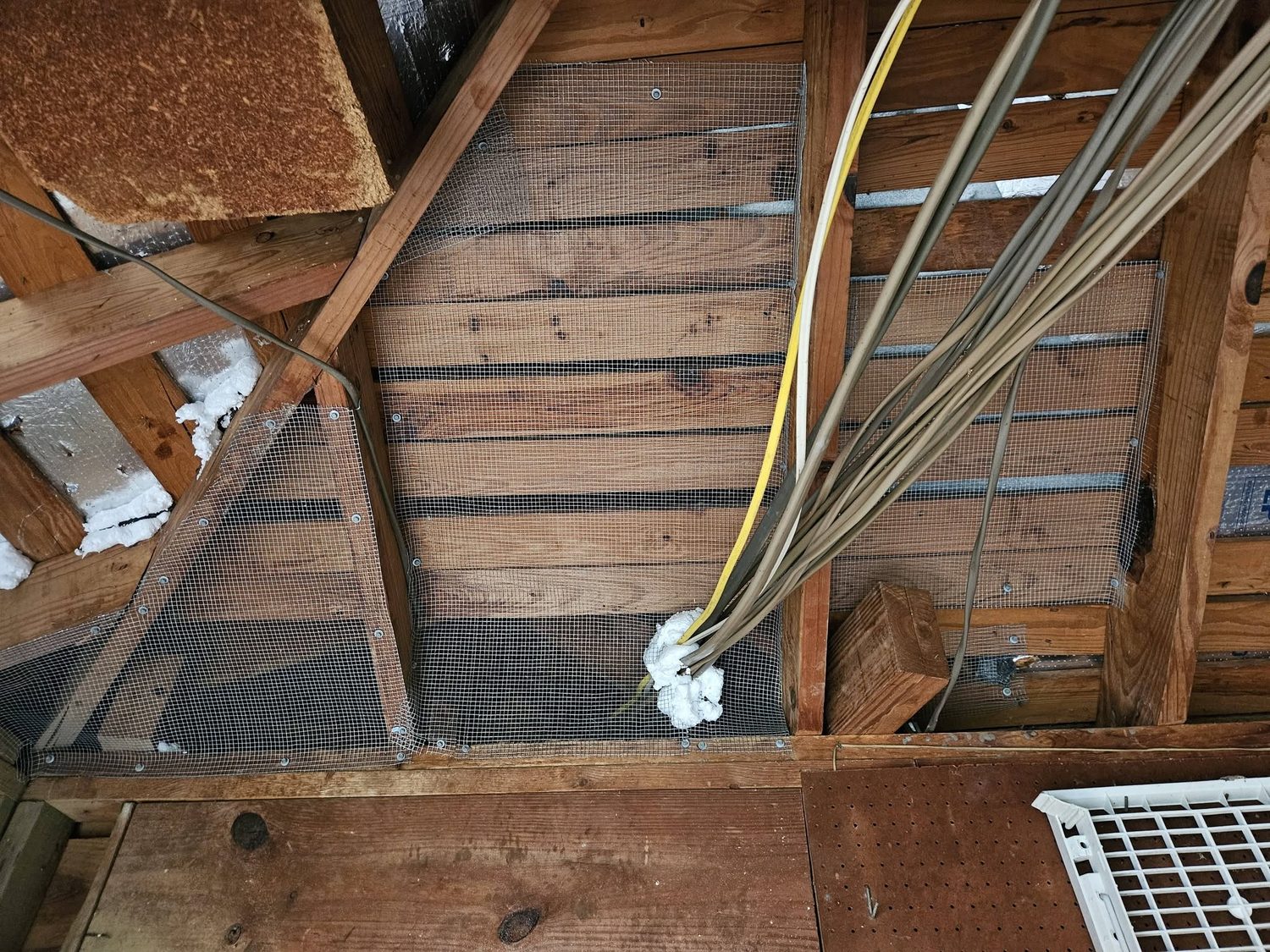
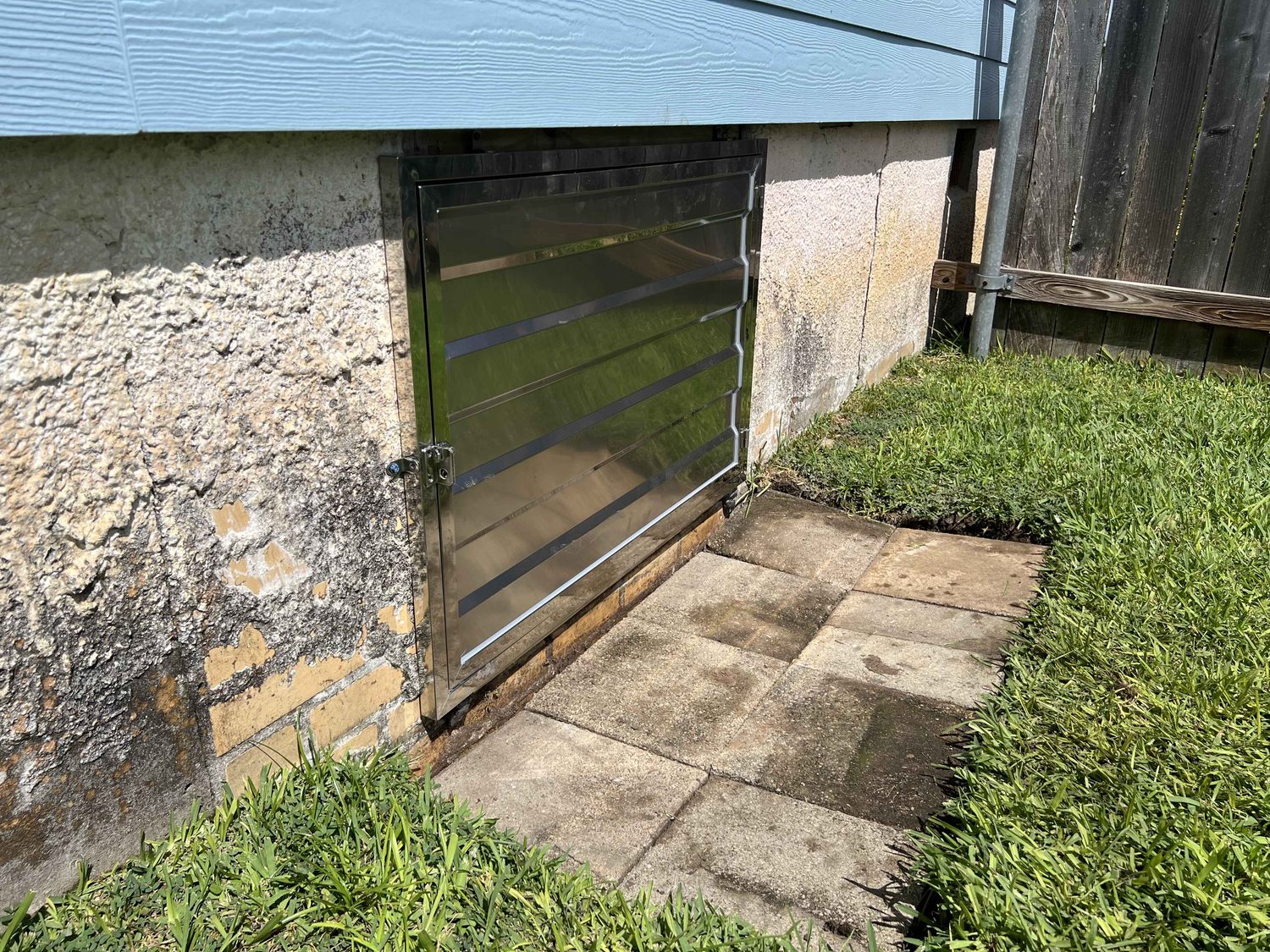
This service starts in the same place. The technician goes through the interior, the exterior, the attic and any crawl space looking for the ways in, then closes them: crawl space covers, doors and access wells, punctured vent screens and bird blocking, gaps around pipes and HVAC lines, and evidence that something has been tunneling or chewing into the structure.
How north Houston houses open up over time
Nobody builds a house with holes in it. They appear, and the Houston climate speeds that along.
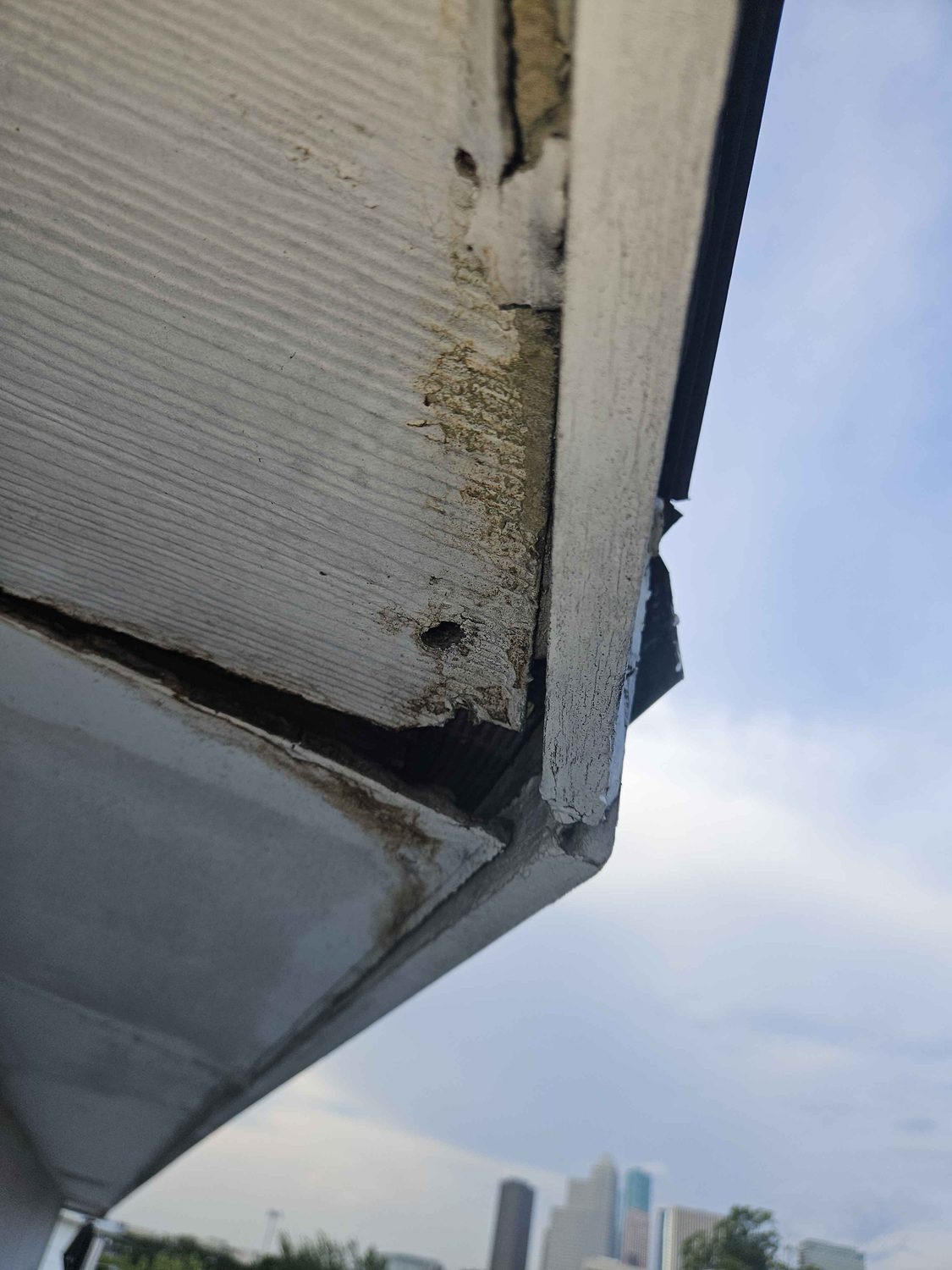
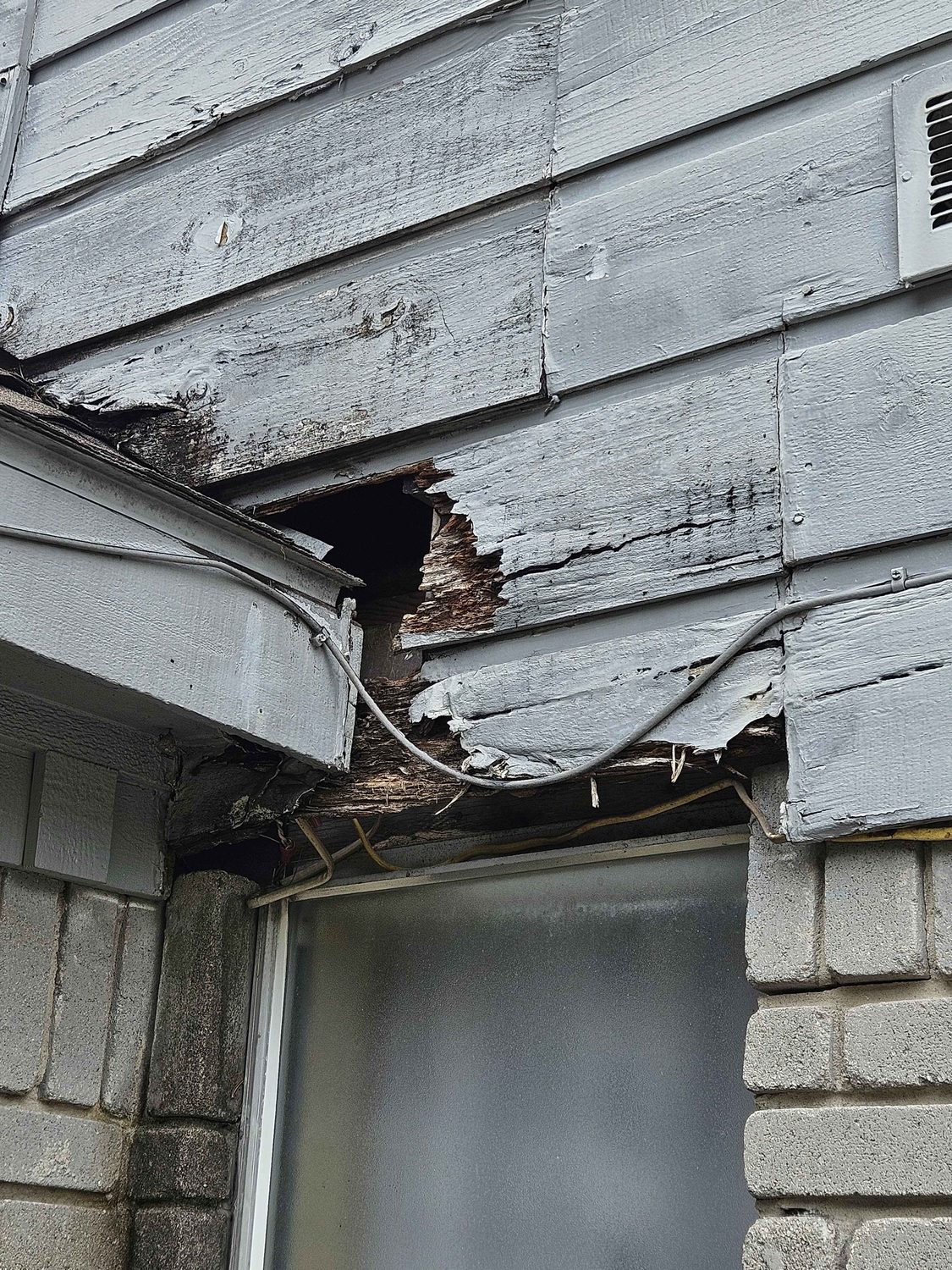
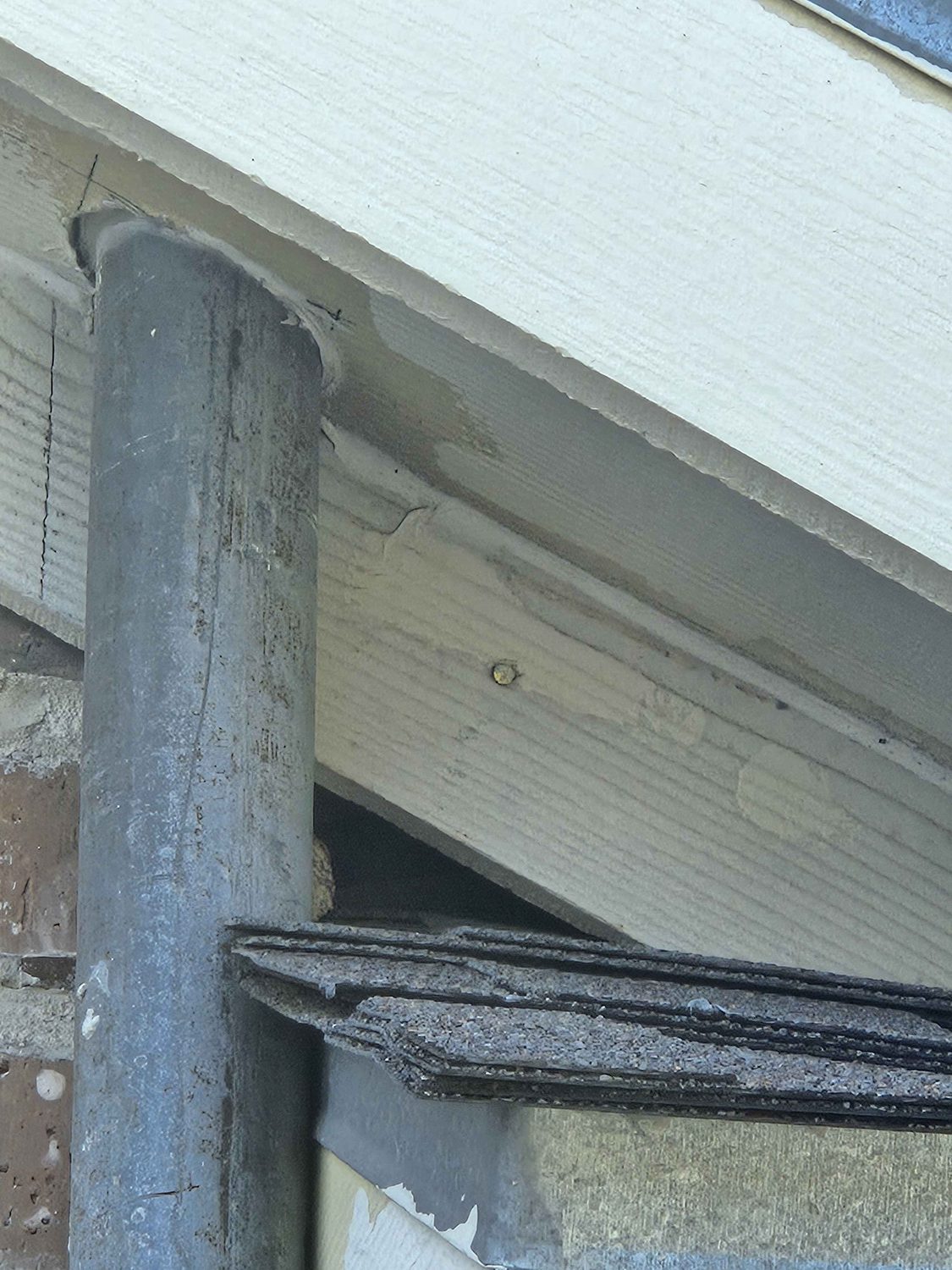
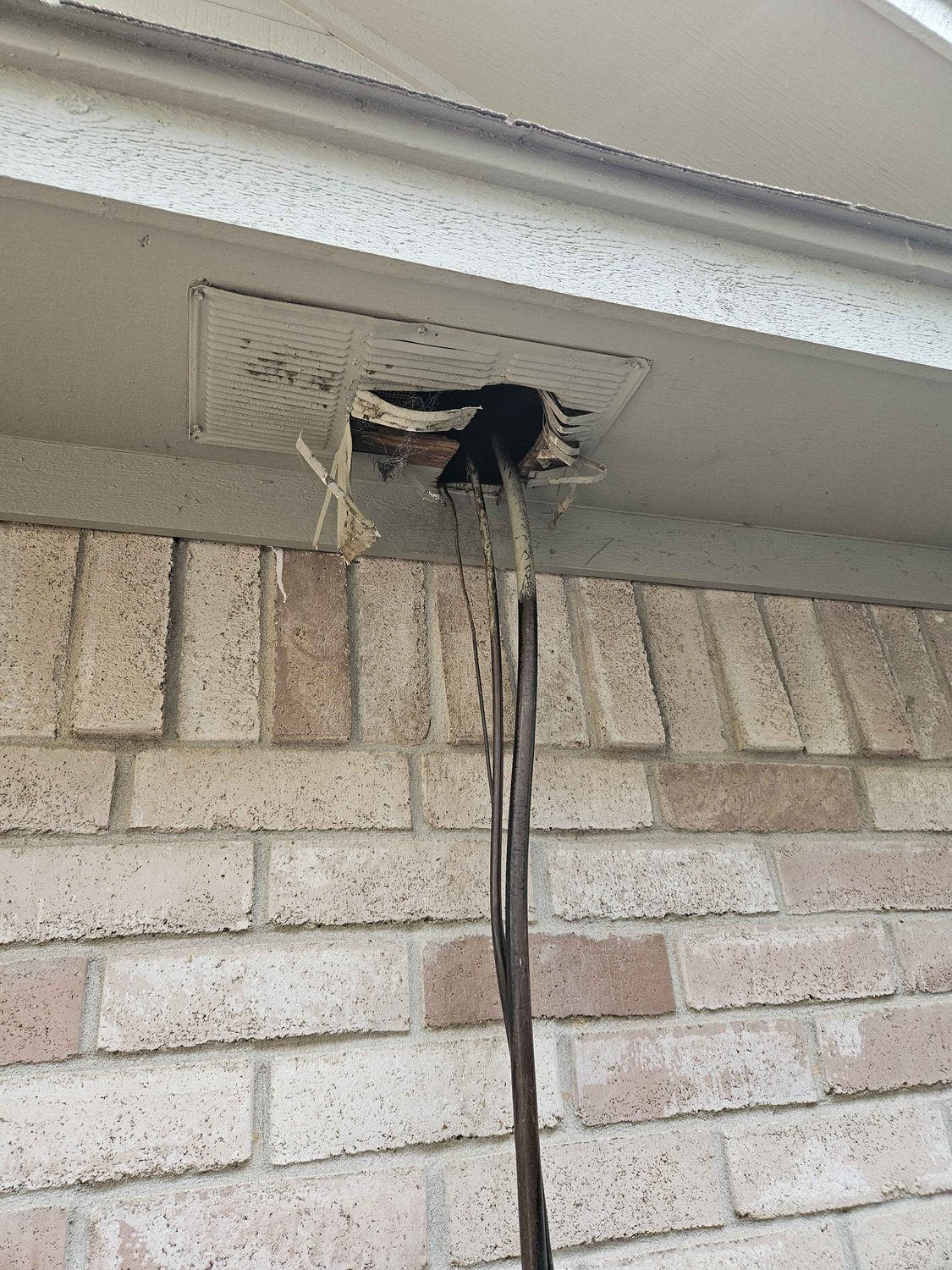
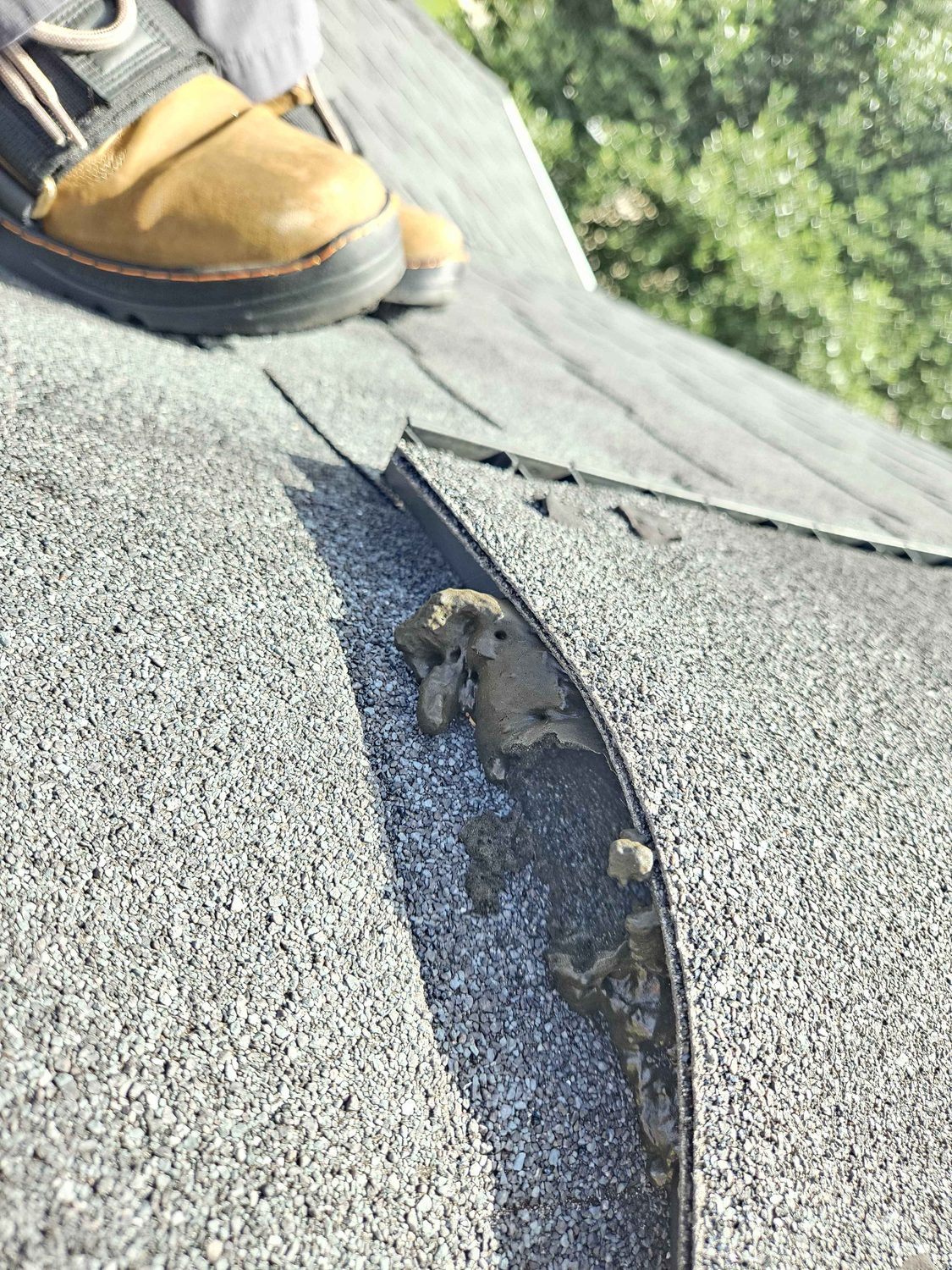
The roofline. Heat and humidity work on fascia, soffit and trim year after year. Wood swells, paint fails, joints open, and a soffit panel that was tight at closing sags enough to leave a slot. Roof rats and squirrels find these first because they travel by tree limbs and fence lines and arrive at roof level.
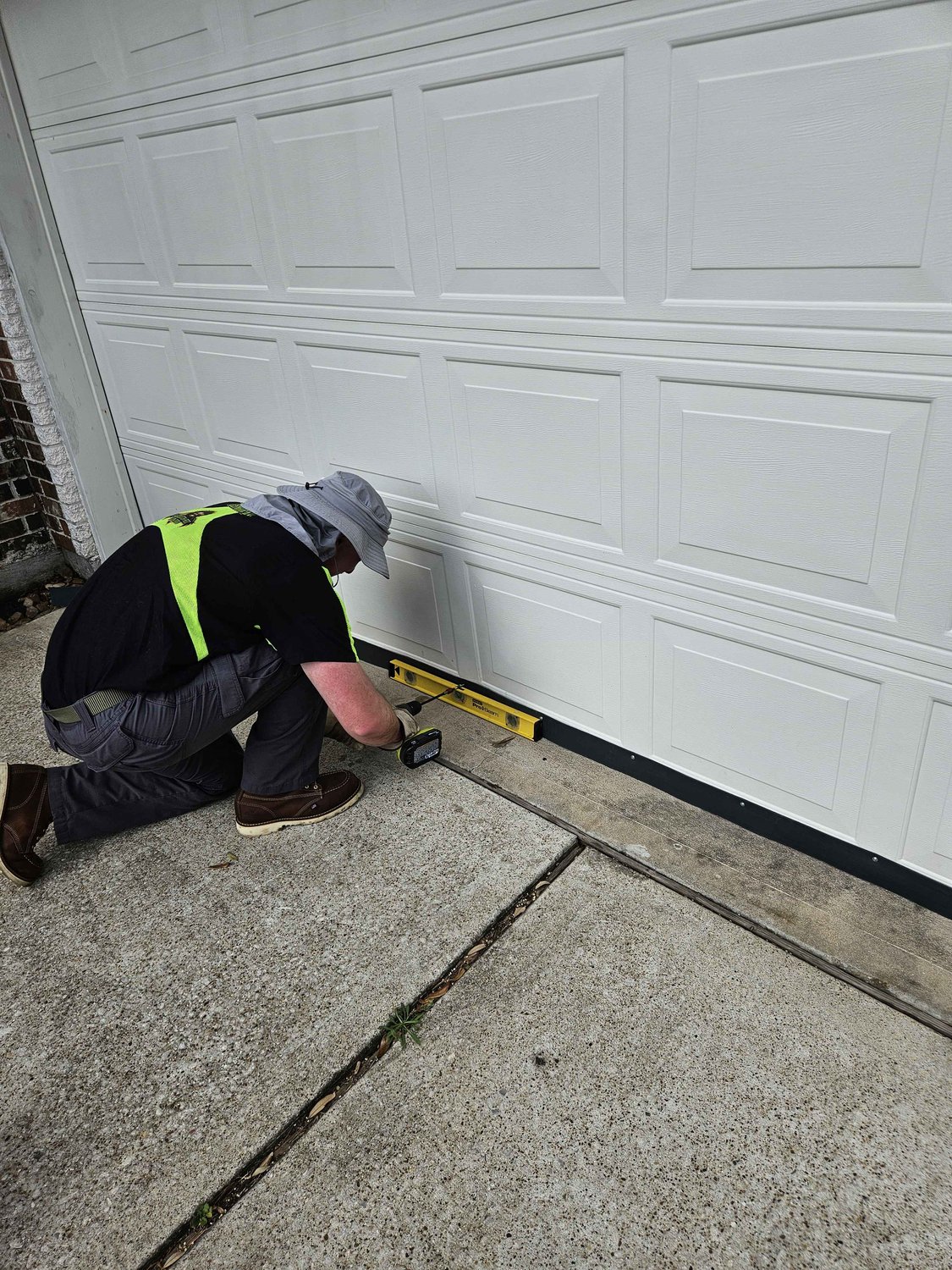
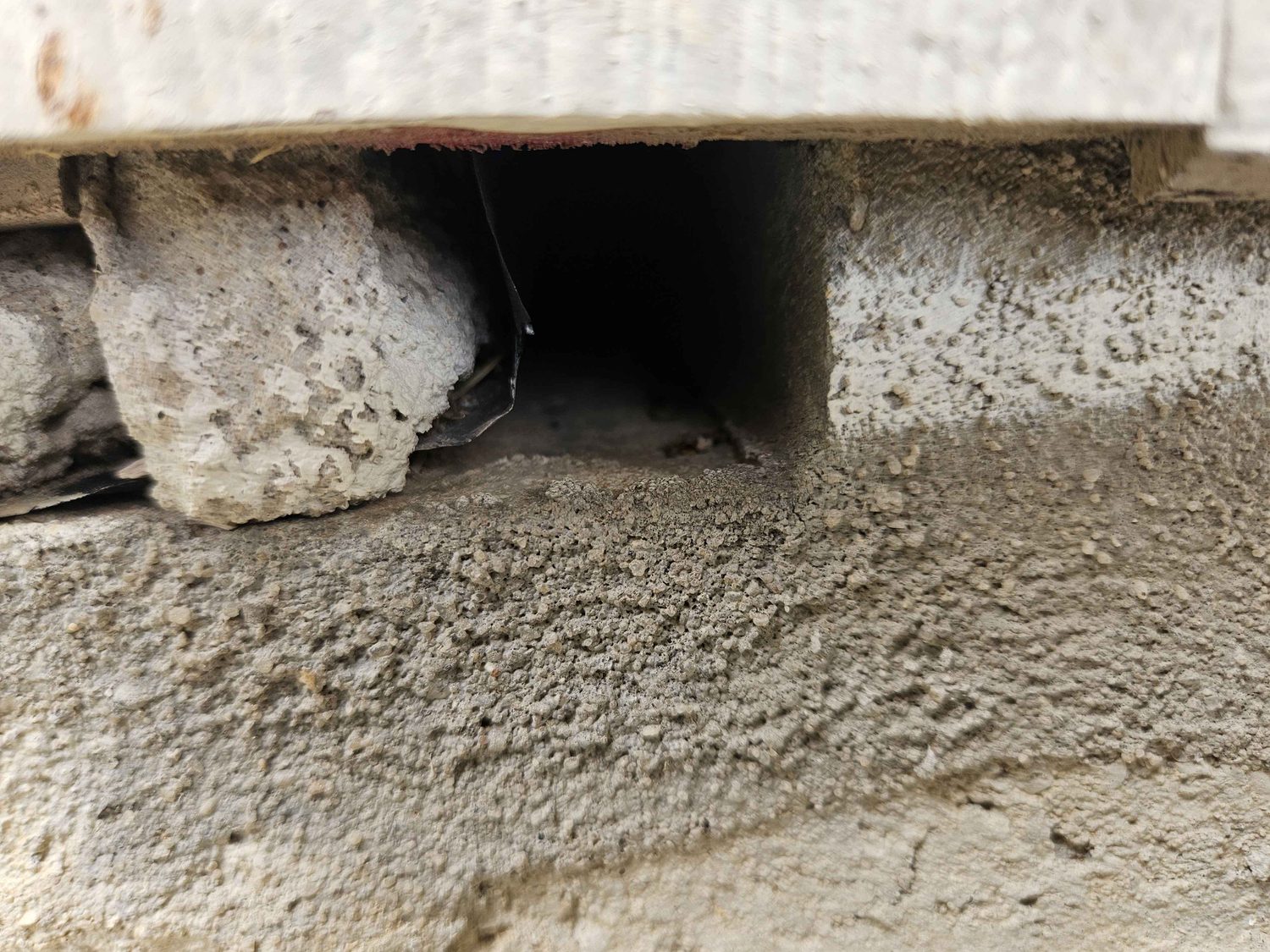
The slab edge and garage. Slab homes do not have crawl spaces, but they have weep holes, gaps where the brick ledge meets the slab, and the bottom seal of a garage door. Garage door seals wear out and flatten, and the corners of the opening often leave a gap even when the center touches the slab.
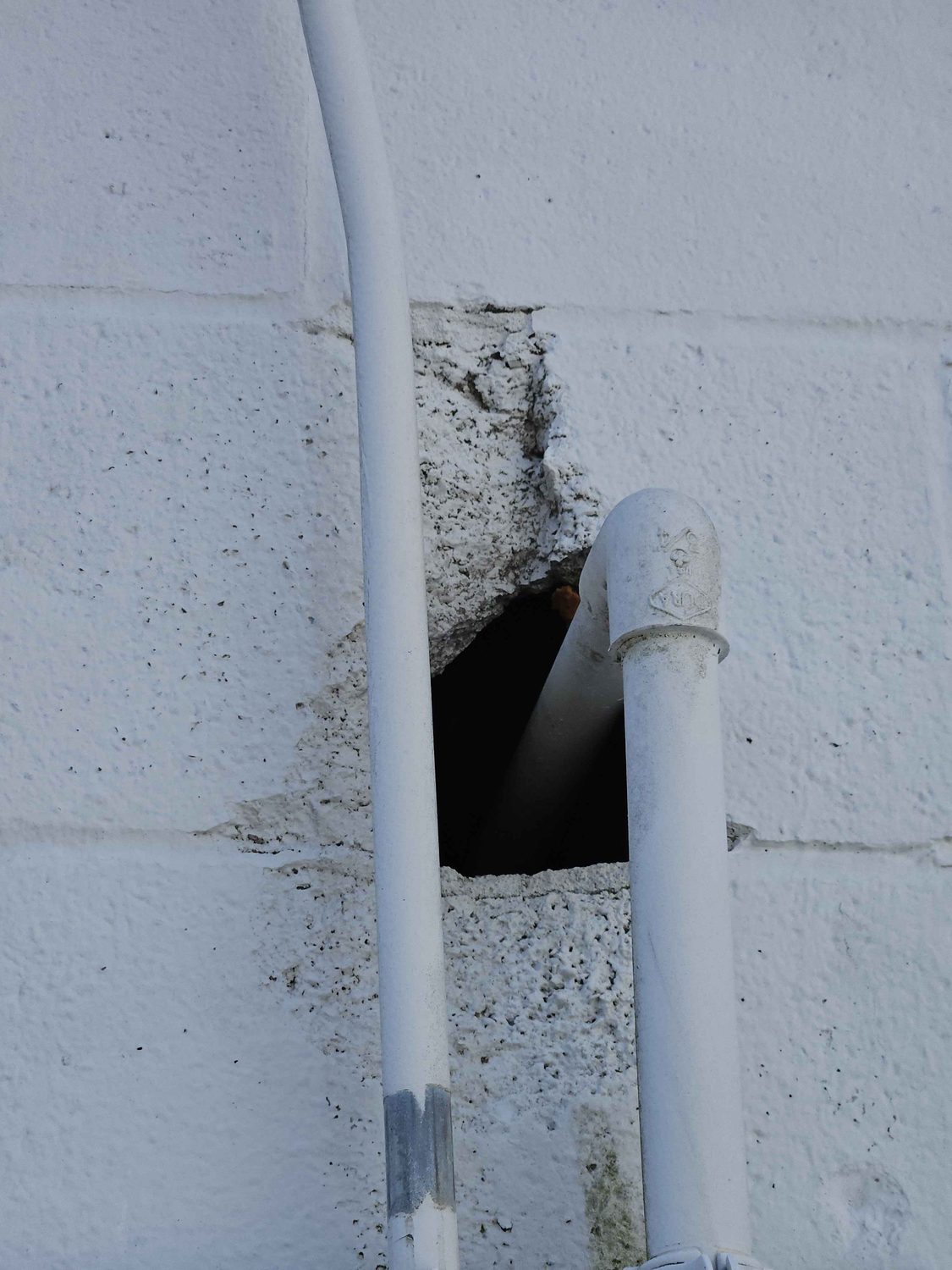
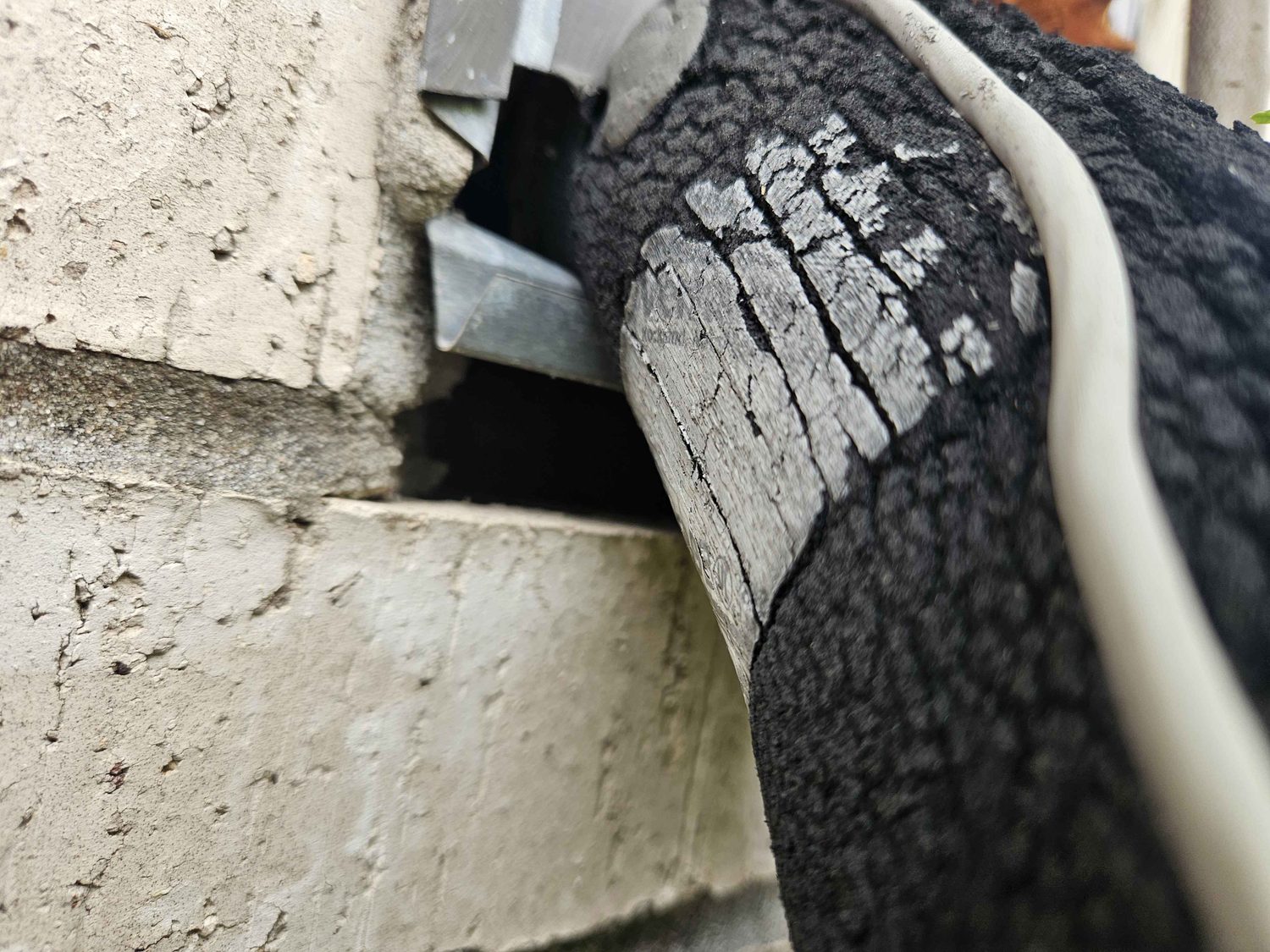
Utility penetrations. Every line coming into the house, from the AC refrigerant set to the gas line, the cable, the hose bib and the dryer vent, is a hole in the wall with something passing through it. The original sealant ages, shrinks and cracks, and it is often skipped entirely where a later contractor added a line.
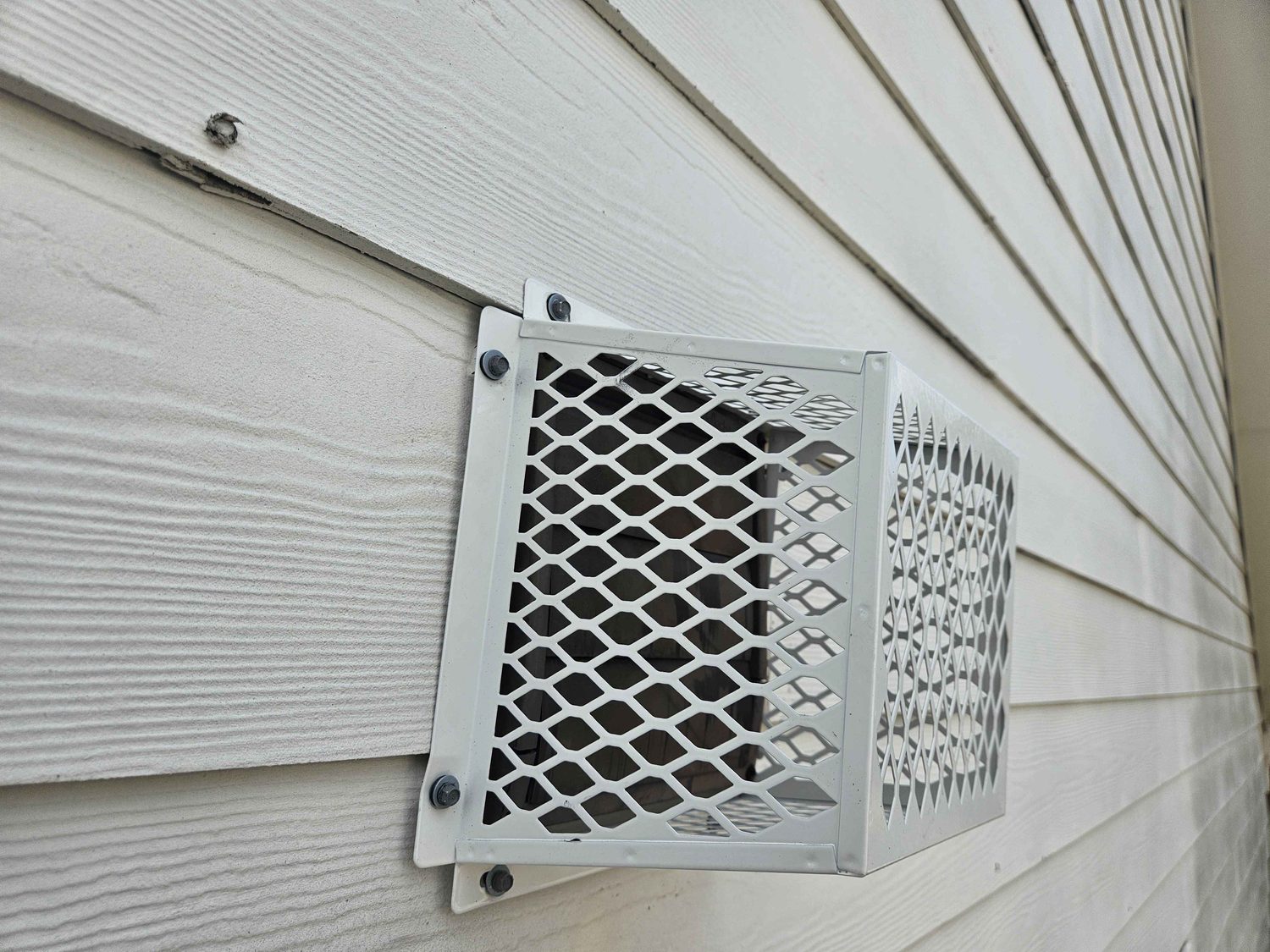
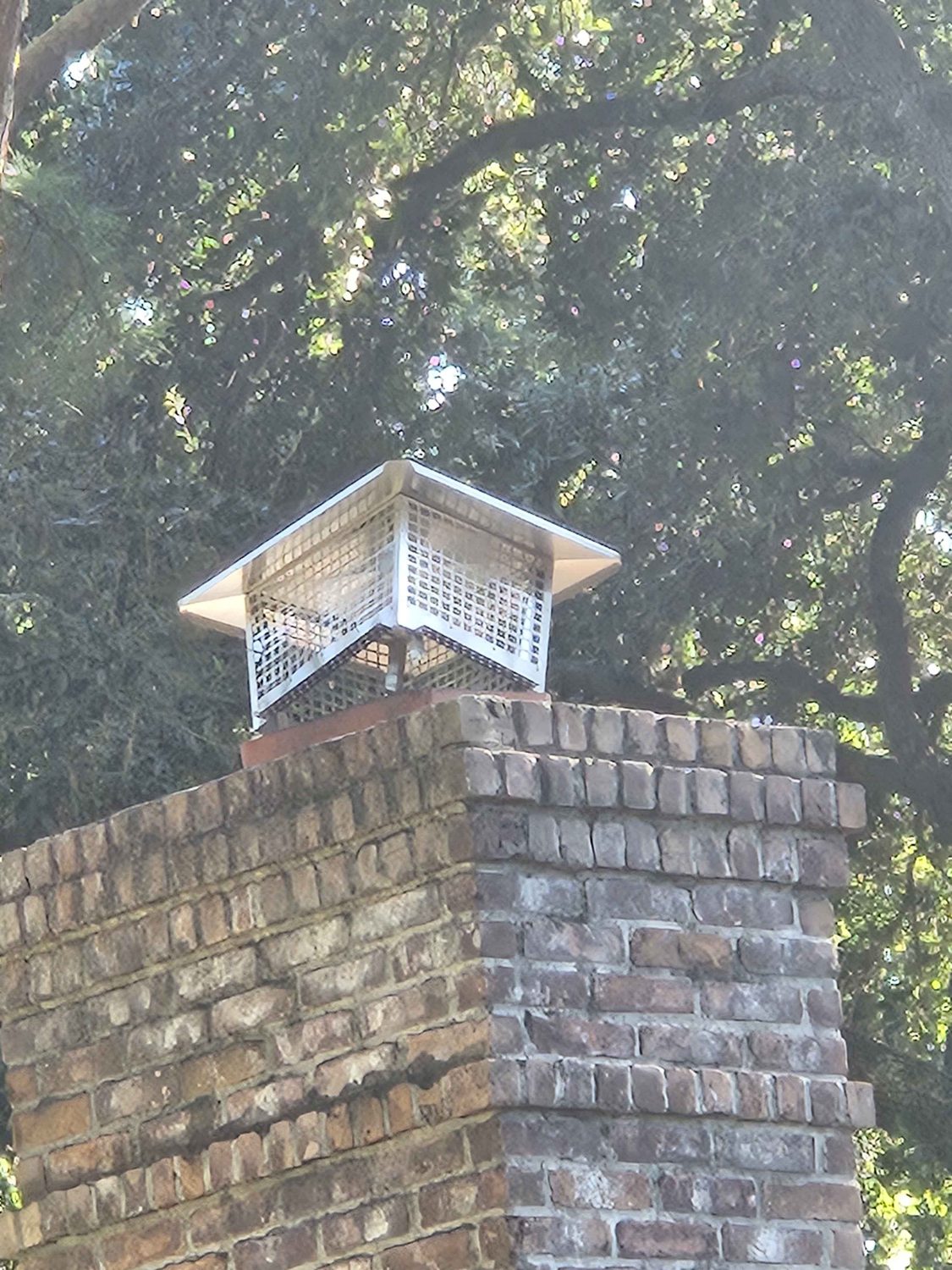
Vents. Gable vents, foundation vents on pier-and-beam homes, and attic exhaust vents rely on screens. Screens rust, get pushed in by animals, or tear during storms.
Storm damage. After high winds or heavy rain, it is common to find a lifted shingle edge, a loosened ridge vent or a section of soffit that pulled away. Animals do not wait for the roofer.
Texas A&M AgriLife Extension expects the push indoors to get stronger as the weather cools. In an AgriLife Today article on cold-weather invaders, program specialist Janet Hurley warns that squirrels and raccoons will try to nest in attics and that several ant species nest in the walls of homes, and Travis County entomologist Wizzie Brown expects cockroaches, spiders and scorpions to move indoors as temperatures drop.
What you are actually looking at
Most people find an exclusion problem by its symptoms rather than by spotting the hole.
- Scratching overhead at night. Usually rats, often roof rats, using a roofline gap. Daytime activity in the attic leans more toward squirrels.
- Droppings along the garage wall. Mice or rats coming in under or beside the garage door.
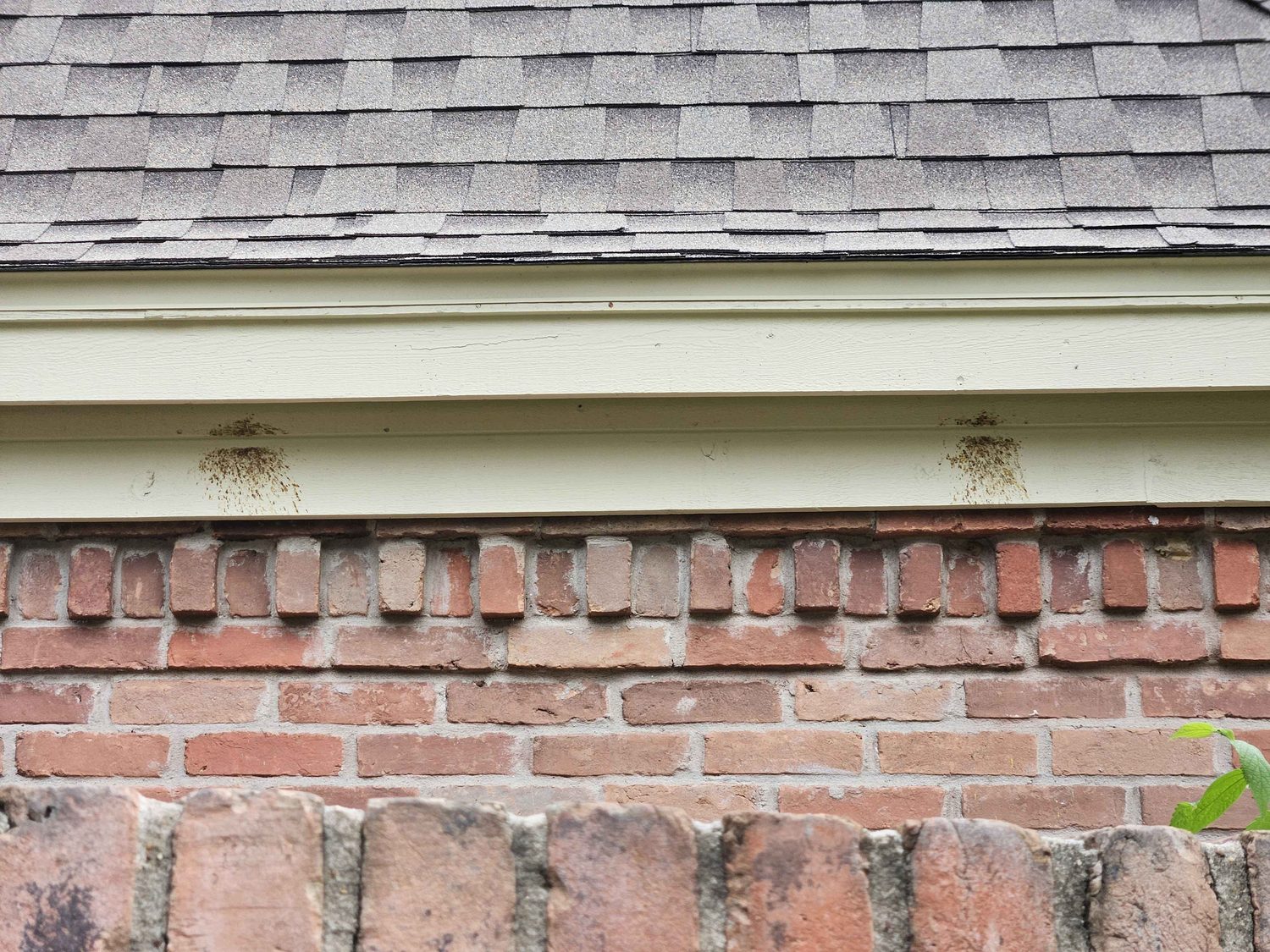
- Grease marks. Dark, smudged rub marks at the edge of an opening are body oil from rodents that use it regularly.
- Chewed vent screen or bird blocking. Something has been working on that opening, and it will come back to it.
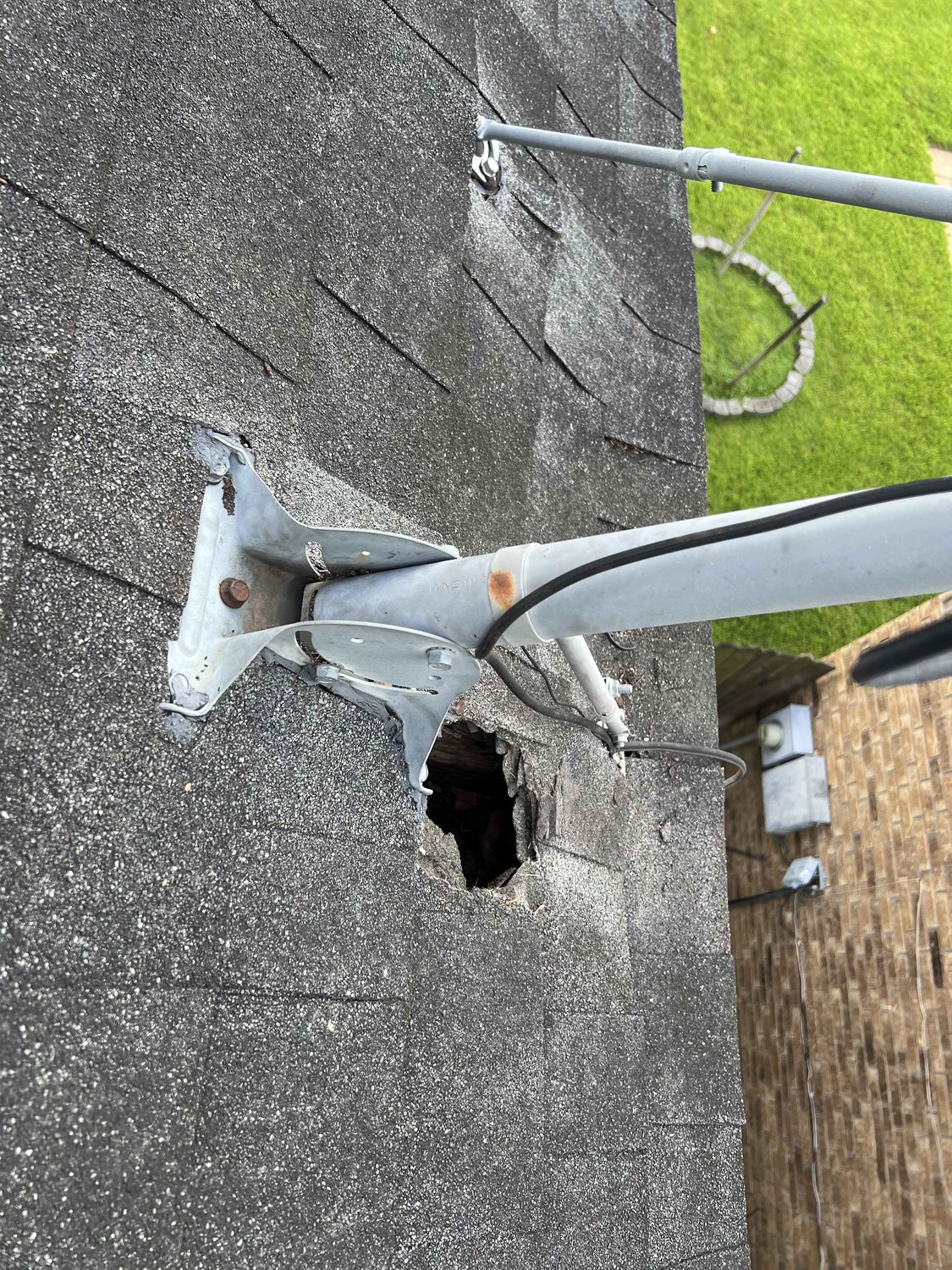
- Torn soffit, bent vent or a ragged hole at a roof return. Squirrels and raccoons pry and chew openings wider than they found them.
- Insects collecting at one window or door. A missing sweep or failed weatherstrip is letting outside air, and bugs, in.
The size of the gap is the key detail. Texas A&M AgriLife Extension’s rodent IPM training notes that a mouse needs only a hole the size of a dime, or a quarter-inch crack beneath a door, while a rat needs a hole about the size of a quarter, or a half-inch crack. Those numbers are why we test openings with a tape rather than by eye.
How we handle exclusion and repairs
- A free look at the whole structure. Interior, exterior, attic, garage, and the crawl space where a house has one. We note each opening, what is using it and what it is made of, and photograph the ones you cannot easily see yourself.
- Make sure nothing is shut in. If an opening is in active use, the animal has to be out before it is sealed. For rodents that usually means pairing exclusion with rodent control; for squirrels, raccoons, opossums and bats it is handled through their own services.
- A written scope. Repairs are different on every house. The quote lists each opening and the repair for it, and the price is set before work starts.
- Seal with material that matches the threat. Sealant and foam have their place, but a rat chews through foam. Gaps at pipes and conduits are packed and sealed; larger openings get metal, hardware cloth or mortar. Hurley’s advice in the AgriLife article runs the same way: steel wool or expanding foam for gaps of a quarter-inch or more, and concrete or an excluder fabric for bigger ones.
- Repair what the animals damaged at the opening. That means re-screening vents, replacing bird blocking, rebuilding or replacing crawl space doors and well access covers, and closing chewed holes. Where rodents are tunneling at a crawl space well, our method is to cement it so they cannot dig through.
- Check it. Exclusion work is only as good as the opening nobody found. Follow-up visits look for fresh rub marks, droppings and new chewing.
Materials, and why they matter
The material has to match what is trying to get through it. Here is how the common options compare:
- Sealant and expanding foam are fine for insect gaps and as a filler behind something tougher, but rats and squirrels chew through foam alone.
- Steel wool or copper mesh packed into a gap stops rodents at pipe and line penetrations, especially when sealed over so it stays put.
- Hardware cloth and metal flashing cover vents, soffit openings and larger holes where airflow has to continue.
- Mortar or concrete closes gaps at the slab and in crawl space wells, where rodents would otherwise dig.
- Sweeps, seals and brush strips close doors that have to keep opening and closing.
Whatever goes on the outside of a house in north Houston has to survive heat, ultraviolet light and driving rain, so we choose materials that will hold up there rather than just pass a first look.
Exclusion after a wildlife or rodent job
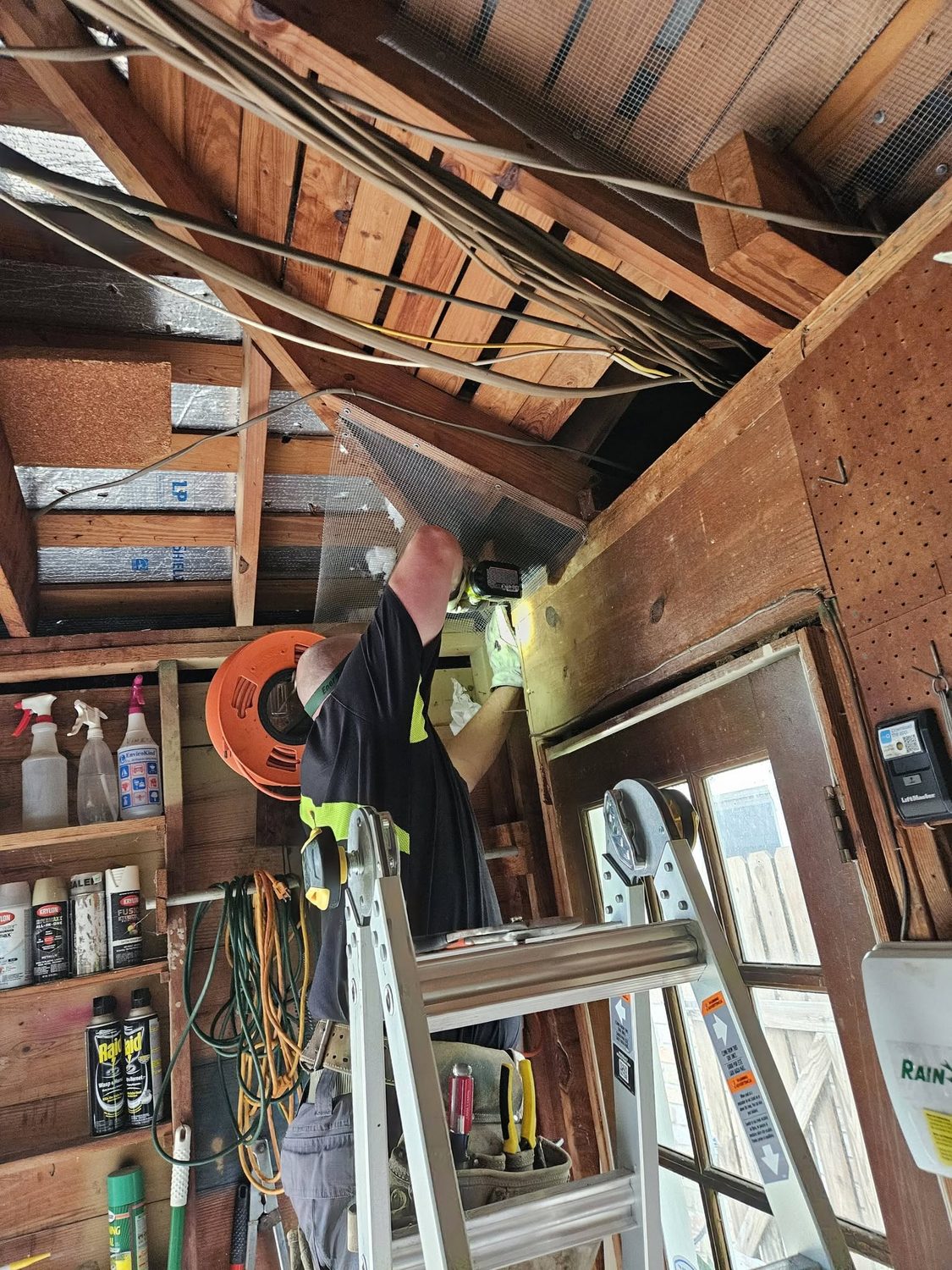
Most exclusion calls come right after something else: a squirrel in the attic, a raccoon through a roof return, rats in the garage. The order of work matters. The animals come out first, then the opening is closed, then the attic or garage is checked again to make sure nothing was left behind. Closing everything in one pass before the animals are out can trap them inside, and a trapped animal will chew a new way out, usually through something more expensive to fix. On a combined job, the exclusion is scoped on the same visit so the repairs follow as soon as the space is clear.
Signs your exclusion work is failing or incomplete
- New droppings after the job. Either an opening was missed or an animal was inside when it was closed.
- Chewing at the edge of a repair. The animal is testing the material, which usually means it was the right opening.
- Daylight at a garage door corner. The seal or the corner brushes need replacing.
- Insects at a light switch or outlet on an exterior wall. The wall cavity is open to the outside somewhere.
What waiting costs
A rodent in the attic is not a static problem. Rats and mice chew wiring, soil insulation and leave urine and droppings where the HVAC system pulls air. Squirrels and raccoons tear soffits and vents open wider, which then lets in rain as well as more animals. And every month the opening stays open, the scent trail to it gets stronger. Our 100% Service Guarantee is explicit that we are not responsible for damage pests do to a structure or its contents, which is one more reason to close the opening before the damage is the bigger job.
Homes and commercial buildings
Residential exclusion is mostly rooflines, garages and utility lines. Commercial buildings bring dock doors with worn seals, roll-up doors that do not seat, roof penetrations for exhaust fans and rooftop units, and long runs of wall where pipes and conduit pass through. Food service and warehouse clients often need door sweeps and seals on a maintenance schedule because forklifts and deliveries wear them out. Our commercial page covers how we plan that work around a business.
Prevention you can handle yourself
These follow the AgriLife guidance and the openings we find most often:
- Fit brush-type or baffle-style sweeps to exterior doors, and replace the bottom seal on the garage door when it flattens.
- Seal around water, gas and electrical lines where they enter, inside and out.
- Close gaps around eaves and around the frames of screens and louvers.
- Do not let trash, weeds or stacked wood build up against exterior walls or doorways.
- Keep trash can lids shut tight.
- Trim tree limbs back from the roof so rats and squirrels lose their highway.
Problem pages for exclusion
Sealed gaps also keep out wandering insects, which is the main defense Texas agencies recommend against kissing bugs.
- Gaps under the garage door: the most common way mice and rats reach a north Houston house.
- Roofline and soffit gaps: where roof rats and squirrels get into the attic.
Services that usually go with exclusion
Exclusion is half of most wildlife and rodent jobs. Depending on what is using the opening, the next page to read is rodent control, squirrel removal and exclusion, raccoon removal and exclusion, opossum removal and exclusion, bat exclusion or bird control.
Where we work
We do exclusion and repair work across Harris County and Montgomery County, from Spring and Klein to Magnolia, Conroe, New Caney and Porter. Get in touch and tell us what you are hearing or finding, and we will set up a time to walk the house.
Frequently asked questions
Why seal the house if you are already treating for rodents?
Because treatment deals with the animals inside today and does nothing about the hole the next ones will use. Rats and mice follow scent trails to the same openings. Close those and the treatment has a chance of being the last one rather than the first of many.
How small a gap does a mouse really need?
Smaller than most people think. Texas A&M AgriLife training material puts it at a hole the size of a dime, or a quarter-inch crack under a door, for a mouse. A rat needs a hole about the size of a quarter. That is why a garage door that looks closed can still be an open door.
Will you seal animals inside my attic?
We do not seal an opening we believe is in active use until the animal is out. Closing a squirrel or raccoon in leads to chewing through somewhere new, or to an animal dying in a wall. Bats in particular have their own rules and timing, covered on our bat exclusion page.
Can I do some of this myself?
Yes, and we will tell you which items are reasonable for a homeowner. Door sweeps, weatherstripping and steel wool or foam at a pipe gap under the sink are all within reach. Roofline, soffit and attic vent work is usually the part people want help with, mostly because of the ladder.
Does the 100% Service Guarantee cover the repairs?
Our guarantee is a commitment to come back for covered pests between visits, and its terms are published on our guarantee page. It does not make us responsible for damage pests have already done. What we seal and repair is listed in the written quote, so you know exactly what you are getting.
Our largest service areas
Guides
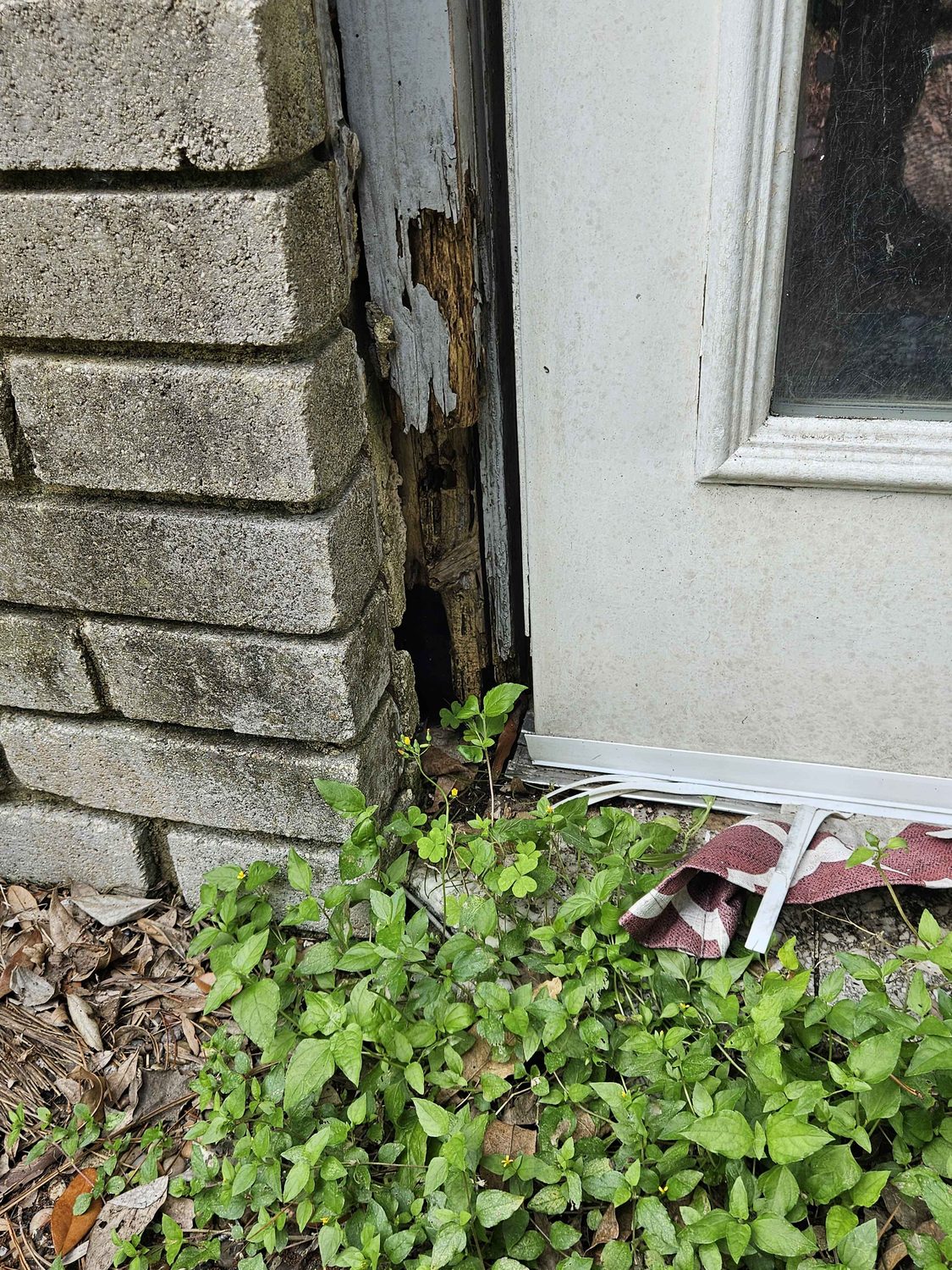
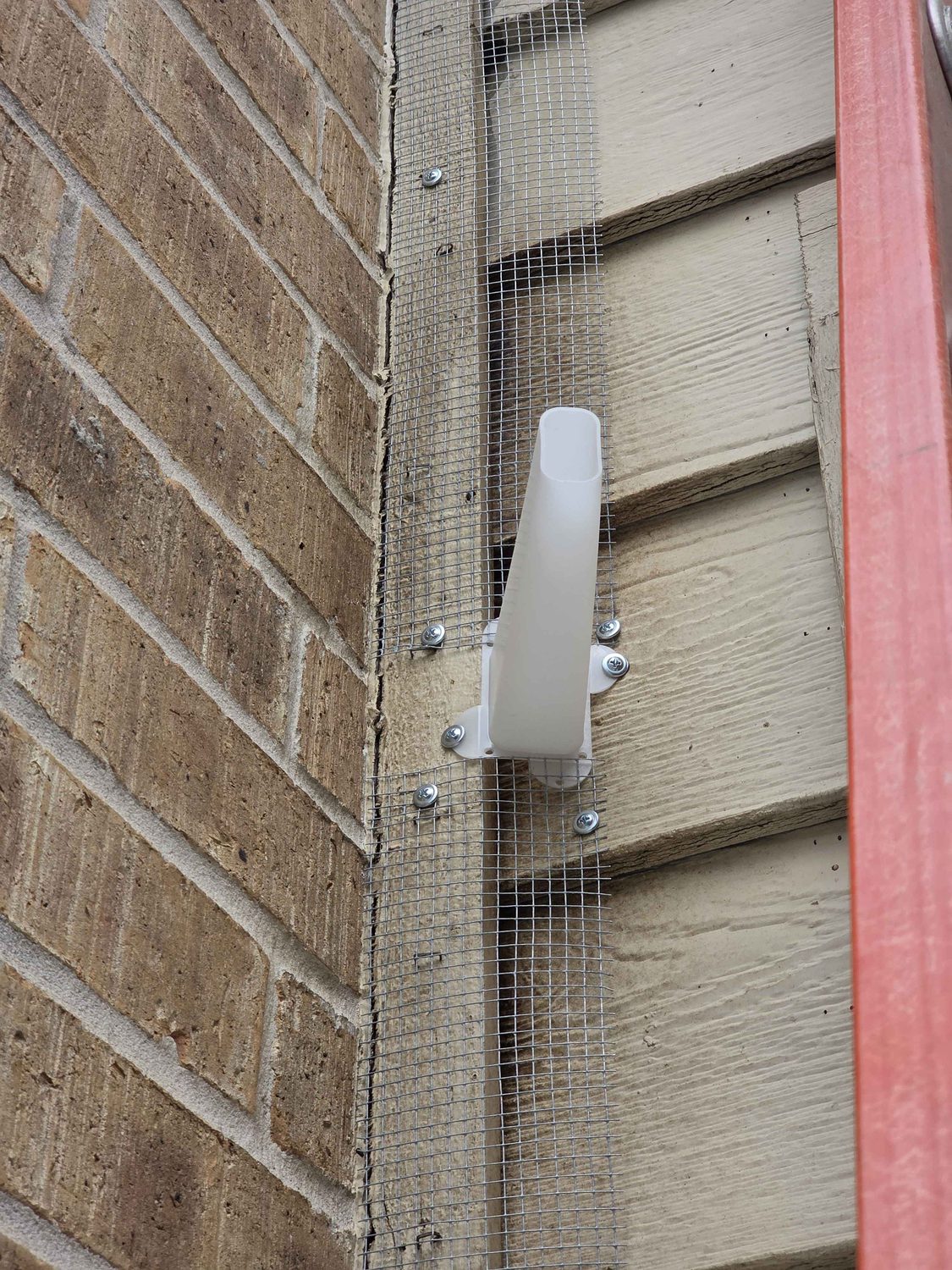
Exclusion and rooflines: 23 photographs from real jobs
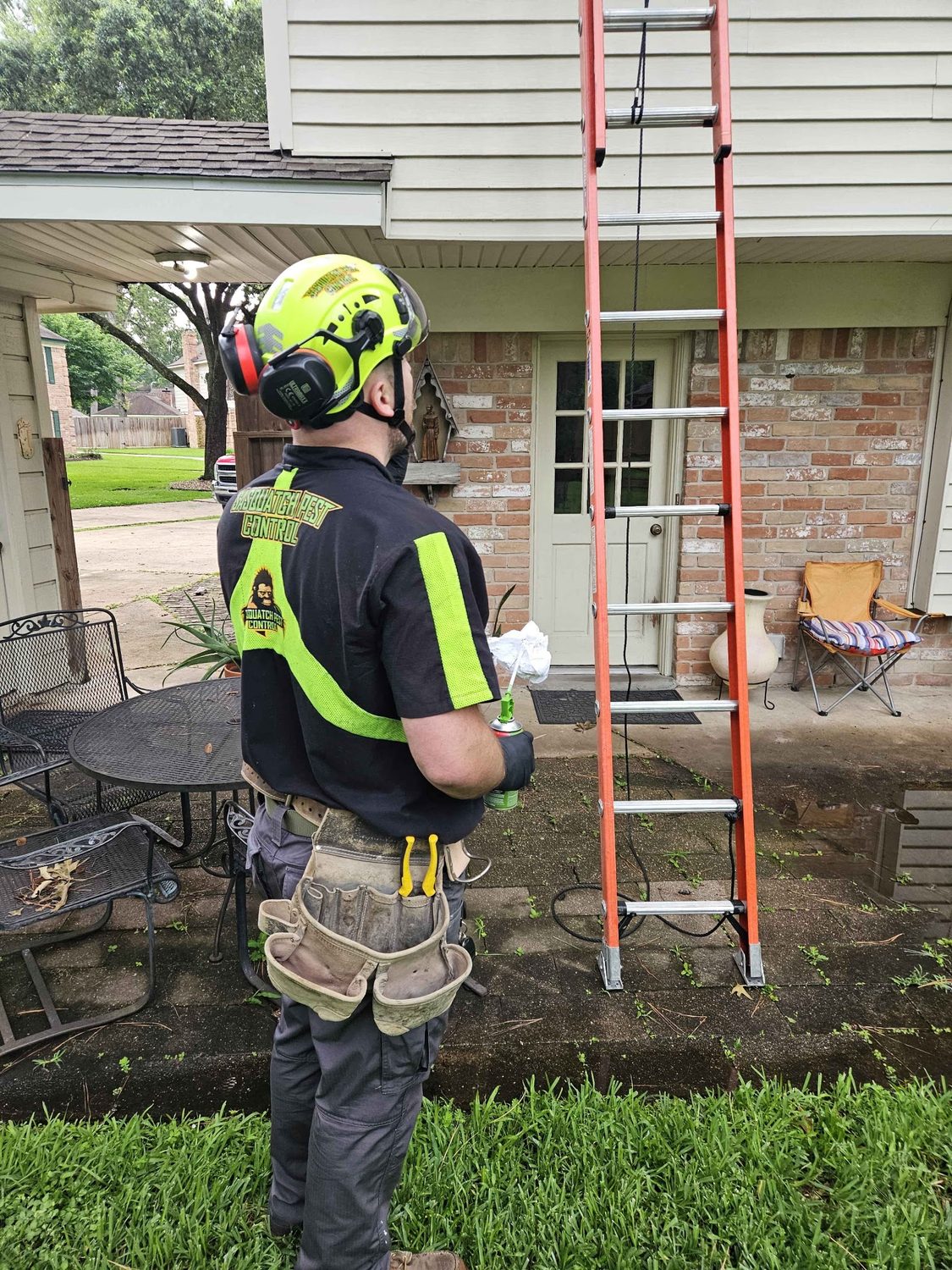
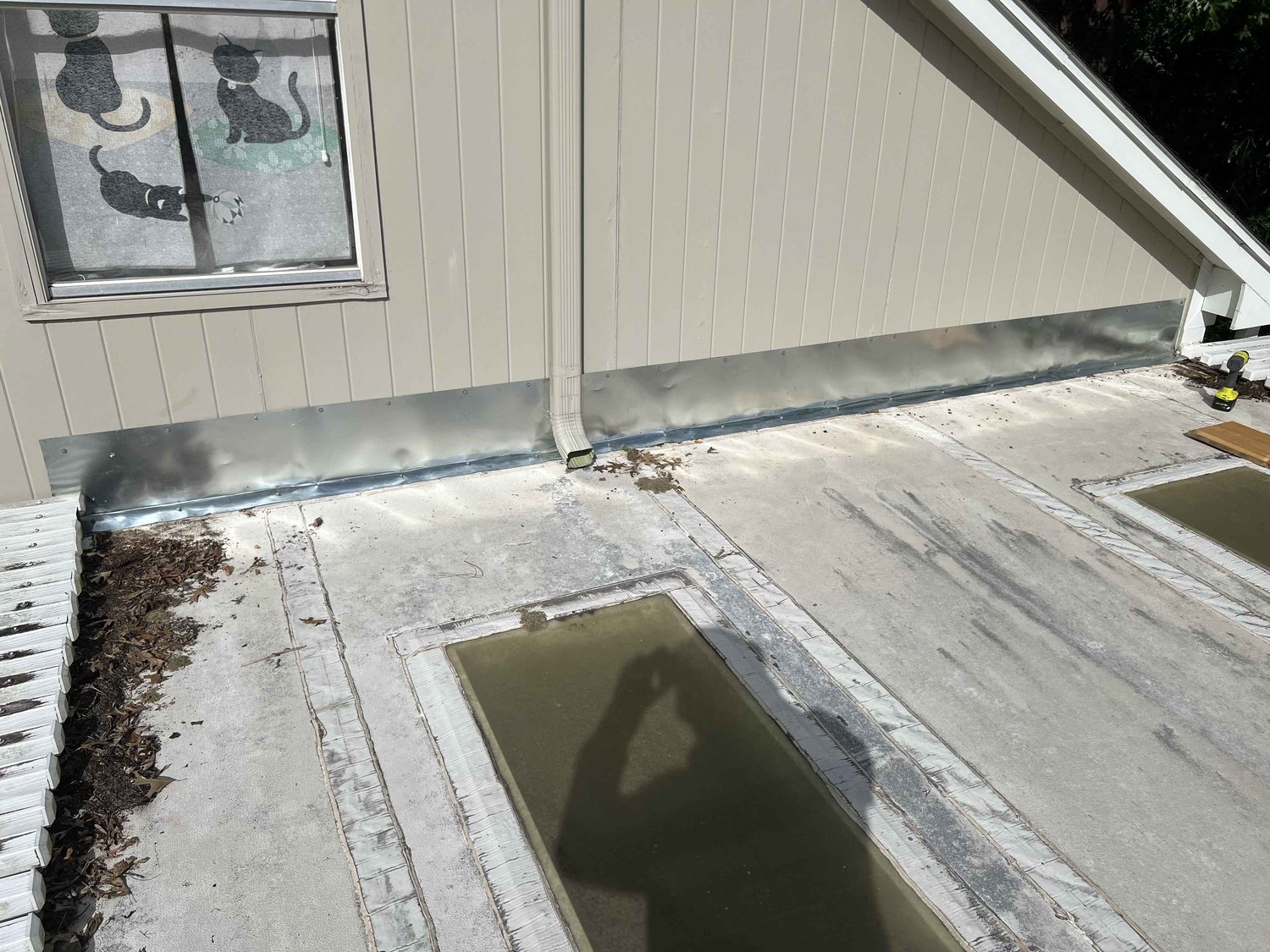
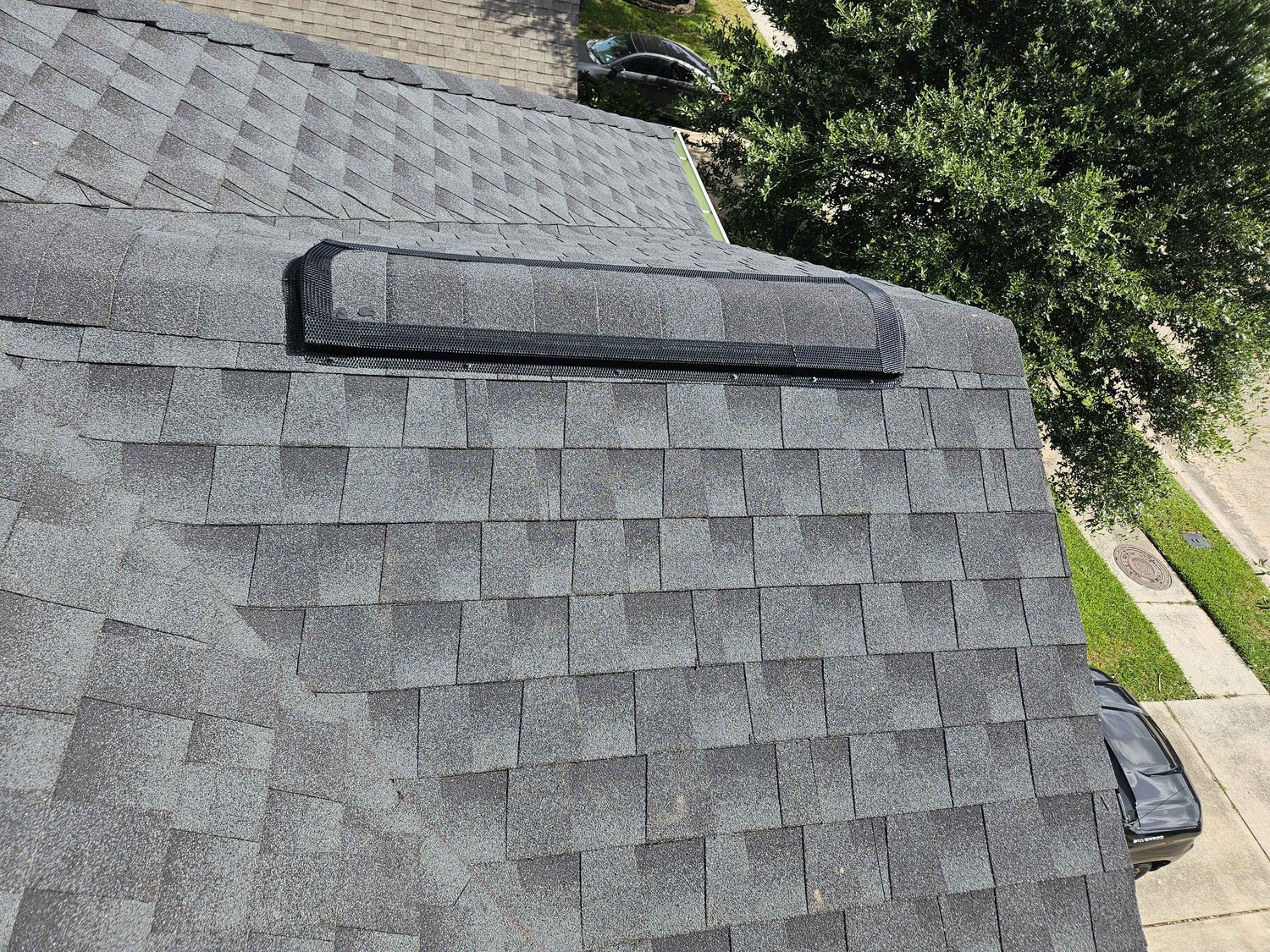
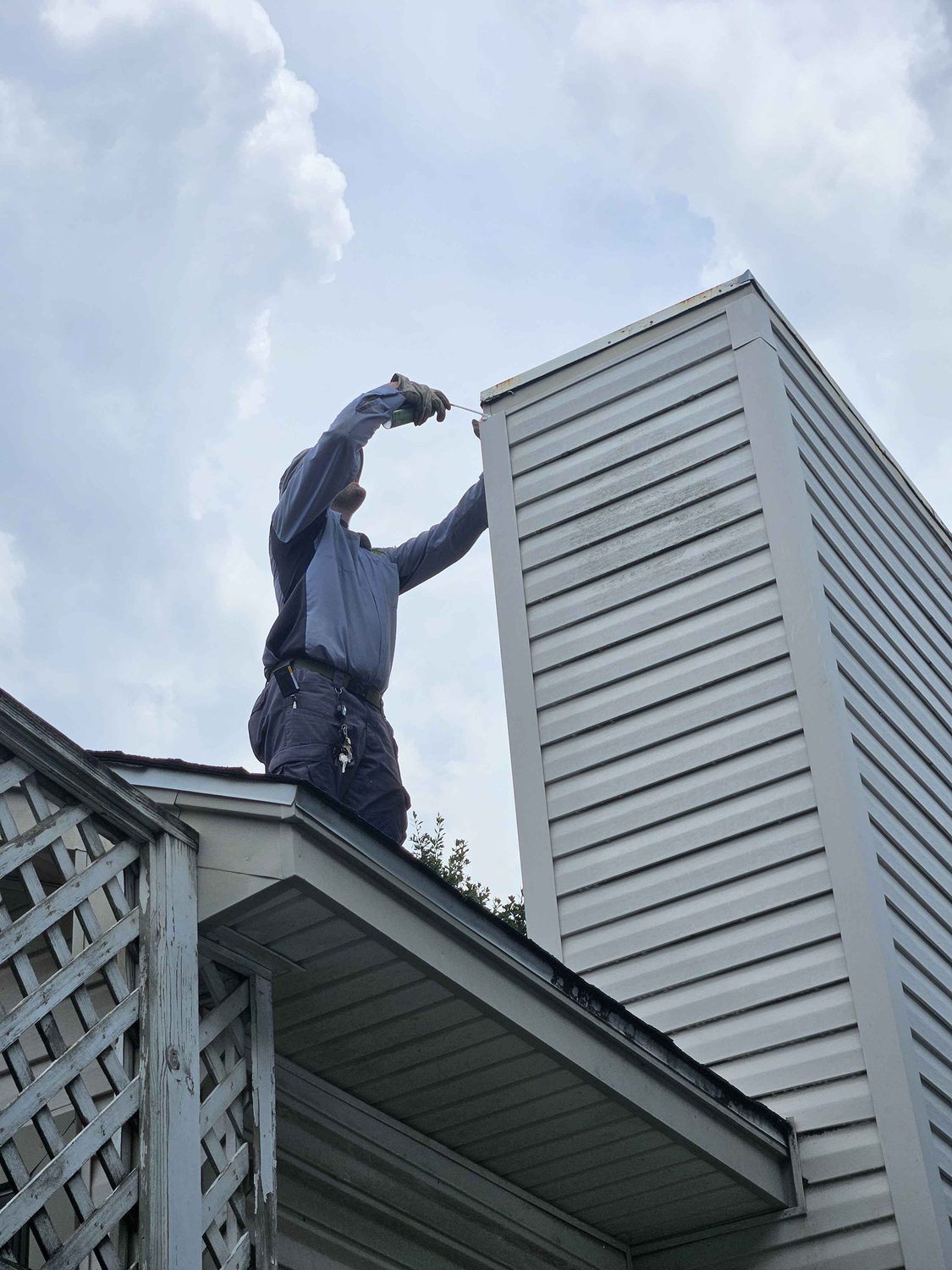
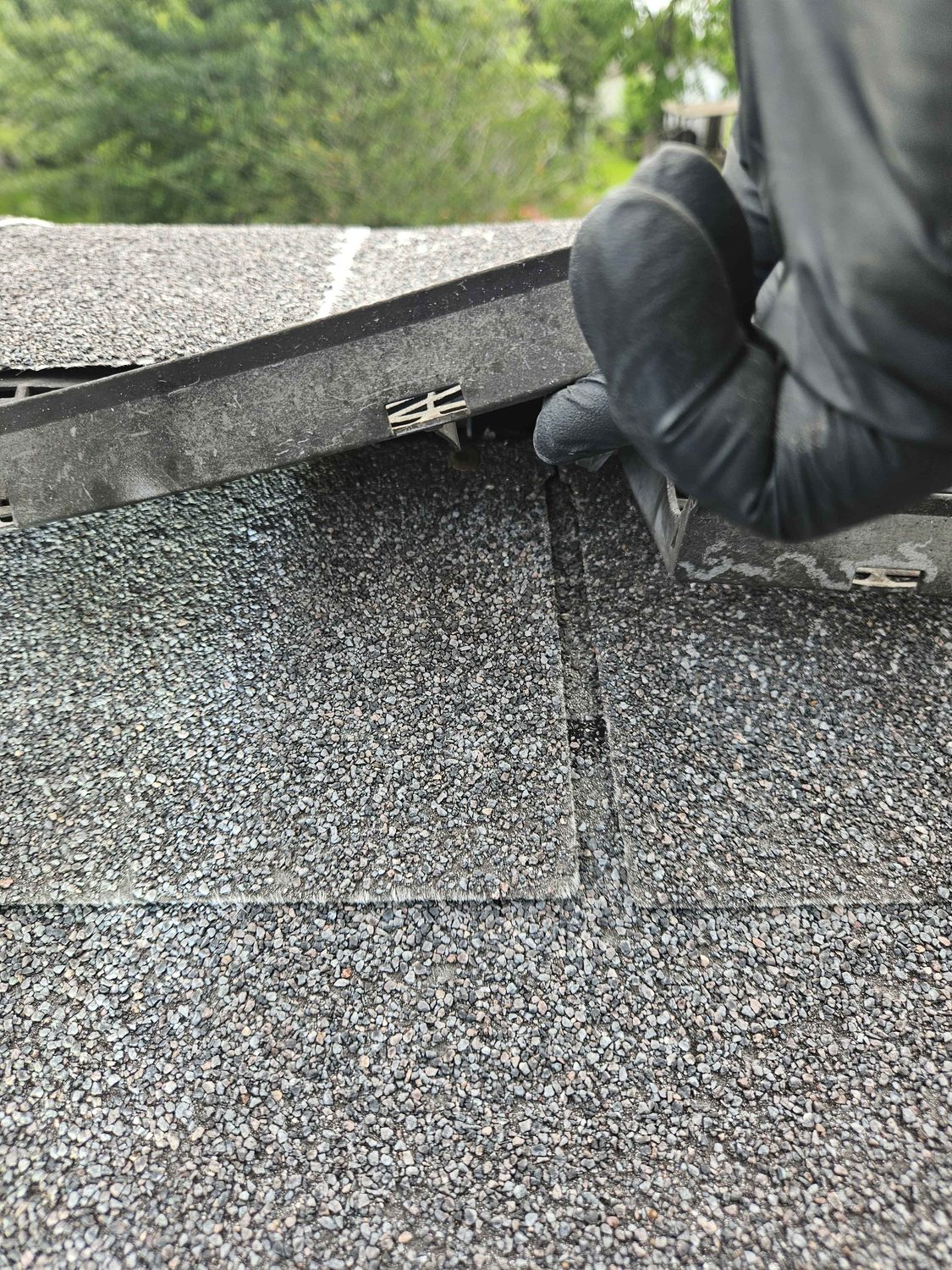
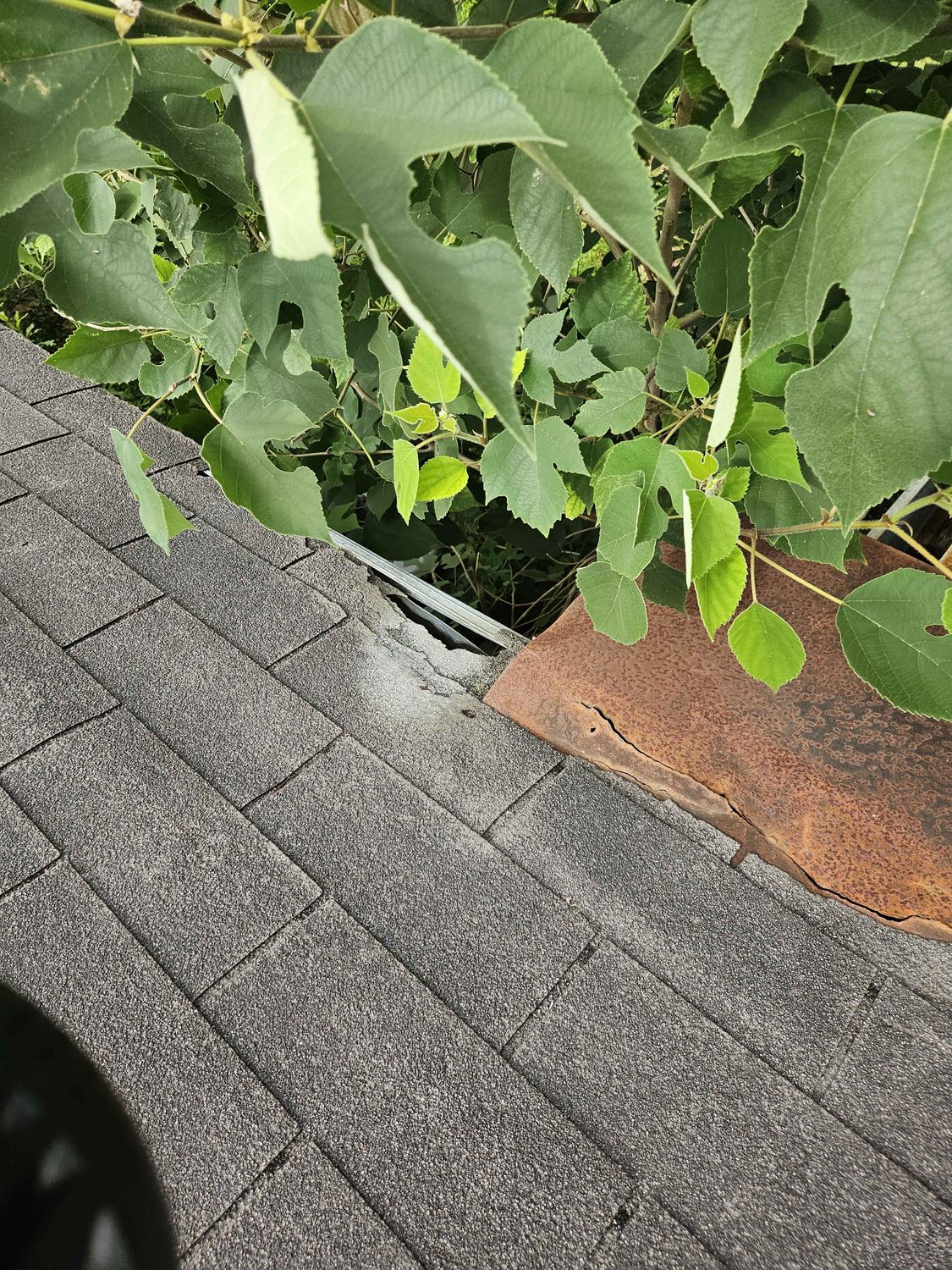
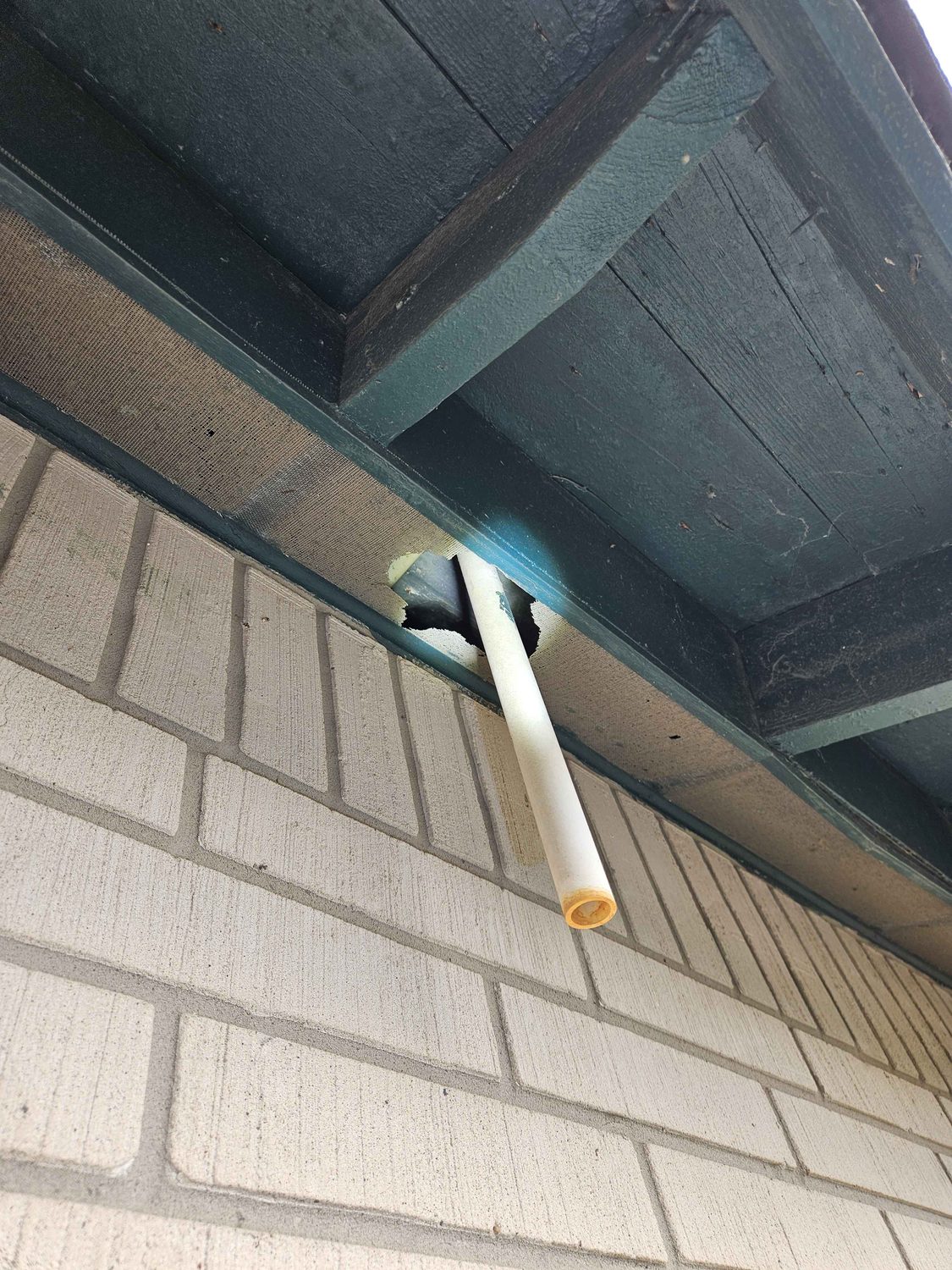
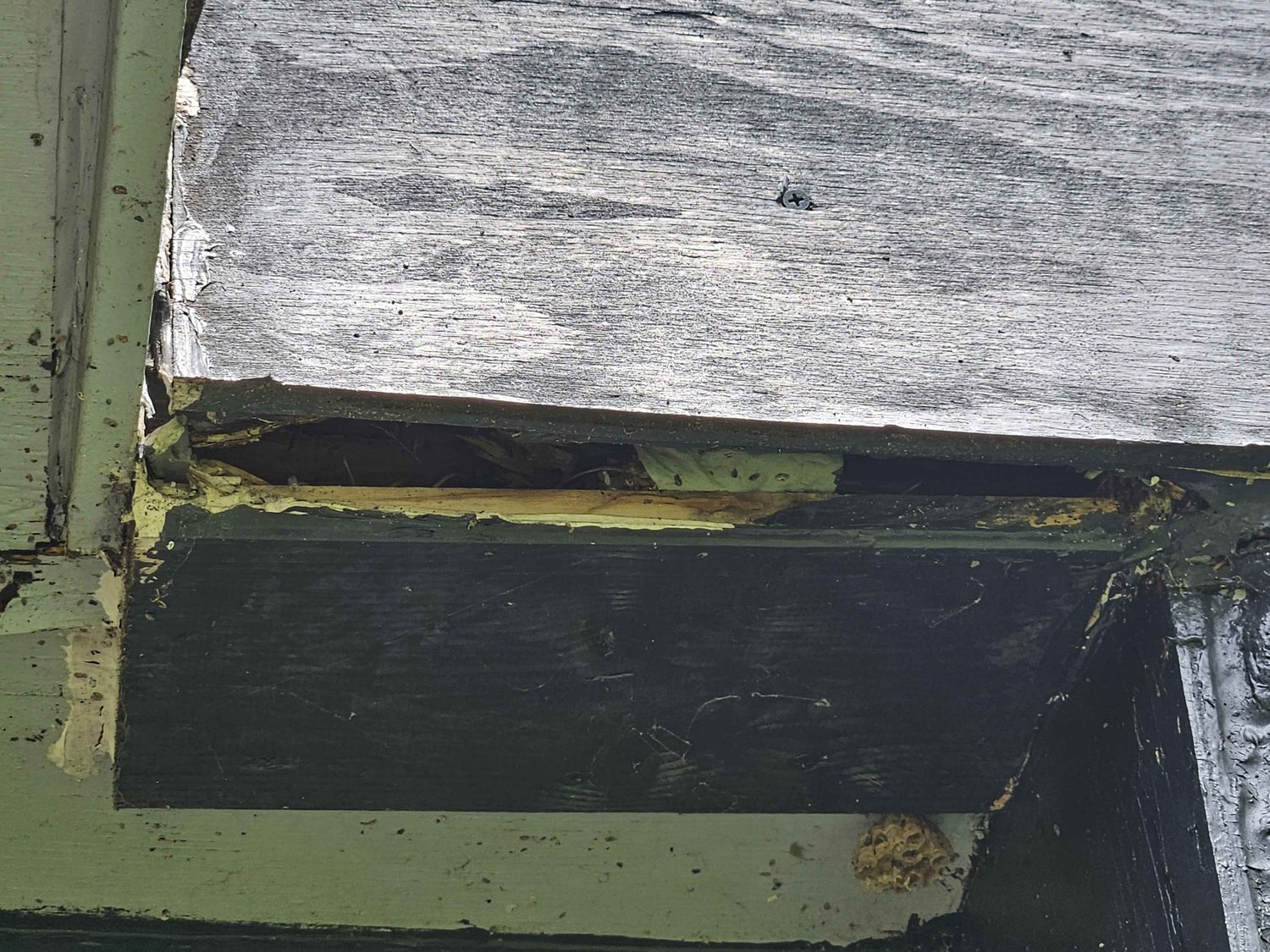
Every one of these was taken on a job around north Houston by whoever was doing the work. Stock photography is close to universal in this trade and a reader has no way to tell by looking, which is the only reason it is worth saying out loud. The rest of the archive is on the gallery.
From the blog
Exclusion & Repairs in north Houston?
No long-term contracts, and service agreements are backed by our 100% Service Guarantee.
Because we are based in Spring, we can often come out the same or next day for urgent problems. Call before noon, Monday through Friday, for the best chance at next-day service.
Last updated