
Rodent Control in Houston and Spring, TX
Around Spring, most rodent calls are roof rats in the attic or house mice in the kitchen and garage. We inspect inside and out, seal the gaps they use, set traps and tamper-resistant exterior bait stations along their routes, and return to check activity until it stops. Sealing the entries is what keeps it stopped.
Call 281-627-4810 Request a free inspection
Year-round protection plans from $70 Core · Premium · Legendary See the plans
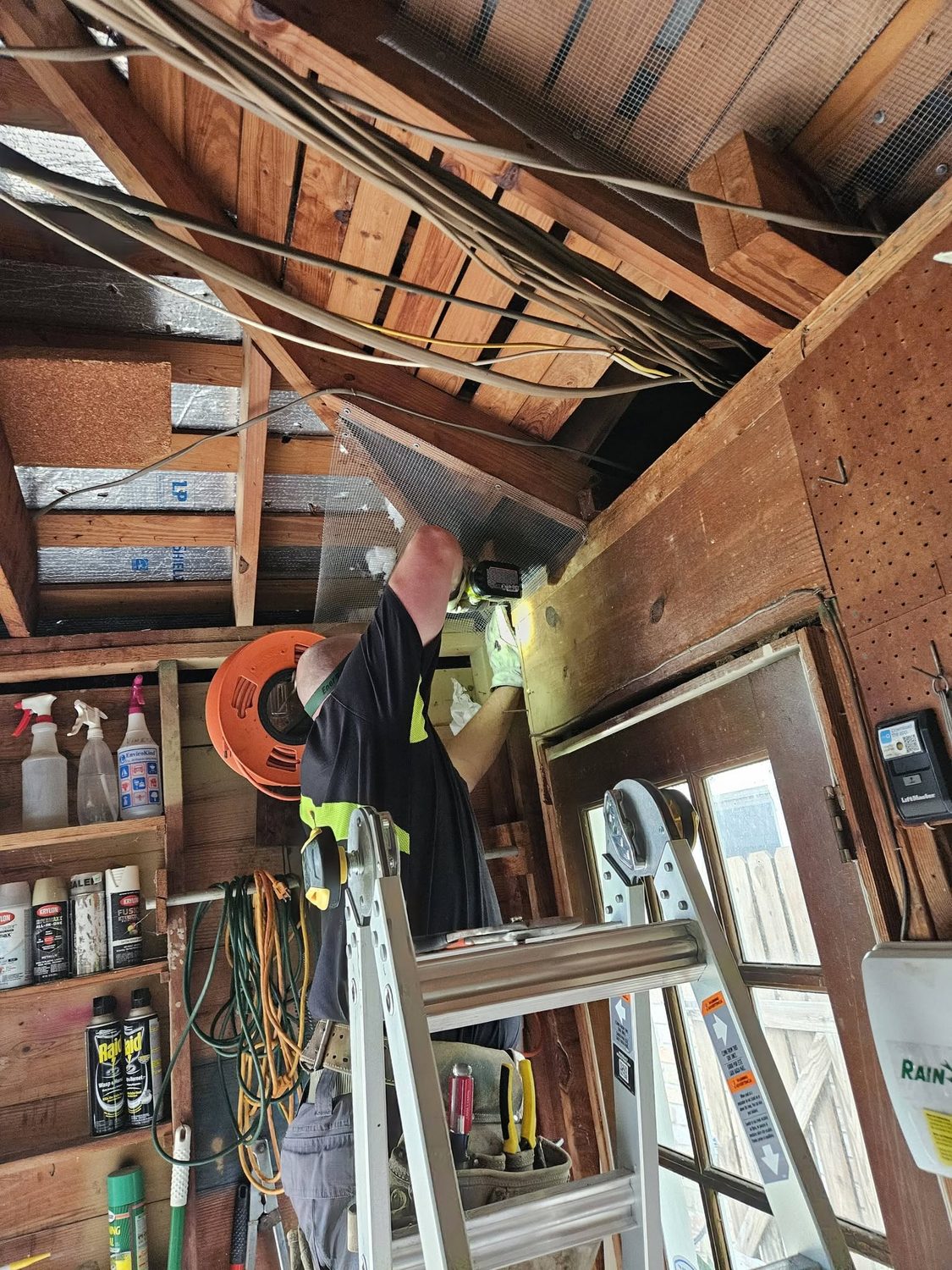
Rodents: the job at a glance
| What it covers | Roof rats, Norway rats and house mice in attics, walls, garages, kitchens and outbuildings in Harris and Montgomery counties |
|---|---|
| Included | Inspection of attic, garage and exterior, traps, exterior bait stations, a sanitation checklist, a one-week check-up, and small seal work |
| Not included | Large exclusion such as replacing a crawlspace door, and repairing wiring, ducts or insulation rodents already damaged |
| How long it takes | Setup and sealing in the first visit or two, then follow-ups until traps stay empty and no fresh droppings appear |
| Best timing | As soon as you hear or see the first sign; a few mice become a colony within a season |
| What it costs | Free inspection, then a written price; the number of entry points to seal and how many visits it takes set it |
Roof rats, Norway rats and house mice
Three rodents account for nearly every rat or mouse job in north Houston, and they behave differently enough that the plan changes with each one.
The roof rat is the slim, dark, long-tailed climber. Texas A&M AgriLife’s leaflet on controlling rats and mice says roof rats seldom burrow and normally nest in double walls and attics, and it gives a simple rule of thumb: if the nest is high, it is usually a roof rat. Around Spring, Klein and The Woodlands, with mature oaks and pines over most roofs, this is the rat we find most often.
The Norway rat is heavier, with a blunt nose and a tail shorter than its body. It burrows under slabs, sheds, woodpiles and stacked goods. The same AgriLife leaflet notes that rarely are both rat species found living in the same structure, which is useful when you are trying to work out what you have.
The house mouse is small, gray-brown and curious. Mice build neat nests in odd places: paper sacks, upholstered furniture, cabinet drawers, the back of a garage shelf.
Lookalikes come up too. Daytime scampering on the roofline is usually a squirrel, not a rat; that job has its own page under squirrel removal. Larger shuffling under a deck at night is often an opossum.
Rodent control in Houston, TX: why rats have it easy here
Rodents here do not get a hard winter to knock their numbers back. AgriLife lists roof rat litters at three or more a year, with the heaviest production of young in winter and spring, and a house mouse can produce many litters a year and reach breeding age in six to ten weeks. A pair that moves into a garage in November can be a real population by spring.
The housing stock helps them along. Slab foundations leave fewer crawlspace problems than older homes elsewhere, but rooflines here carry a lot of detail: soffit returns, gable vents, plumbing stacks, the gap where a garage roof meets a two-story wall. Tree limbs and power lines give roof rats a road straight to all of it. Heavy rain and high water also push ground-dwelling rodents toward whatever is dry, and a garage or wall void usually is.
How small a gap is too small
Texas A&M AgriLife’s rodent IPM training puts it in coins. A mouse needs a hole about the size of a dime, or a quarter-inch crack under a door. A rat needs a hole about the size of a quarter, or a half-inch crack. That same training notes rodents are most active in the first two hours after dusk and travel the same paths nightly, hugging walls and anything that gives them cover.
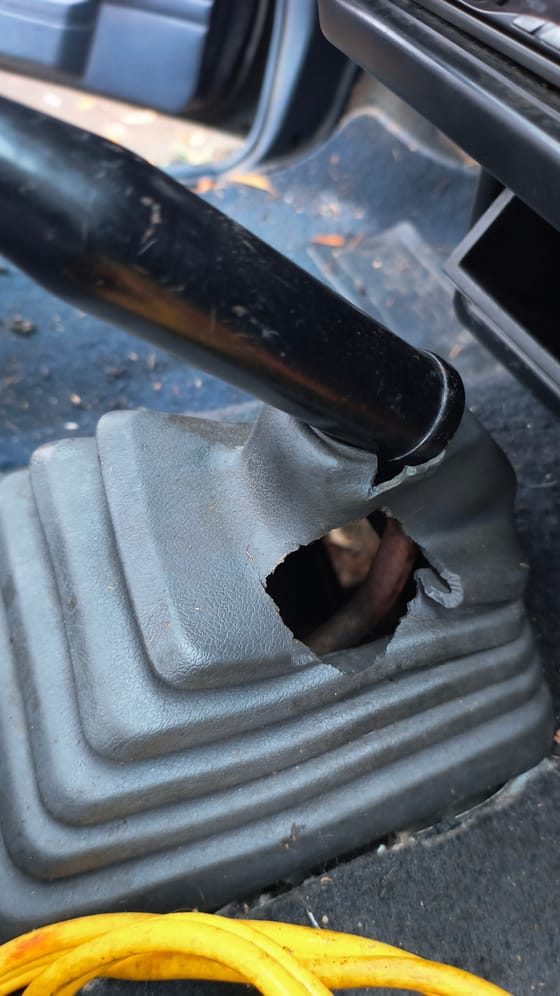
Those two facts drive the whole job. The small gaps tell us what to seal, and the repeated routes tell us where traps will actually get visited.
Where they get into a north Houston house
After enough attics, the same handful of openings keeps turning up. On a typical two-story home in Spring or Cypress, these are the places we check first:
- Garage door corners and the bottom seal. A worn rubber seal or a bent corner leaves exactly the half-inch slot a rat needs.
- Where a lower roof meets a taller wall. Builders often leave an open pocket behind the fascia at this junction, and roof rats find it from the tree above.
- Plumbing and AC line penetrations. The hole drilled for a refrigerant line or a hose bib is often wider than the pipe, and the gap behind the escutcheon is rarely sealed.
- Gable and soffit vents. Screens rust, tear or were never fitted.
- Weep holes and brick ledges. Mice use the gap at the base of brick veneer more often than people expect.
- Dryer vents and bath fans. A flapper that no longer closes is an open door.
On older homes with pier-and-beam sections, the crawlspace access door and foundation vents get added to the list. A commercial building adds dock plates, roll-up doors and utility chases.
Each of these is noted during the inspection, and the small ones are closed during setup. Anything that needs carpentry or sheet metal is written up separately so you can decide on it with the price in front of you.
How we handle a rodent job
The method below is the one the company describes for its rodent program. It starts with a free inspection and carries no long-term contract.
- Inspection, inside and out. The technician walks through the areas you have noticed activity, then checks the attic, garage, any crawlspace and the outbuildings. The goal is to find where they are living, how they are getting in, and what is feeding them.
- A plan for your property. Every house is different, so the mix of measures is chosen for what the inspection turned up.
- Traps and exterior bait stations. Traps go where activity is, in forms suited to the location. Exterior baiting is done with tamper-resistant rodent stations placed discreetly around the home in active areas.
- Seal work. Small exclusion, such as screening vents or closing gaps around small pipes, is part of the program. Bigger structural work, like replacing or repairing a crawlspace door, is priced separately after the inspection so you see it before it is done.
- Monitoring. We come back for a check-up about a week after setup, then move to a monthly, every-other-month or quarterly schedule based on activity and your preference.
Larger repair work, such as rebuilding a damaged soffit or roofline section, is handled under exclusion and repairs. If rodents have fouled the attic insulation, replacing it is a separate job under attic insulation.
Signs, and what each one means
AgriLife’s leaflet ties each sign to how bad an infestation is, which is the right way to read them.
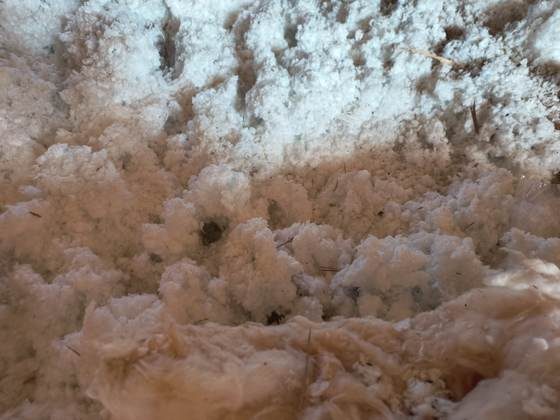
- Droppings. A few scattered pellets suggest a light problem. Many droppings in several places, some fresh and shiny, mean an established one. Rat droppings are noticeably larger than mouse droppings.
- Greasy smears. Dark rub marks along a wall, joist or pipe are where bodies brush the same spot every night. Heavy, greasy smears mean heavy traffic.
- Runways. Paths worn smooth through attic insulation or along a garage wall tell us where traps belong.
- Gnawing. Chewed food packaging, wire insulation, plastic or wood. Fresh gnawing is pale; old gnawing darkens.
- Sounds. Rodent activity increases after dark. Scratching inside a wall at night is covered on its own page, scratching in the walls at night.
- Smell. A stale, musky odor in a closed room or attic usually means urine buildup.
- Your pets. A dog or cat staring at one wall or appliance has often noticed the problem before you did.
What waiting tends to cost
The damage list from AgriLife is long: rodents chew wires, which may cause fires; gnaw pipes and water hoses; cut through mortar; and contaminate food and stored goods. In an attic, the usual bill is chewed wiring, soiled insulation and torn duct wrap. In a garage, it is bags of pet food, stored clothing and anything cardboard.
The health side matters as well. Texas DSHS’s murine typhus fact sheet names rats and their fleas as the natural reservoir for the disease and lists “prevent rodents from living in your house” among its prevention steps. The same sheet advises treating for fleas before rodent control begins, so the fleas do not go looking for new hosts once the rodents are gone. If you have pets, that is a good reason to look at flea control alongside the rodent work.
Every month the problem runs, there are more animals to remove and more contaminated material to deal with afterward.
Cleaning up after rodents
Do not grab a broom. The CDC’s guidance on cleaning up after rodents warns that sweeping or vacuuming droppings, urine or nesting material can put tiny droplets containing viruses into the air. Its steps, in order:
- Open doors and windows for 30 minutes before you start.
- Put on rubber or plastic gloves.
- Spray the droppings and urine with a bleach solution (one part bleach to nine parts water) or a registered disinfectant until very wet, and let it soak for five minutes or as the label says.
- Wipe up with paper towels and throw them in a covered trash can.
- Mop or sponge the area with disinfectant, then wash gloved hands before taking the gloves off.
A garage floor full of droppings is the subject of droppings in the garage.
Homes and commercial properties
At a house, the job is usually an attic and a garage, a couple of dozen entry points, and a family that wants the noise to stop. At a business the same biology plays out at a different scale: dock doors left open, dumpsters close to the building, deliveries stacked against walls, drop ceilings that hide runways. Commercial work also tends to need a written record of what was found and what was placed, especially in food handling. That is set up through our commercial program, and the commercial pest control page covers the broader account.
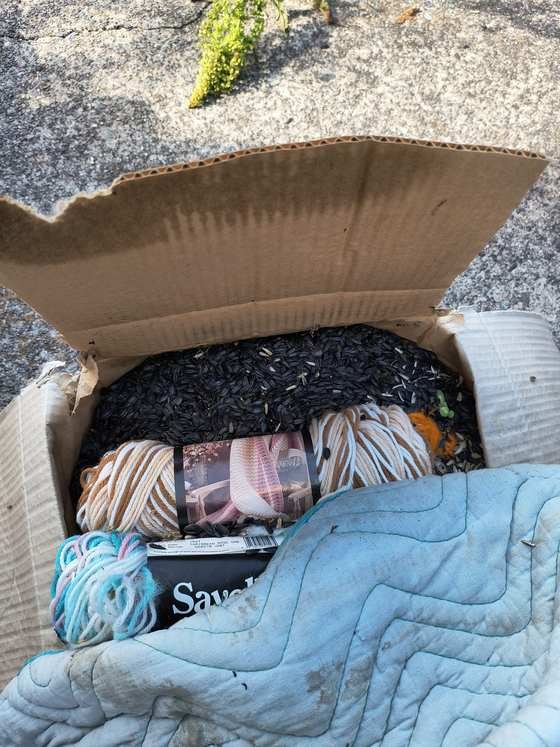
Prevention you can do yourself
AgriLife’s practical advice holds up well in a north Houston yard:
- Store pet food, birdseed and pantry goods in glass or metal containers, not the bag they came in.
- Keep garbage in tightly covered cans.
- Store boxes and stored goods off the floor with a gap between them and the wall, so there is nowhere hidden to nest.
- Fix dripping hose bibs and pick up standing water.
- Cut tree limbs back from the roofline so roof rats lose their bridge.
- Cover small openings with quarter-inch hardware cloth or steel wool, and cover gnawed edges with metal.
- Pick up fallen fruit and pecans before they become a nightly buffet.
None of these replace sealing the house properly, but each one makes it a worse place for a rat to live. They are also the items on the sanitation checklist we leave after setup, so you know which ones matter most on your property.
Rodent problems we cover in detail
- Roof rats in the attic: the most common rodent job in tree-covered neighborhoods.
- Droppings in the garage: what they tell you and how to clean them up.
- Scratching in the walls at night: working out what is in the wall and how it got there.
Where people go next
Not sure what left the droppings? Mouse vs rat helps tell the two apart, and roof rats in Houston covers the climbing rat behind most attic calls here.
If the animal turns out to be bigger than a rat, the next stop is usually raccoon removal or squirrel removal. For the gaps themselves, see exclusion and repairs. Rodent work is covered by our 100% Service Guarantee, and the terms page lays out exactly what that means. We work across Harris County and Montgomery County, from Spring and Klein out to Tomball and Conroe. To book the free inspection, contact us.
Frequently asked questions
Is the noise in my attic rats or squirrels?
Timing is the best clue. Texas A&M AgriLife notes that running and gnawing during the day usually means squirrels, while running, squealing and gnawing at night points to rats. Droppings and where the nest sits settle it on the inspection.
Can I just set traps myself and skip the sealing?
You can catch the rodents that are inside now, but the gap they used stays open and the next ones walk in through it. A mouse needs an opening about the size of a dime, so a house that has only been trapped is rarely empty for long.
Do you use poison inside the house?
Inside, the work leans on traps placed along the runways we find. Bait goes in tamper-resistant stations around the exterior, placed in active areas. If you have pets, children or a specific concern, tell us at the inspection and the placement plan accounts for it.
How should I clean up droppings in the garage?
Do not sweep or vacuum them dry. The CDC says to air the space out for 30 minutes, wear gloves, soak the droppings with a bleach solution or a registered disinfectant, wait five minutes, then wipe up with paper towels and bag them.
How often do you come back?
There is a check-up about a week after setup. After that, follow-ups run monthly, every other month or quarterly, depending on how much activity we are still finding and what you prefer. There is no long-term contract attached to any of it.
Do rodents in Texas carry disease?
They can. Texas DSHS names rats and their fleas as the natural reservoir for murine typhus, and the agency advises treating for fleas before rodent control so the fleas do not move on to people or pets when the rodents die.
Our largest service areas
Guides
From the blog
Rodent Control in north Houston?
No long-term contracts, and service agreements are backed by our 100% Service Guarantee.
Because we are based in Spring, we can often come out the same or next day for urgent problems. Call before noon, Monday through Friday, for the best chance at next-day service.
Last updated