
Roof Rats in Houston: How Controlling Them Actually Works
Controlling roof rats in Houston works best as a combined program: traps set along overhead runways, tamper-resistant bait stations outdoors, removing fruit, pet food and ivy, and sealing every opening larger than a quarter inch. Texas A&M calls rat-proofing the most permanent control, because trapping alone leaves the entry open for the next rat.
Call 281-627-4810 Request a free inspection
Year-round protection plans from $70 Core · Premium · Legendary See the plans
Roof rats are the rodent most north Houston homeowners end up hearing rather than seeing: a scramble across the ceiling after dark, a scratch inside the wall by the bed. They live high, travel high, and come into houses at the roofline. That habit is the key to controlling roof rats, because nearly every step that works is aimed above head height.
If you are not yet sure whether you have rats or mice, start with mouse vs rat. For the full biology of Rattus rattus, see the roof rat profile. This post is about the control side.
Why roof rats do so well here
Texas A&M AgriLife’s leaflet L-1916, Controlling Rats and Mice, notes that roof rats tolerate each other well enough that a hundred or more can share a site, where forty Norway rats would be a heavy population. Its reproduction table gives roof rats three or more litters a year, with the heaviest production of young in winter and spring.
The University of California’s Pest Notes: Rats, written for California but grounded in the same biology, adds two facts that fit Houston subdivisions closely. Roof rats are often seen at night running along overhead utility lines and fence tops, and they routinely travel 300 feet or more for food, which means the rat in your attic may be eating fruit or pet food in a yard down the street.
Mature pecans, citrus and live oaks, fences linking every backyard, and cable lines running to each eave give them food and a highway in one package.
Controlling roof rats starts with an integrated plan
L-1916 is clear that no single tool does the job. It says an integrated program that combines rodenticides and traps with removal of shelter, removal of food and water, and rat-proofing is the most effective. Each part covers a gap the others leave:
- Traps take out the rats already inside.
- Exterior bait stations reduce the population feeding around the house.
- Sanitation removes the reason they stay.
- Rat-proofing stops new ones from moving into the space the old ones left.
Skip the last step and the attic stays available to the next rat that finds the gap.
Trapping: think high, be patient
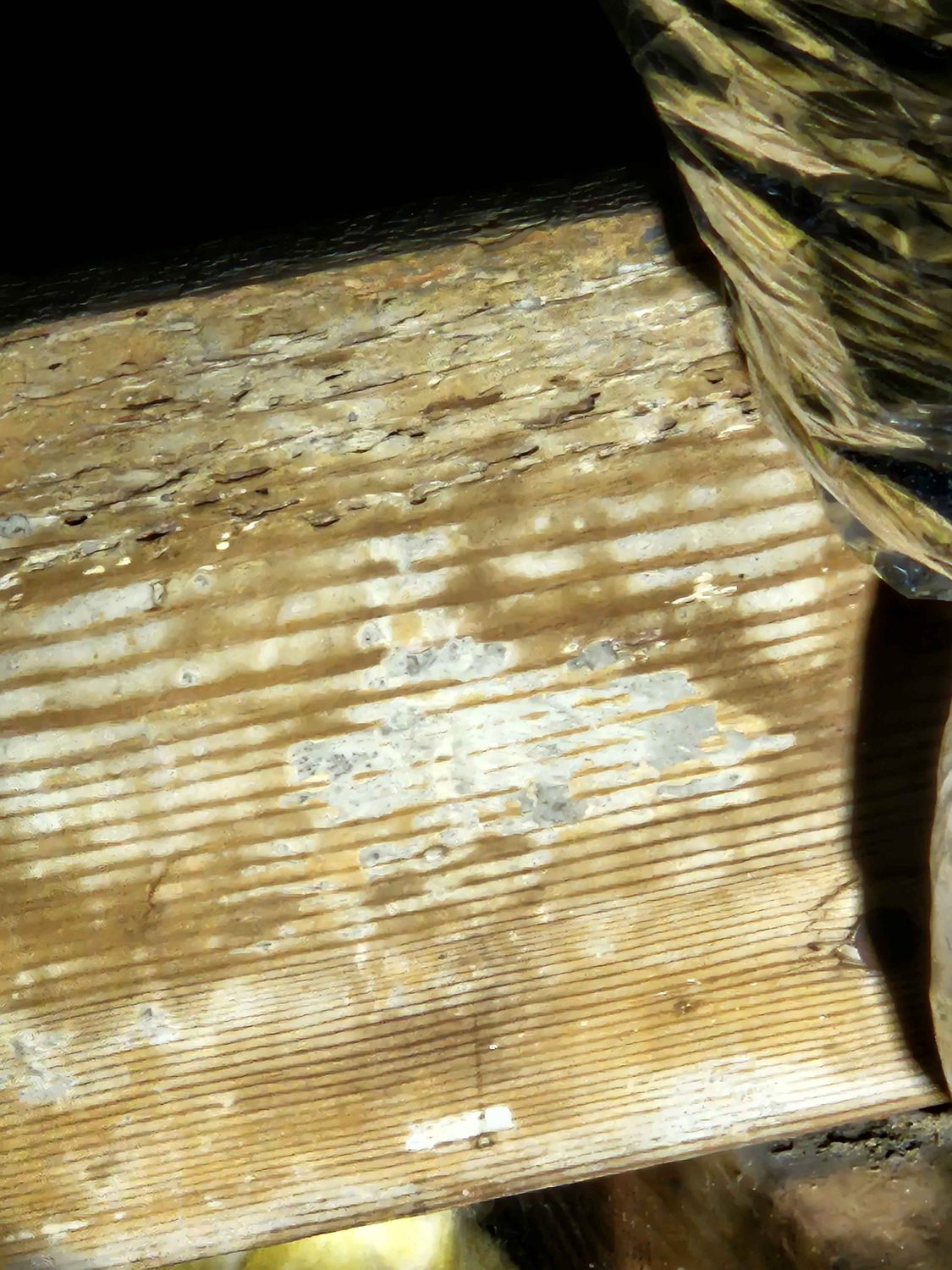
L-1916 says traps are just as effective as rodenticides but require more skill and labor. Its placement rules are specific: set traps along travel routes where droppings, rub marks and other sign show activity, put snap traps perpendicular to the base of the wall, and set glue boards and cage traps parallel to it. A two-inch square of cardboard attached to the trigger widens the target. Baits should be fresh and changed daily, with fruit, peanut butter and nuts all working, and the leaflet suggests varying the bait across traps.
UC IPM adds what makes roof rats harder than other rodents. They are wary of new objects and foods, often for days or weeks, and the publication says that caution is thought to be stronger in roof rats than in Norway rats. Its answers:
- Leave traps baited but unset until the bait has been taken several times.
- Place traps off the ground, on ledges, shelves, fences, pipes, branches and overhead beams, as well as on the ground where activity shows.
- In a heavily infested house, use a dozen traps or more, spaced roughly 10 to 20 feet apart.
A homeowner who sets two traps on the garage floor and gives up after three nights has usually done everything right except the part that matters for this species.
Bait belongs outside, in stations
L-1916 explains that most rodenticides are anticoagulants and that rats typically die three to ten days after feeding. It stresses careful placement so people and domestic animals cannot reach the bait, and describes bait boxes as protecting bait from weather while mainly restricting access to rodents.
We keep rodenticide bait in tamper-resistant stations outdoors and rely on trapping inside the structure, because a rat that feeds on bait and then dies in a wall or ceiling void is its own unpleasant problem.
Roof rat control that lasts: sealing the house
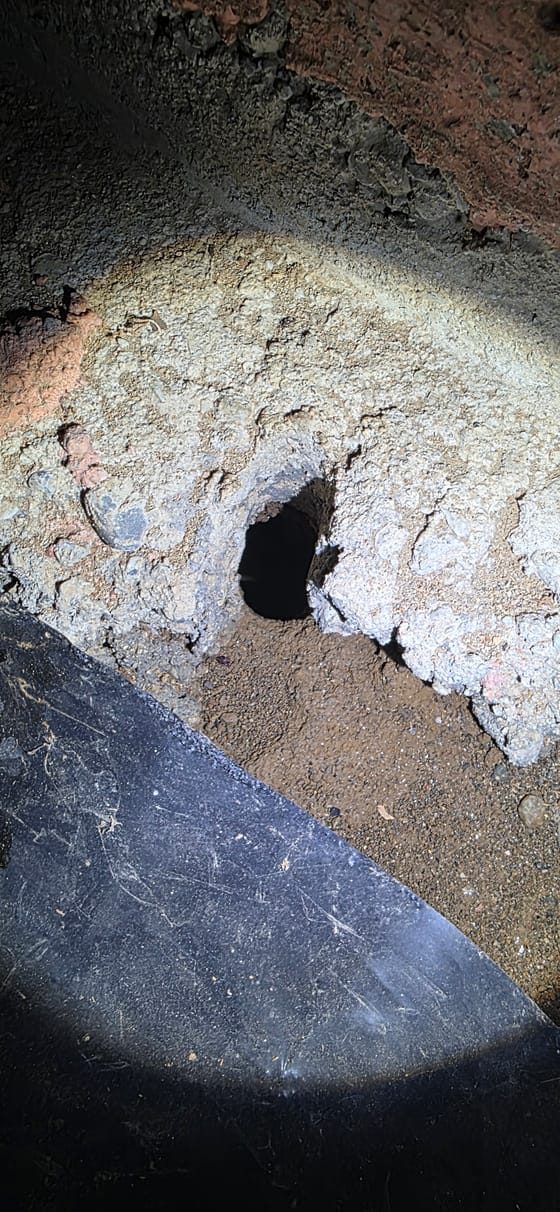
L-1916 calls rat-proofing the most permanent means of control. It recommends covering openings with rat-resistant materials such as quarter-inch hardware cloth or steel wool, protecting gnawed edges with metal, and closing unnecessary openings with concrete or sheet metal.
UC IPM sets the size threshold: seal all holes larger than a quarter inch to keep out both rats and mice, remembering that young rats can squeeze under a door with a half-inch gap. It also lists what does not hold up. Rats chew through plastic, foam, wood and caulk, and lightweight chicken wire should never be used.
On a typical Spring or Tomball house, the openings that matter most are high:
- gaps where a lower roof meets a second-story wall
- soffit corners and loose soffit panels
- roof vents and plumbing vent boots
- holes where cable, satellite and AC lines pass through siding
- the gap around the garage door top and side seals
The roof rats in the attic page shows what those look like from inside.
Cut the food and the roads
Sanitation is the cheapest part of the program. From UC IPM and L-1916:
- Pick up fallen fruit and nuts from pecan, citrus and loquat trees.
- Feed pets only what they eat at one meal, and store pet food in rodent-proof containers.
- Thin or remove ivy on fences and walls, which UC IPM says supports roof rat foraging.
- Store goods off the floor. L-1916 suggests at least 18 inches up, with space between stored items and the wall.
- Use metal trash cans with tight lids.
- Fix dripping faucets and hose bibs, since L-1916 counts water as part of the supply to cut.
Trim limbs back from the roof as well. A rat that cannot reach the roof from a branch has to use a fence or a line, which are easier to watch. If rats are running along power or cable lines, UC IPM recommends calling a pest professional or the utility company rather than working near the wires yourself.
Fleas first, then rats
Roof rat control in Houston carries a health step that is easy to miss. Texas DSHS’s flea-borne typhus page names rats and their fleas as the natural reservoirs of the disease and says new areas where it is established have emerged, including Greater Houston. DSHS advises treating for fleas before rodent control begins, because fleas leave dying rodents and look for new hosts, people and pets included. Keep pets on flea prevention, and mention any flea activity at the start of a rodent job.
How we handle roof rat jobs
Our rodent control program follows the same logic the extension guidance lays out. A free inspection covers the attic, garage and exterior to find nesting, runways and entry points. Traps go where the activity is, tamper-resistant bait stations go outside in active areas, and small seal work closes the gaps, with larger soffit and roofline repairs handled under exclusion and repairs. We come back for a check about a week after setup, then on a schedule matched to the activity. No long-term contract is required, and our 100% Service Guarantee backs the work.
Success, as L-1916 puts it, is not a count of dead rats. It is the point where bait is no longer being eaten, no fresh droppings appear, and no live rats are seen.
Frequently asked questions
Why aren't the rats going into my traps?
Roof rats avoid new objects. University of California IPM notes they may shun traps and baits for days or weeks, and that this caution is stronger in roof rats than Norway rats. Leaving traps baited but unset until the bait is taken a few times helps.
Where should roof rat traps go?
Where the rats travel, which is usually up high. UC IPM suggests ledges, shelves, branches, fences, pipes and overhead beams, and Texas A&M says traps belong along routes where droppings and rub marks show activity, with snap traps set perpendicular to the wall.
How small a hole can a roof rat get through?
Small enough that UC IPM advises sealing every opening larger than a quarter inch to keep out both rats and mice, and notes a young rat can slip under a door with a half-inch gap. Texas A&M recommends quarter-inch hardware cloth, steel wool, sheet metal or concrete.
Should I deal with fleas before the rats?
Texas DSHS says yes. Rats and their fleas carry flea-borne typhus, which has become established in the Greater Houston area, and DSHS advises controlling fleas before rodent control starts so fleas leaving dead rats do not move to people and pets.
Sources
- Texas A&M AgriLife Extension Wildlife Services L-1916 — Controlling Rats and Mice, read November 11, 2026
- University of California Statewide IPM Program — Pest Notes: Rats (Publication 74106), read November 11, 2026
- Texas Department of State Health Services — Flea-borne typhus, read November 11, 2026
Related posts
- Scorpions in Texas Homes: Why Houston Houses Get Them
- Signs of Rodents in Your Houston Home: How to Know if You Have Rats or Mice
- Spiders in Houston, TX: Brown Recluse, Black Widow, and the Harmless Majority
- Spiders of Texas: How to Identify the Dangerous and Common Species
- Pest Control in Spring and Tomball, TX: The Complete Homeowner’s Guide
- Squirrel Damage in Houston Attics: How to Identify, Remove, and Prevent It
Pest problem in north Houston?
No long-term contracts, and service agreements are backed by our 100% Service Guarantee.
Because we are based in Spring, we can often come out the same or next day for urgent problems. Call before noon, Monday through Friday, for the best chance at next-day service.
Last updated