
Scratching in the Walls at Night in Spring and North Houston
Scratching inside a wall after dark in a north Houston house is most often mice or roof rats using the wall cavity as a route between the attic and a food source. Note when and where you hear it, check the garage and attic for droppings, and have the entry found before anyone cuts into drywall.
Call 281-627-4810 Request a free inspection
Year-round protection plans from $70 Core · Premium · Legendary See the plans
What to do, in order
- Write down the room, the height on the wall and the time each night you hear it for about a week.
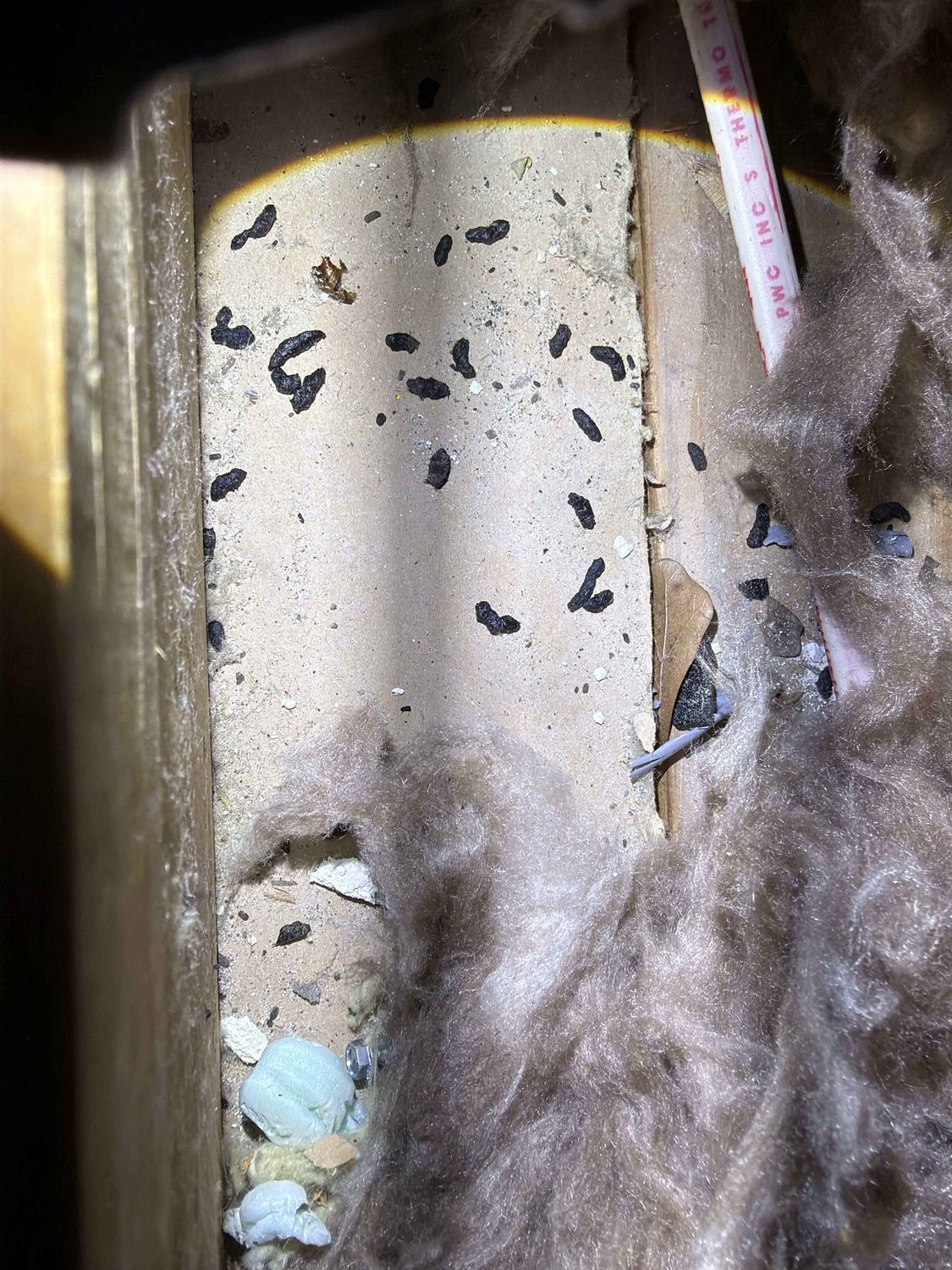
- Check the attic hatch area, the garage and the cabinet under the nearest sink for droppings or chewing.
- Watch whether a dog or cat fixes on one wall or appliance; pets often hear rodents before people do.
- Do not spray insecticide or pour anything into outlets or gaps in the wall.
- Do not cut open drywall to look; an inspection from the attic and outside usually locates the route.
- If the sound stops and an odor starts a few days later, tell us; a rodent may have died in the cavity.
What it usually turns out to be
A wall cavity is a dark, protected shaft between the attic and the floor. Rodents use it as a hallway. When you hear scratching low in a wall, that is often mice moving from the garage or the slab edge toward the kitchen. When the sound is high, near the ceiling, it is more often roof rats coming down from the attic.
Texas A&M AgriLife’s leaflet on controlling rats and mice describes what you are hearing better than most: mice squeal continually in their nests, rats make running and squealing noises even when not alarmed, and activity rises after dark, which it calls the best time to listen for them.
The lookalikes are worth ruling out:
- Bats in an exterior wall make a fluttering, squeaking sound mostly at dusk and just before dawn, when they leave and return. See bats in the attic.
- Squirrels are heavy and busiest in daylight. A wall noise at ten in the morning points away from rats.
- The house itself. Ducts, pipes and framing tick and pop as they heat and cool. Those sounds are sharp and repeated, not a scrabbling run.
- Insects. A heavy beetle or a cricket inside a wall can make a surprising amount of noise, but it rarely moves along the wall the way a rodent does.
How to tell at home
Treat it like a small investigation. Over a week, keep a note on your phone of where and when you hear it. A pattern usually shows up.
- Height. Low near the baseboard suggests mice from below. High near the ceiling suggests rats from the attic.
- Room. Kitchens, laundry rooms and bathrooms sit on plumbing walls, which have pipe holes through the plates top and bottom. Those are easy rodent routes.
- Time. Texas A&M’s rodent IPM training notes rodents are most active in the first two hours after dusk and follow the same paths nightly. Noise at the same hour each evening fits that.
- Pets. The same training lists a dog or cat alerting as one of the signs of rodents. A cat sitting at one baseboard for an hour is a clue.
- Other evidence. Check the attic near that wall’s top plate, the cabinet under the closest sink and the garage. Droppings, rub marks or chewed insulation near any of them confirm the route.
What we do about it
You do not treat a wall; you treat the rodents using it and close the way they got into it. Our rodent program starts with a free inspection and carries no long-term contract.
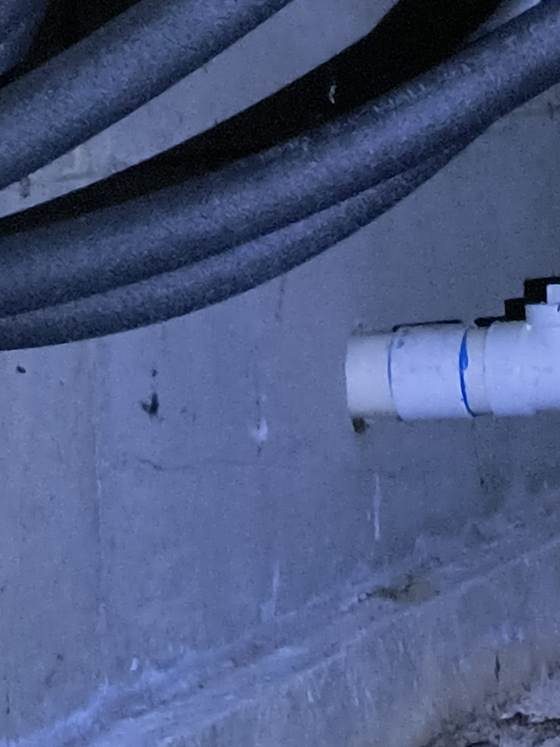
- Find both ends of the route. The technician checks the attic above the wall, the exterior wall and slab edge below it, the garage, and the plumbing penetrations inside cabinets. The aim is the place the rodents enter the house and the place they enter that wall.
- Trap where they move. Traps go on the runways in the attic, garage or cabinet spaces connected to the wall. Tamper-resistant bait stations go outside in active areas, not inside the wall.
- Seal small openings. Gaps around pipes and screened vents are part of the program. Larger work, such as a damaged soffit section, is priced after the inspection.
- Follow up. A check-up about a week after setup, then scheduled visits based on what we are still finding.
If the entry turns out to be at the roofline, our page on roofline and soffit gaps explains what the repair involves.
Why not just set a trap by the wall?
A trap in the room catches the rodent that wanders out of the wall, if it does. It does nothing about the six that never leave the cavity, or the hole outside they all came in through. AgriLife’s leaflet describes an integrated program, combining rodenticides and traps with removal of shelter, food and water and rat-proofing, as the most effective approach, and it calls rat-proofing the most permanent means of control. That matches how we work: the trapping ends this season’s problem, and the sealing keeps next season’s rodents outside.
When to call
Call if you hear it on more than two or three nights, if you find droppings anywhere in the house, or if the sound is near an electrical panel or a wall full of wiring. Call too if the scratching stops and a sour smell starts a few days later. The Texas A&M training says rodents gnaw constantly, and it lists wood, plastic, sheetrock, copper and wire among the things they can cut.
Related rodent problems
If the sounds move overhead, read roof rats in the attic. If the garage is where the evidence is, see droppings in the garage. The full program is on our rodent control page, backed by the 100% Service Guarantee. To get someone out to listen with you, contact us.
Frequently asked questions
Could it be something other than rodents?
Yes, though rodents are the usual answer at night. Bats make squeaking and rustling at dusk and dawn in exterior walls. Squirrels are louder and active by day. Expansion noise in pipes and framing tends to tick or pop rather than scratch.
Why does the scratching only happen at night?
Rats and mice do most of their moving after dark, and Texas A&M training material says they are busiest in the first two hours after dusk. The house is also quieter at night, so the same sounds that happen during the day are easier to hear.
Will you have to open the wall?
Rarely. The wall is usually a hallway, not a home. Rodents travel up and down it between the attic, the slab edge or the garage. Trapping where they enter and exit the wall and sealing the entry usually ends it without cutting drywall.
What if an animal died in the wall?
The smell is strongest in the first week or two and fades as the carcass dries. Sometimes it can be located and removed through an outlet box or the attic. Either way, it is a reminder that the route needs closing so it does not happen again.
Rodent Control in north Houston?
No long-term contracts, and service agreements are backed by our 100% Service Guarantee.
Because we are based in Spring, we can often come out the same or next day for urgent problems. Call before noon, Monday through Friday, for the best chance at next-day service.
Last updated