
Bats in the Attic in Spring and North Houston
Bats in a north Houston attic are usually Mexican free-tailed bats roosting in a soffit or ridge gap. They are removed by exclusion, never poison: one-way devices let them leave and not return, then every gap is sealed. Texas A&M advises doing it between September and April, so pups born in summer are not trapped inside.
Call 281-627-4810 Request a free inspection
Year-round protection plans from $70 Core · Premium · Legendary See the plans

What to do, in order
- At dusk, stand outside with a flashlight and watch the roofline for 30 minutes to see where bats drop out.
- Photograph the droppings below the gap and any brown staining around it.
- Keep the attic hatch, ceiling fixtures and duct boots closed so no bat reaches the living space.
- Do not block the exit holes or spray anything into them, especially between spring and late summer.
- Keep everyone out of the guano, and do not sweep or vacuum it.
- If a bat is ever found in a room with a sleeping person or a child, contain it and call your doctor or health department.
What it usually turns out to be
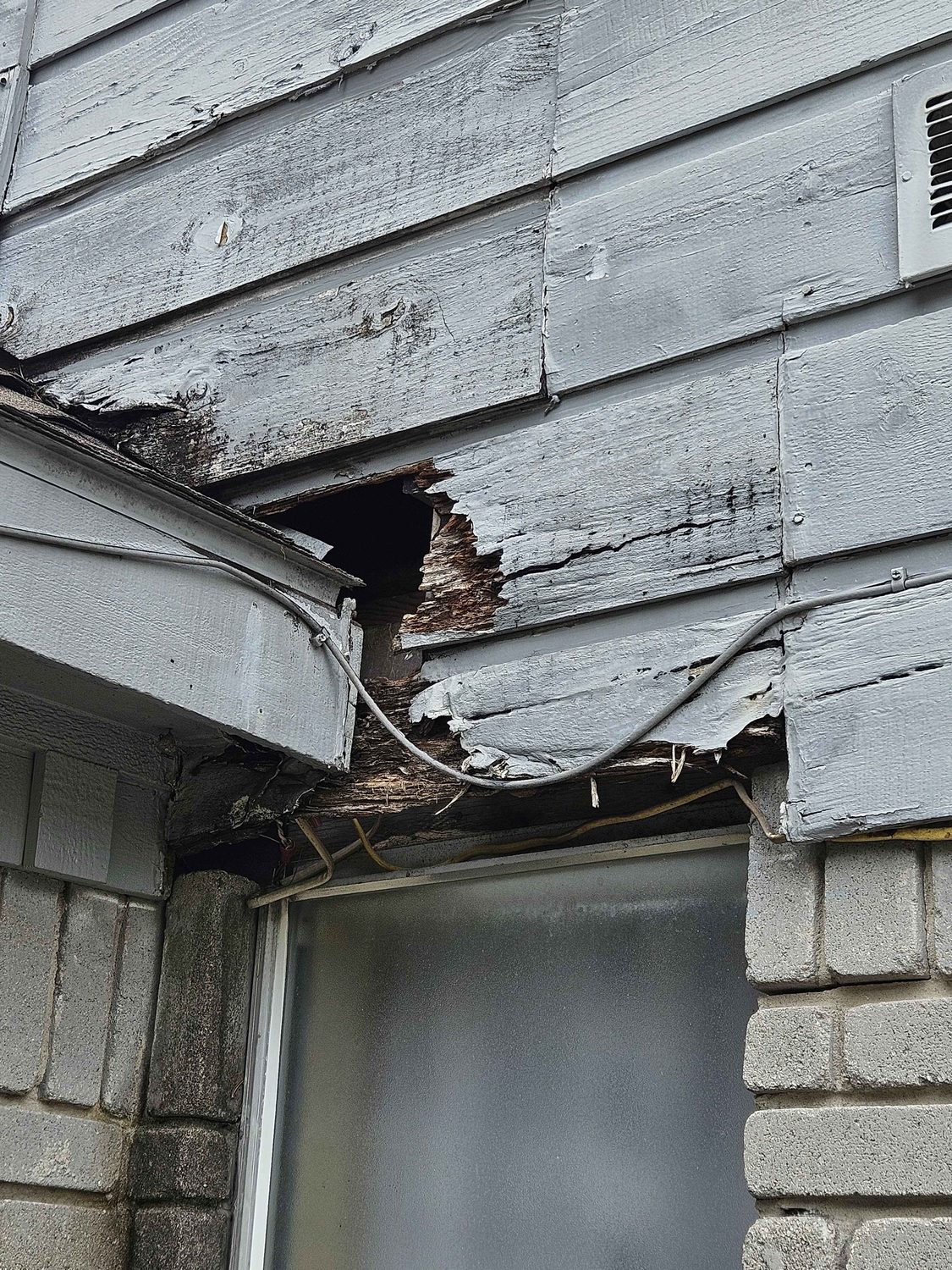
Houston has a lot of bats, and they do not only live under bridges. Texas A&M AgriLife’s bat management fact sheet names the Mexican free-tailed bat and the cave myotis as the state’s two most common species and says both often occupy buildings. In north Houston, the roost is usually a narrow gap at the top of a soffit, the end of a ridge vent, a gable vent or the space behind a trim board.
The fact sheet also explains why a colony stays: bats are creatures of habit and often return to the same roost year after year. The noise, odor and droppings are what make them a problem, not the bats themselves, which eat moths, beetles and other night-flying insects.
What else it might be:
- Mice or rats. Hard droppings that do not crumble, scratching at night that moves along a wall. See scratching in the walls at night.
- Birds. Sparrows and starlings nest in vents, but they come and go in daylight and leave twigs and grass sticking out.
- Squirrels. Daytime thumping, chewed holes. Covered under squirrels in the attic.
How to tell at home
The fact sheet recommends watching the building at dusk and just before dawn, noting every spot where bats leave and enter. On nights cooler than 50 degrees they may not come out at all, so a cold evening with no bats does not settle anything. Other things to check:
- Droppings under a gap. Small, dark pellets piled on a windowsill, a patio or the siding below the roofline. Pressed between two sticks, bat droppings crumble into a sparkly powder.
- Rub marks. The fact sheet describes stains left by oils and dirt from bat fur along rooflines and behind gutters. They are fainter than rodent smears.
- Sound. Squeaking or rustling in a wall or ceiling, loudest around sunset and again before dawn.
- Odor. An ammonia smell near the attic or a closet under the roost.
Why the calendar decides the job
This is the part that surprises people. AgriLife’s guide to removing a bat colony says the maternity season usually runs from spring to late summer, and it warns that evicting adults in that window will orphan and kill the young inside the building. It puts the best eviction window between September and April.
So a colony found in June is not ignored, but it is not excluded that week either. The inspection is done, the gaps are mapped, and the work is booked for the first window after the pups are flying.
What we do about it
Our bat work starts with a free inspection, with no long-term contract.
- Inspect. Confirm it is bats, size up the colony and find every gap, including the unused ones a colony would shift to.
- Schedule around the pups. Exclusion goes up outside the maternity season.
- Fit one-way devices over the active exits. The bats leave at night to feed and cannot get back in.
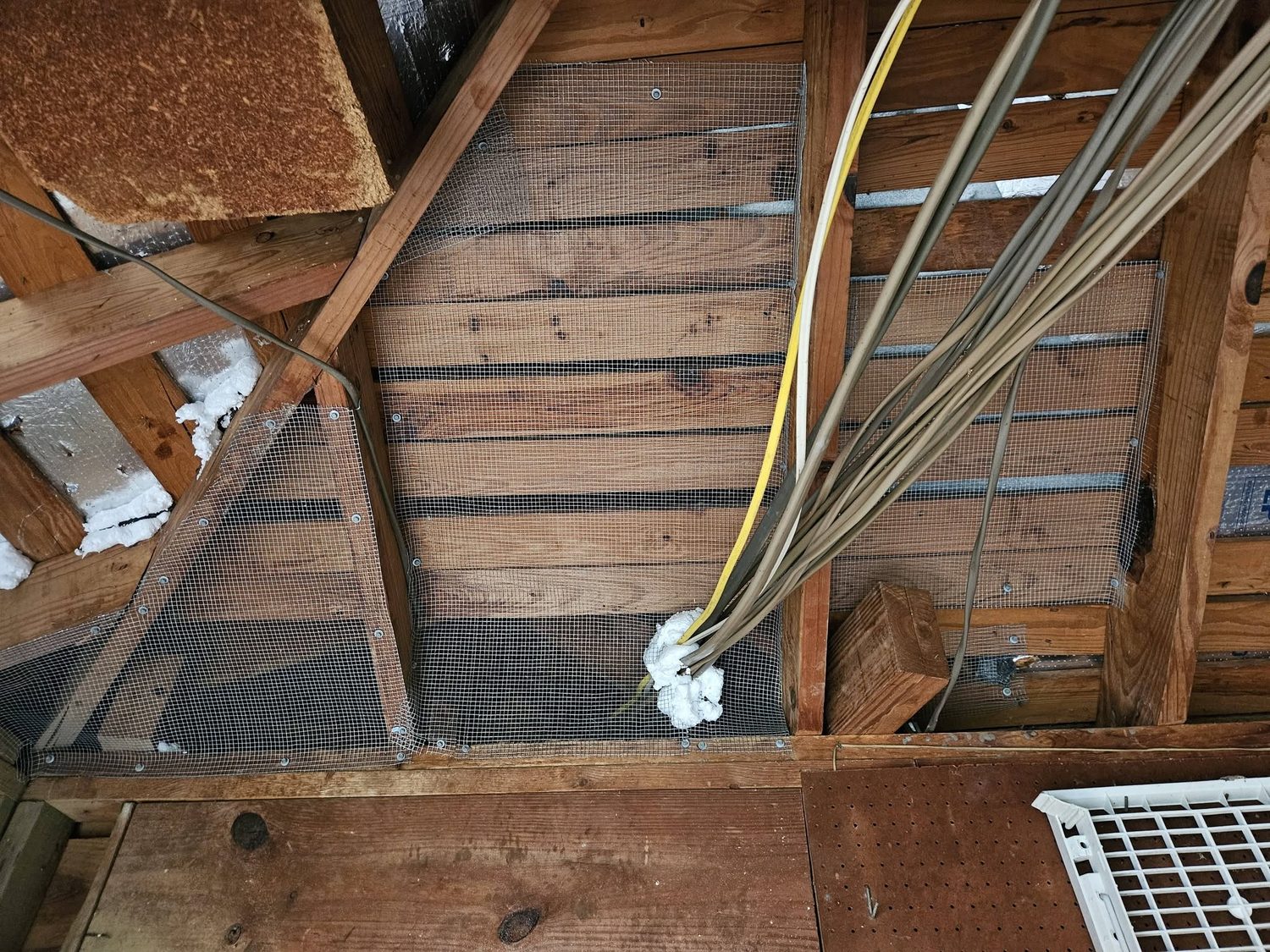
- Seal. Once the colony is out, every gap on the list is closed with durable material.
- Clean up the guano with containment and protective equipment, and address soiled insulation where needed.
While the colony is still inside
The fact sheet’s first rule is that neither adults nor children should handle bats. It adds that if a bat is found in a room with a sleeping person or an unattended child, or anyone may have had direct contact, the bat should be captured if possible and submitted for rabies testing through the lab Texas DSHS designates. A bat that lands on the ground is more likely to be sick.
Guano is the other concern. The CDC’s page on histoplasmosis says the fungus behind it spreads in bird and bat droppings that mix in soil and is caught by breathing in spores. Do not store things in that part of the attic, and never sweep or blow the droppings out.
When to call
Call as soon as you see bats leaving the roofline or find droppings below a gap, even in summer. An early inspection means the exclusion is ready for the first day of the window rather than starting from scratch in October. Call your doctor first if anyone may have been bitten or scratched.
Related problems
For the full exclusion method, timing and law, see our bat exclusion page. Gaps at the roofline that need carpentry are explained on roofline and soffit gaps. Bat work is backed by our 100% Service Guarantee. To get the colony mapped, contact us.
Frequently asked questions
How do I know they are bats and not birds or mice?
Watch at dusk. Bats leave one after another from a narrow gap high on the house and fly off in a jerky, darting line. Their droppings crumble into shiny insect fragments when crushed, where rodent droppings stay hard. Birds come and go in daylight.
Can I just seal the hole after they leave one night?
No. Bats do not all leave every night, and some stay in on cool or rainy evenings. Sealing a busy exit traps bats inside, where they look for another way out, sometimes into the house. In summer it also traps pups that cannot fly yet.
Is it legal to remove bats from a house in Texas?
Yes, by exclusion. Texas A&M AgriLife's bat fact sheet says bats in buildings occupied by people can be legally removed or evicted, and that it is not legal to use pesticides against bats. Exclusion is the method we use.
How long does the exclusion take?
Texas A&M advises leaving one-way devices in place at least one week in warm weather and two weeks when it is cooler than 50 degrees. After that, the devices come off and the openings are sealed. The cleanup follows once the colony is gone.
Guides
Bat Exclusion in north Houston?
No long-term contracts, and service agreements are backed by our 100% Service Guarantee.
Because we are based in Spring, we can often come out the same or next day for urgent problems. Call before noon, Monday through Friday, for the best chance at next-day service.
Last updated