
Pest Control in Cypress Creek Lakes, Cypress
Cypress Creek Lakes is a lake-and-detention community in unincorporated Harris County, about 13 road miles southwest of our Spring office. Despite the name, it drains toward Addicks Reservoir rather than Cypress Creek. Its chain of detention lakes, mowed reserves and mature lots mean mosquitoes, fire ants, raccoons and Formosan termites lead the list.
Call 281-627-4810 Request a free inspection
Year-round protection plans from $70 Core · Premium · Legendary See the plans
Cypress Creek Lakes, Cypress on the map
A lot of people assume Cypress Creek Lakes sits on Cypress Creek. It does not. The neighborhood takes its name from the area, but its water runs the other way, south toward Addicks Reservoir, through a long string of man-made lakes that double as stormwater detention. Once you see the community as a drainage system with houses around it, most of the pest calls from here make sense.
Locating Cypress Creek Lakes
OpenStreetMap draws Cypress Creek Lakes as a suburb area on the west side of Cypress, with Lake Bridgeland about a kilometer off its northern side and Towne Lake close by. The OSRM route from our office on Dornoch Drive measures 13.2 miles, roughly 24 minutes in light traffic.
Cypress is not a city, and neither is this neighborhood. A point check against the Census Bureau’s TIGERweb county and place layers puts it in Harris County with no incorporated place or Census-designated place around it, so county services, not a city, cover the public side.
Lakes that are really detention basins
The appraisal district’s parcel records show how much of the community exists to hold water. More than twenty reserves inside Cypress Creek Lakes carry a detention label, adding up to about 160 acres, and a similar group is marked for drainage. On the map, those reserves show up as ponds and basins, including one of roughly a dozen acres just east of the neighborhood point and several smaller ones within a few hundred yards.
Under the flood control district’s watershed boundaries, the neighborhood falls in the Addicks Reservoir watershed. The HCFCD Addicks Reservoir page lists a 138-square-mile drainage area whose primary streams are Bear, Horsepen, Langham and South Mayde creeks.
What all that water means for mosquitoes
Detention lakes rise after a storm and then fall for weeks. The open middle is not the problem. The problem is what the falling water leaves behind: grassy margins, stranded puddles, and outfall structures that stay damp. Texas A&M AgriLife’s mosquito explainer says floodwater species lay eggs anywhere water sits, even in grass, and that Culex mosquitoes in suburbs favor low spots and storm drains where water goes stale.
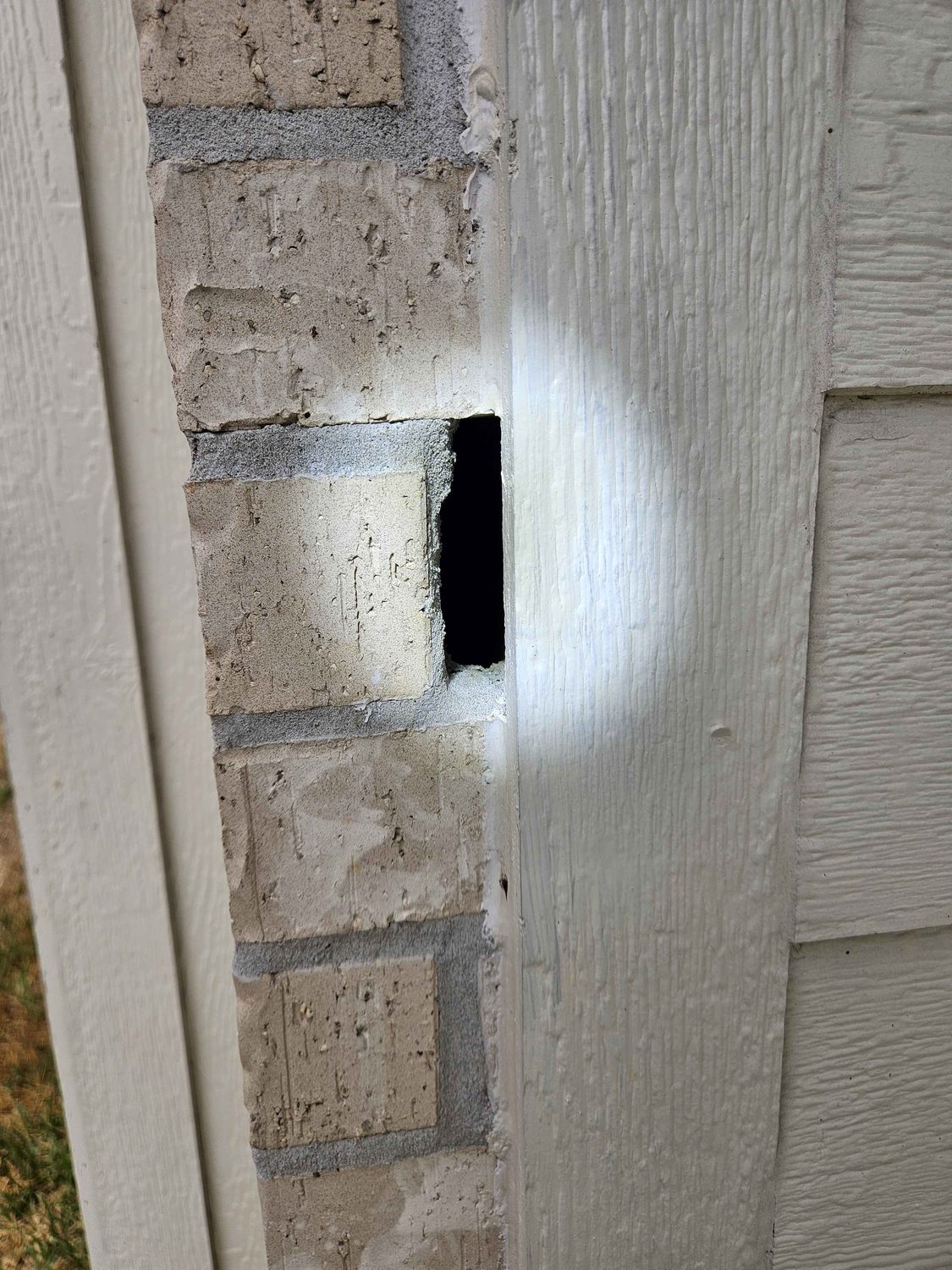
In a backyard here, we start with the downspout extensions, the French drain that never quite empties, the boat or kayak left right side up and the planters on the patio. Then we treat the shaded shrubs and fence lines where adult mosquitoes rest through the afternoon. That is the core of our mosquito control visit. For the streets and reserves, Harris County’s Mosquito and Vector Control Division posts proposed treatment areas and works overnight.
Mowed reserves and fire ants
Detention reserves are mowed, not landscaped, and the long grassy banks that slope down to each lake are prime fire ant ground. Texas A&M’s fire ant research site notes that colonies in turf push into homes, electrical gear and utility boxes, and that frequent disturbance such as mowing tends to make colonies relocate. Colonies driven off a reserve slope often resettle along the back fence, under the AC pad or inside a sprinkler valve box. Our ant control treats the full lot so the colony has nowhere close to retreat to.
Raccoons, decks and the lot line
The same appraisal data puts the typical house lot at a little over 9,000 square feet, and plenty of those lots back directly onto a lake reserve. That is a short walk for a raccoon or opossum moving along the water at night. Low decks, gaps under garden sheds and loose soffit returns are where they settle. We confirm what the animal is, get it out, and seal the opening with exclusion and repairs.
Termites on the Harris County side
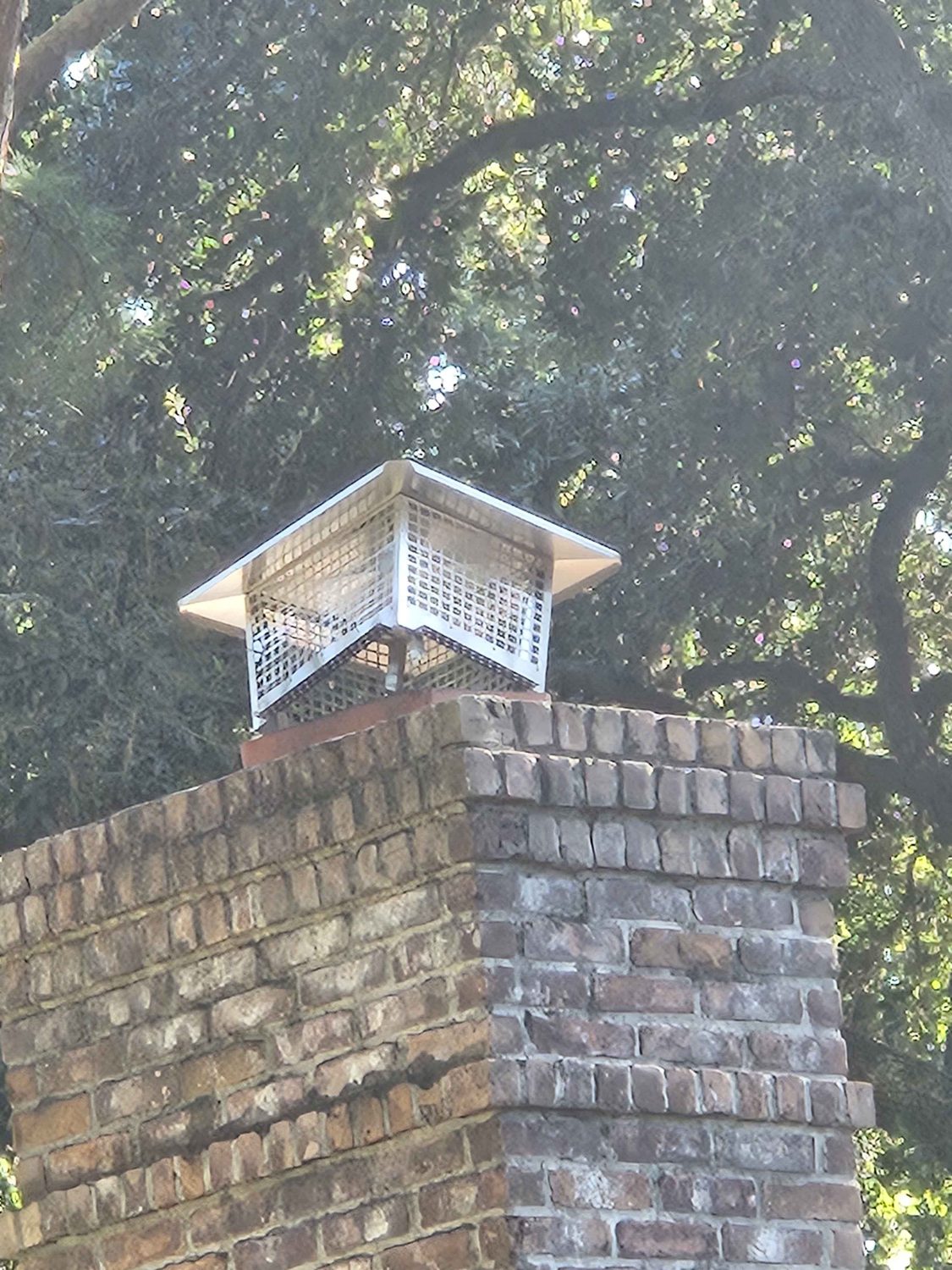
Texas A&M’s urban entomology program lists Harris County among the counties where Formosan termites have been found, and says a single colony can top a million insects. Shed wings on a sill after a warm night in late spring, or a pencil-width mud tube on the foundation edge behind a shrub, are the two signs worth a photo. Our termite control page covers how treatment works.
Booking a visit
Every Cypress Creek Lakes visit starts with a free inspection of the house, the yard and the lot line along the water, and you get a written price before any product goes down. Nobody in Cypress Creek Lakes is asked to sign a long-term contract, and our 100% Service Guarantee stands behind each visit. Homes that want visits spread across mosquito season can move to one of the year-round programs.
Neighbors to the north in Bridgeland and to the south in Towne Lake deal with their own versions of lake country, and Blackhorse Ranch sits just across the golf course. Our Cypress page covers the rest of the area.
Frequently asked questions
The lake behind our house drops after a dry spell. Does that make mosquitoes worse?
It can. When a detention lake pulls back, it leaves shallow, weedy margins and puddles in the grass that hold water for days. Those edges, plus anything on your own lot that holds rain, are where we look first. Deep open water is rarely the source.
Who sprays the neighborhood for mosquitoes at night?
Public treatments in unincorporated Harris County come from the county's Mosquito and Vector Control Division, which runs them between 8:30 p.m. and 5 a.m. when the weather cooperates. Your backyard, beds and drains are private, and that is the part we treat.
Why do fire ant mounds keep popping up on the strip between our fence and the lake?
That strip is mowed on a schedule but otherwise left alone, and Texas A&M notes that frequent mowing tends to push colonies to move rather than die. Treating the whole lot, including the fence line, works better than chasing single mounds.
Do Formosan termites really show up this far west in Cypress?
Texas A&M lists Harris County as a county where Formosan termites have been detected, and Cypress Creek Lakes is in Harris County. Swarmers fly at night around late May and early June and gather at lights. Bag a few and send us a photo.
Is something living under our deck if we hear thumping at night?
Often, yes. Raccoons and opossums use the dry space under low decks, especially on lots that back onto water and open reserves. We confirm what it is, get it out and then close the opening so another animal cannot take its place.
Pest problem in Cypress Creek Lakes?
No long-term contracts, and service agreements are backed by our 100% Service Guarantee.
Because we are based in Spring, we can often come out the same or next day for urgent problems. Call before noon, Monday through Friday, for the best chance at next-day service.
Last updated