
Pest Control in Cypress Springs, Cypress
Cypress Springs is a cluster of about 1,800 house lots around Cypress Springs High School in unincorporated Harris County, roughly 18 road miles from our Spring office. Grassy storm basins that hold water after rain, compact lots and county termite records make mosquitoes, fire ants, roaches, mice and Formosan termites the usual work here.
Call 281-627-4810 Request a free inspection
Year-round protection plans from $70 Core · Premium · Legendary See the plans
Cypress Springs, Cypress on the map
Drive Fry Road north from FM 529 toward Longenbaugh Road and you pass street after street of Cypress Springs before you reach the high school that shares its name. The neighborhood is less a single plat than a family of them, and it has none of the big showpiece lakes that some Cypress communities are known for. What it has instead is a lot of grass, a lot of storm basins and a lot of houses close together.
Sections and lots
The Harris County Appraisal District parcel layer lists about 1,800 single-family lots carrying the Cypress Springs name. Roughly 820 sit in Cypress Springs sections 1 through 6, close to 870 in the ten sections of Canyon Village at Cypress Springs, and the rest in Cypress Springs South and the Enclave at Cypress Springs. Where the appraisal record gives a land area, the typical lot is about 6,600 square feet.
On OpenStreetMap, Fry Road runs through the neighborhood, FM 529 marks its south side, and Cypress Springs High School stands about a quarter mile north of the middle of the subdivision. The OSRM route from our office to that middle point runs 18.6 miles, about 33 minutes. Census TIGERweb puts it in Harris County, outside any city and outside any Census-designated place.
Storm basins, not lakes
OpenStreetMap shows a string of small retention basins threaded between the streets, such as this one and this one, tagged as intermittent because they sit dry between storms. Larger water lies farther out, including a seven-acre pond and a 13-acre basin a little over half a mile from the center, and the 35-acre Dinner Creek Park about three quarters of a mile away.
Dry basins matter more than they look. Texas A&M AgriLife’s article on post-rain mosquito booms explains that floodwater mosquitoes lay eggs in moist soil, where those eggs can last two to five years, and hatch when low ground floods. They bite hard from dawn to dusk. A basin that holds water for three days after a June storm is exactly that kind of ground. Container mosquitoes follow from gutters and buckets, then Culex from stale storm drains. Our mosquito control visits after wet weather start at the fence line nearest the basin and work back to the patio.
The Addicks watershed
The flood control district’s watershed boundaries place Cypress Springs in the Addicks Reservoir watershed. The district’s Addicks Reservoir page gives that watershed 138 square miles and names Bear, Horsepen, Langham and South Mayde creeks as its primary streams. Those basins between the streets are the first stop for water headed that way.
Fire ants in mowed turf
Basin floors, school fields and front lawns are all open, sunny, mowed grass. Texas A&M’s fire ant program says that is where mounds are most common, that regular mowing spreads colonies across many mound sites, and that disturbance drives them into undisturbed ground nearby. Ants also move into utility housings and electrical equipment, so the AC disconnect and the cable box by the driveway are worth a look. Ant control treats the full lot.
Close lots: roaches and mice
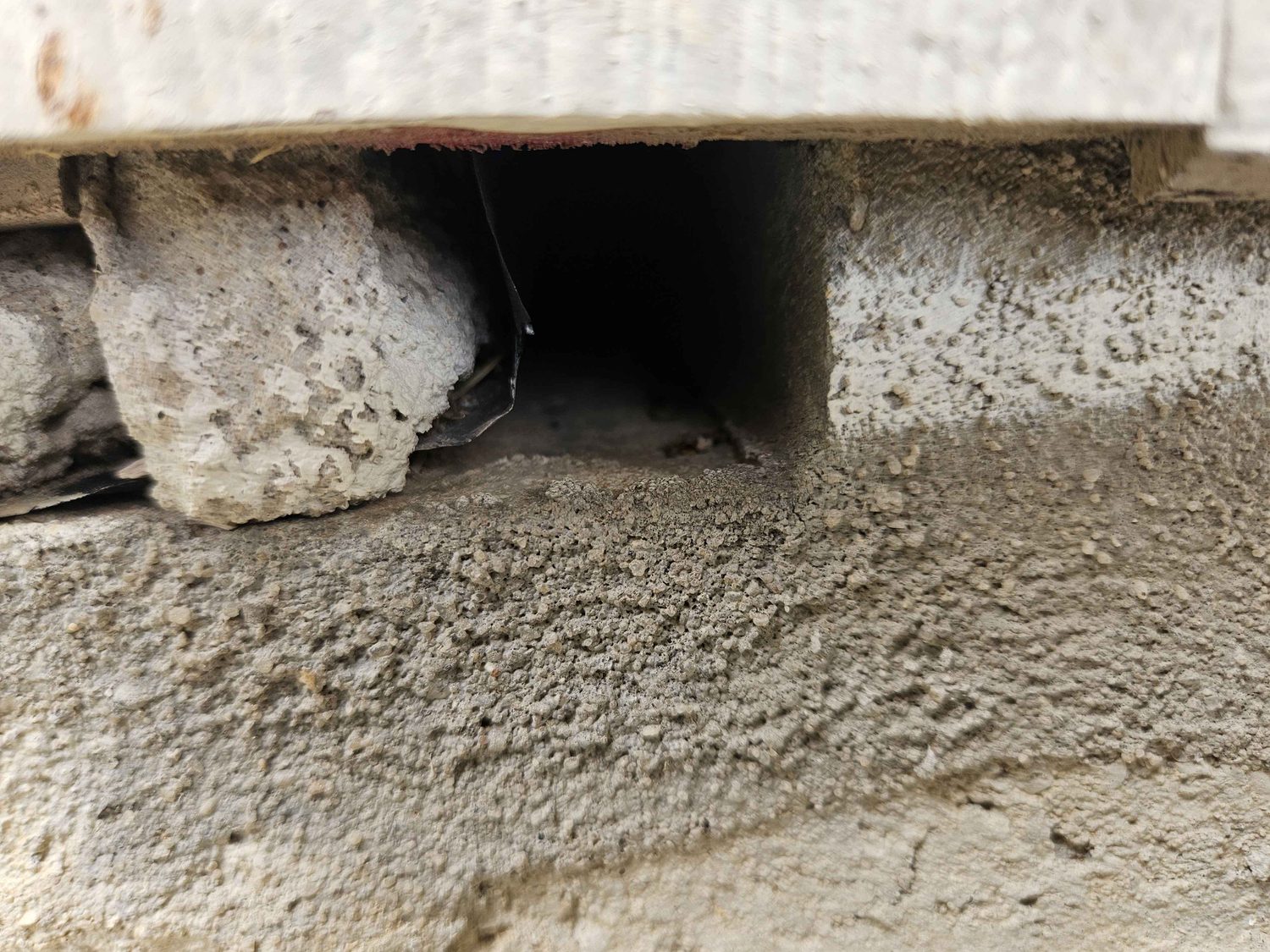
On a lot near 6,600 square feet, neighbors are a fence away. Texas A&M’s rodent IPM guide says a mouse needs only a hole the size of a dime to get in, and house mice need very little food or water to settle. Roaches use the same shared fences and mulch beds. Cockroach control and rodent control here both start at the outside walls.
Termites
Cypress Springs is in Harris County, one of the counties on Texas A&M’s list of confirmed Formosan termite locations. The page warns that a single colony can top a million termites and that swarmers appear at lights in late May and early June.
Harris County Public Health’s Mosquito and Vector Control Division treats public areas between 8:30 p.m. and 5 a.m., weather permitting, and maps its proposed treatment zones.
Booking a visit
It starts with a free inspection and a written price before any treatment. No long-term contract is involved, and our 100% Service Guarantee covers each visit. If you want regular service through the year, our core protection programs explain how it works.
A couple of miles north, Miramesa shares the Addicks watershed and the Fry Road corridor. More on the area is on our Cypress page.
Frequently asked questions
The grassy basin behind our street is dry most of the year. Can it still cause mosquitoes?
Yes, right after heavy rain. Texas A&M AgriLife says floodwater mosquitoes lay eggs in moist soil that can wait years for water, then hatch as soon as low ground floods. A basin that drains in a few days can still produce a burst of biters the following week.
Is Canyon Village part of Cypress Springs?
On paper it is a separate set of sections. The appraisal district records it as Canyon Village at Cypress Springs, alongside Cypress Springs sections 1 through 6, Cypress Springs South and the Enclave. Residents tend to treat the whole area as one neighborhood, and the pest picture is the same across it.
Why do fire ant mounds keep popping up in the same patch of lawn?
Mowing and foot traffic push colonies to shift into nearby ground that nobody disturbs, according to Texas A&M's fire ant program. Killing one mound sends the rest of the colony elsewhere. Treating the entire yard on a schedule stops that shuffle instead of chasing it.
Do we need to worry about Formosan termites in Cypress Springs?
It is worth knowing about. Harris County is on Texas A&M's list of counties where Formosan termites have been found, and their swarmers fly to lights on late-spring nights. Wings on a windowsill or mud tubes on the slab are the signs to report.
Pest problem in Cypress Springs?
No long-term contracts, and service agreements are backed by our 100% Service Guarantee.
Because we are based in Spring, we can often come out the same or next day for urgent problems. Call before noon, Monday through Friday, for the best chance at next-day service.
Last updated