
TAP Pest Control Insulation in Spring and North Houston
Thermal Acoustical Pest control (TAP) insulation is loose-fill cellulose from recycled paper, treated with boric acid and registered with the EPA as a pesticide. It insulates like other cellulose and kills insects such as cockroaches, ants and silverfish that crawl through it. It does not repel rats, squirrels or raccoons; those are kept out only by sealing the openings.
Call 281-627-4810 Request a free inspection
Year-round protection plans from $70 Core · Premium · Legendary See the plans

What to do, in order
| What it is | Loose-fill cellulose from recycled newsprint with borates added at the plant, blown in by machine |
|---|---|
| EPA registration | EPA Reg. No. 103652-1, active ingredient boric acid; earlier label shows orthoboric acid at 12.5 percent |
| Insects on the label | Cockroaches, ants, silverfish, earwigs, crickets, sowbugs, millipedes and centipedes, limited to those that contact it |
| Not on the label | Rats, mice, squirrels, raccoons, opossums, bats or any other mammal |
| Independent testing | Texas A&M's IPM Experience House installed it in 2017 but says AgriLife has not thoroughly tested it for pest control |
| What it costs | Free inspection, then a written price before work starts; attic size and any removal set the figure |
- Inspect the attic floor, measure the depth of what is there, and find any runways, nests or soiled patches.
- Get any animals out and close the openings they used before a single bag of new fill is opened.
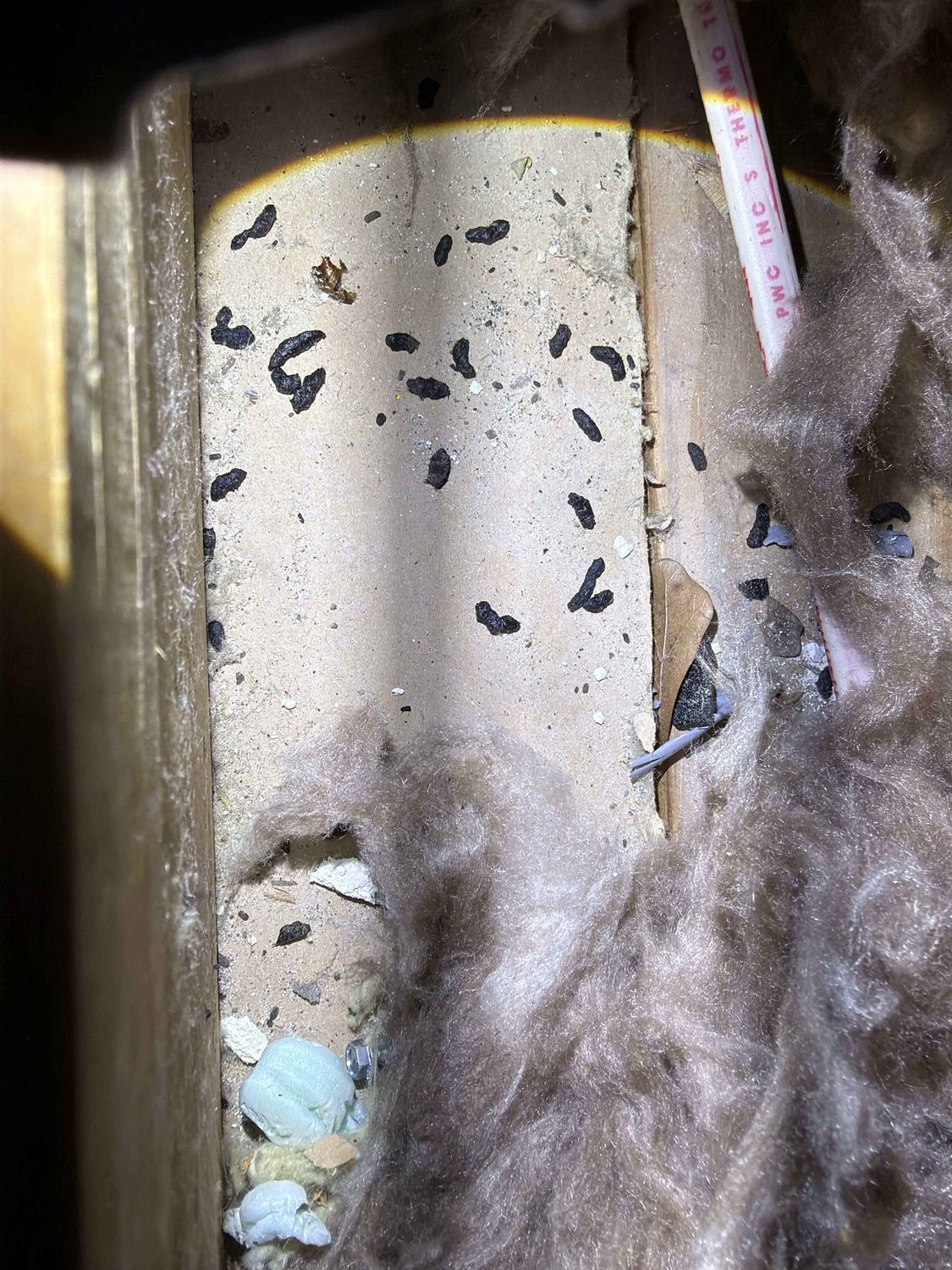
- Bag and remove insulation that holds droppings, urine or nesting, and clean the cleared joist bays.
- Set baffles or dams so the new fill stays off soffit vents, recessed lights, the flue and other heat sources.
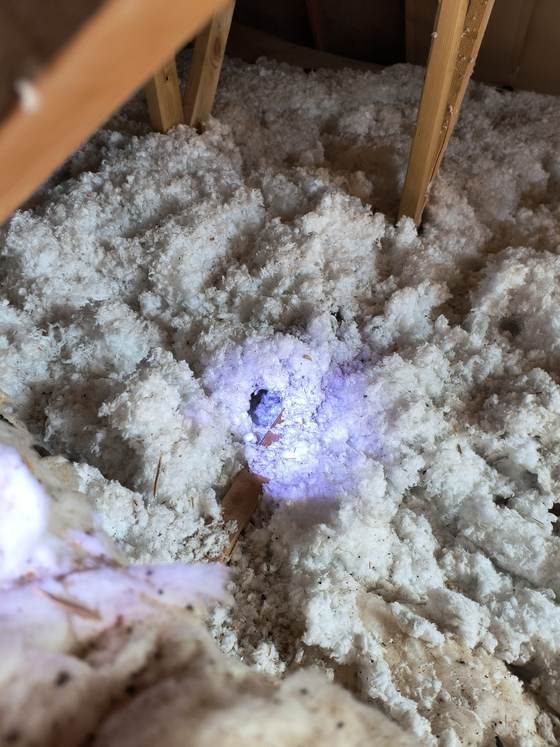
- Blow TAP by machine to the depth written on the quote, checking it with depth markers across the attic.
- Walk the finished floor from the hatch, confirm vents are open and fixtures are clear, then close up.
Where TAP fits in a pest company’s work
Most people hear about TAP from a salesperson, a neighbor, or an ad that makes it sound like an attic force field. The truth is narrower and more useful. TAP, short for Thermal Acoustical Pest control, is a blown cellulose insulation with an insect-killing borate built into the fibers. It goes into the same attic, by the same kind of blowing machine, as any other loose fill. The difference is that the bag carries a federal pesticide registration and a label that spells out what it is allowed to claim.
We install it because most of our insulation work in Spring and north Houston follows a rodent or wildlife job. Once the animals are out, the roofline is closed and the soiled material is gone, the attic needs new fill, and TAP adds an insect benefit to that refill. The broader removal and replacement service is described on our attic insulation page. This page is the deep look at the product itself.
What is in the bag
The manufacturer’s product overview says TAP starts as ground newspaper, and that the borate is bonded to the paper fibers while the product is made rather than sprinkled on later. The explanation it gives for the pest effect is grooming: an insect walking through the fibers collects borate on its body, cleans itself, and swallows the dose.
On its FAQ page, the company lists the registration number as EPA 103652-1 and describes the material as recycled paper with specially formulated borates, installed with a blowing machine. If you search that number in EPA’s pesticide product record, you will find boric acid named as the active ingredient, along with a note that the registration was transferred from Pest Control Insulation, LLC. That record is the place to check any installer’s claim that their product is “the EPA one.”
Reading the EPA label line by line
A pesticide label is a legal document. Whatever a seller tells you, the label is what the product is registered to do. The accepted label filed under the earlier registration is short, and five points on it matter to a homeowner.
The active ingredient and strength. Orthoboric acid makes up 12.5 percent of the product. The remainder is mostly the paper fiber that does the insulating.
The signal word. The label carries the word CAUTION. It is a pesticide, and the label expects it to be handled like one.
The pests. The listed targets are cockroaches, ants, silverfish, earwigs, crickets, sowbugs, millipedes and centipedes. Several of these are arthropods rather than true insects, but all of them are the small crawling kind.
The limit. The label states that control extends only to insects that come into contact with the insulation. A roach in your pantry that never travels into the attic is outside its reach.
The installation rules. Anyone applying it wears gloves, goggles and a particulate respirator. The fill must not block soffit vents or other attic ventilation, and it has to be held back from light fixtures and heat-producing equipment.
Nothing on that label mentions rats, mice, squirrels, raccoons or any other mammal.
What Texas A&M says, caveat included
The best local reference point is the IPM Experience House run by Texas A&M AgriLife, a demonstration home used to show integrated pest management in a real building. Its page on the TAP installation says the product was put in over part of the house’s attic in the summer of 2017, after the old fiberglass batts were pulled out.
The same page is candid about the evidence. It says Texas A&M AgriLife “has not thoroughly tested the effectiveness” of the product for pest control, while noting that borate compounds are known to add fire retardance and to work on pests as stomach poisons.
We think that caveat belongs on any honest page about TAP. It tells you two things at once. First, the chemistry behind the product is well understood: borates are a long-standing insect stomach poison. Second, a university extension program chose to demonstrate it without claiming to have measured how much pest pressure it removes from a whole house. Anyone promising you a specific drop in bugs is going beyond what the extension service has said.
How we install it in a north Houston attic
A typical attic around Spring, Klein or Tomball sits over a slab, has the air handler and supply ducts lying on or above the joists, and gets brutally hot by August. Those conditions shape the work.
The installation follows the order in the steps above. The point that trips people up is sequence. New insulation goes in after the animals are out and the openings are closed, never before, because fresh fill over an active entry is just new bedding. That sealing is the same work described under exclusion and repairs, and the common openings are covered on the roofline and soffit gaps page.
Depth is set by the target R-value on the quote. ENERGY STAR’s R-value table puts our zone at R49 for an attic starting from nothing, and recommends adding R38 where three or four inches already exist. Whether we top up or start over depends on what the inspection finds; our blown-in top-up page explains when adding over existing fill is reasonable, and the contaminated insulation removal page covers the cases where it all has to come out first.
Around the eaves, the fill stops short of the soffit vents so air can still move up under the roof deck. Around recessed cans, the furnace flue and any other heat source, it is held back the way the label requires. Those two rules are where careless installs go wrong, and they are worth checking from the hatch once the crew leaves.
Who TAP suits
TAP makes the most sense for a homeowner who already needs new attic insulation and lives where crawling insects are a steady background problem. In north Houston that describes most houses. Wooded lots, mulch beds against the slab and long humid summers keep roaches, silverfish, crickets and ants moving, and the attic is one of the places they travel and shelter. For that household, paying for loose fill that also works on insects is a reasonable upgrade over fill that does nothing to them.
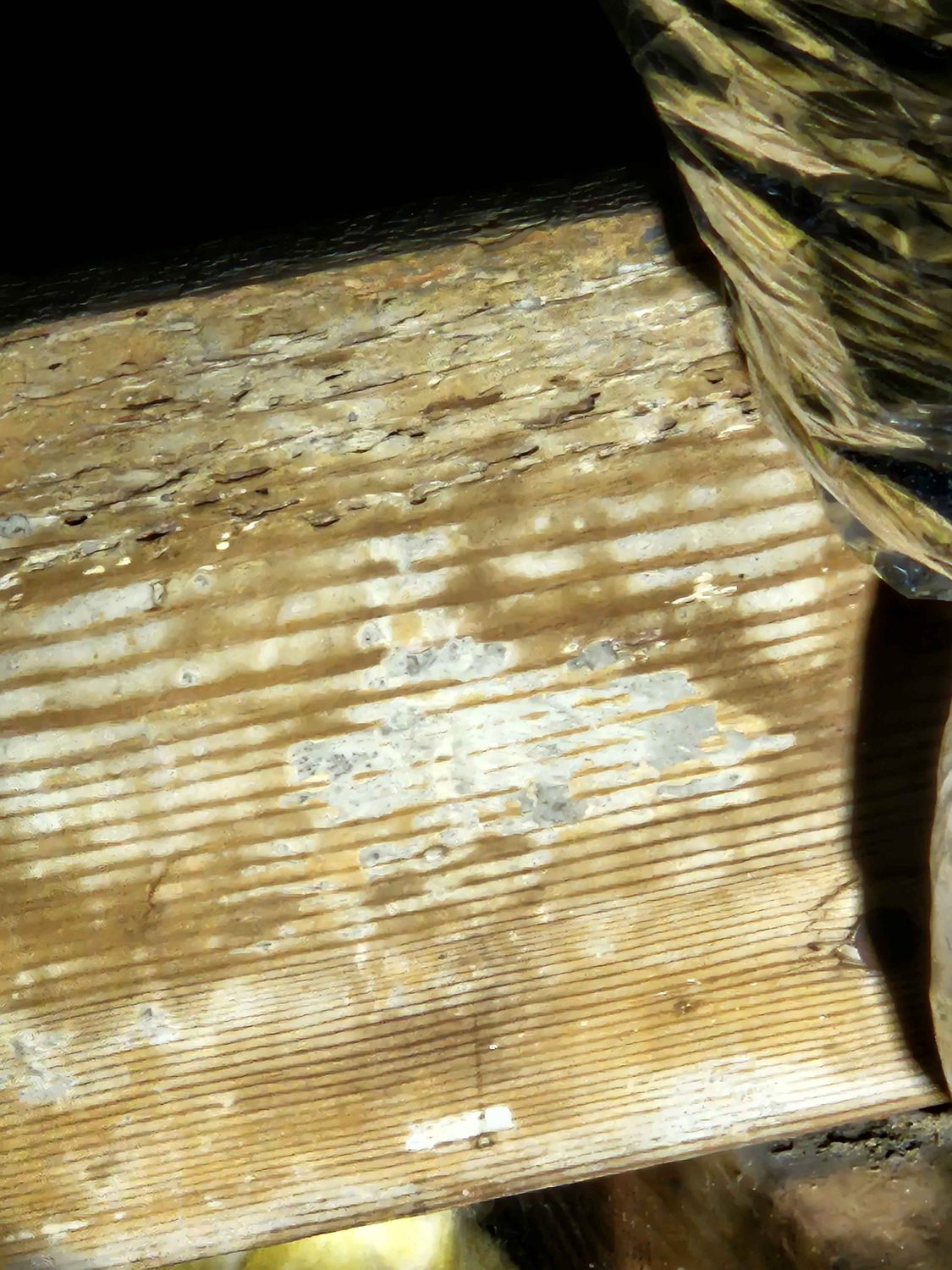
It also suits a house coming out of a rodent or wildlife problem. When the attic floor is being replaced anyway, the choice of what goes back down is open, and TAP is our standard refill.
It suits someone less well if their attic insulation is deep, dry and undisturbed. Tearing out good fill to swap in TAP for the insect benefit alone is hard to justify, and a regular cockroach control plan will do more about indoor roaches than any insulation can.
What TAP will not do
This is the part sellers skip, so we will say it as plainly as we can.
- It does not keep out rodents. Roof rats and mice tunnel through TAP the same way they tunnel through any other loose fill. Stopping them takes trapping and sealing, as described under rodent control and on our roof rats in the attic page.
- It does not repel squirrels, raccoons, opossums or bats. None of them appear on the label, and nothing about the product is designed to drive a mammal out. See squirrels in the attic and raccoon control for what actually works.
- It is not termite protection. Termites are not listed on the label, and attic fill sits far from where subterranean termites work. That is handled under termite control.
- It does not replace a pest program. It is one layer in one room of the house.
Is TAP insulation worth it: pros and cons
In its favor
- It is a real insulation first, so you lose nothing on the thermal side compared with other cellulose.
- The insect claim is backed by a federal registration, not just marketing copy.
- Loose fill packs around wiring and odd framing that batts leave gaps beside.
- It goes over sound existing insulation without a full tear-out in many attics.
- Borates are known to add fire retardance, as the Texas A&M page notes.
Against it
- Independent testing of the whole-house pest effect is thin, by Texas A&M’s own account.
- It does nothing about mammals, which cause most of the attic damage we see.
- Like any loose fill, it can settle and gets disturbed when people work in the attic.
- It works only on insects that physically reach the attic floor.
For a side-by-side look at the other materials, read TAP vs cellulose vs fiberglass.
Questions to ask any installer, including us
- Can you show me the EPA registration number on the bag, and does it match EPA’s record?
- What R-value and settled depth is the quote written to, and how will I see that depth afterward?
- How will you keep the fill off my soffit vents and away from can lights and the flue?
- Is any of my current insulation being removed, and if so how is it bagged and disposed of?
- Have the openings animals used been closed, and who is responsible for that work?
- What does your guarantee cover, and what does it exclude?
On the last one, our 100% Service Guarantee covers the insulation work, and its published terms exclude pest damage done before or after the job.
Before you decide
If you are weighing the cost, the attic insulation cost page explains what moves the price, and our rebates and tax credits page covers what incentives a Houston homeowner can and cannot claim this year. To have someone look at the attic and tell you whether TAP makes sense for your house, contact us for a free inspection.
Frequently asked questions
Is TAP insulation worth it compared with ordinary cellulose?
If you are replacing or adding loose fill anyway, the borate treatment adds an insect benefit to a job you were already paying for. If your only problem is rats or raccoons, the money is better spent first on sealing, because TAP does nothing about mammals.
Will TAP get rid of the cockroaches I see in my kitchen?
Probably not by itself. The label limits control to insects that touch the insulation, and kitchen roaches live in cabinets, walls and appliances. Indoor roach work is a separate service; TAP helps with insects living or traveling through the attic.
Can TAP be blown over the insulation I already have?
Often, yes. The maker says it can go over existing insulation. The exception is fill that animals have soiled or torn up, where the maker notes removal may be the better choice. The inspection tells you which case you are in.
Why do the installers wear respirators if it goes in my house?
The EPA-accepted label requires applicators to wear gloves, goggles and a particulate respirator while handling and blowing the product. Blowing any loose fill makes dust, and the label is written for the person in that dust all day.
Do you install spray foam or radiant barrier instead?
No. We install TAP, usually as part of cleaning up after rodents or wildlife. Our comparison page explains spray foam and radiant barrier honestly so you can weigh them, but those are jobs for a different kind of contractor.
Attic Insulation in north Houston?
No long-term contracts, and service agreements are backed by our 100% Service Guarantee.
Because we are based in Spring, we can often come out the same or next day for urgent problems. Call before noon, Monday through Friday, for the best chance at next-day service.
Last updated