
Contaminated Attic Insulation Removal in Spring and North Houston
Insulation fouled by rats, squirrels or raccoons is removed by bagging it in place, not by sweeping or vacuuming, which the CDC warns can put particles in the air. In north Houston we get the animals out and seal the entry points first, then remove the soiled fill, clean the attic floor and reinsulate.
Call 281-627-4810 Request a free inspection
Year-round protection plans from $70 Core · Premium · Legendary See the plans
What to do, in order
| Who it is for | Homes and commercial buildings in Harris and Montgomery counties where rodents or wildlife have nested in the attic insulation |
|---|---|
| Removal method | Soiled fill is dampened, bagged in the attic and carried out sealed; it is not swept, raked loose or vacuumed |
| Comes before removal | Animals out and entry points sealed, so the cleared attic is not reoccupied while it is open |
| Quoted separately | Wiring, ductwork, drywall or framing that animals damaged; past pest damage is outside the guarantee terms |
| What it costs | Free inspection, then a written price before work starts; how much fill has to come out drives most of it |
- Confirm nothing is still living in the attic and close every opening the animals used before any insulation is disturbed.
- Lay a covered path from the attic hatch to the nearest outside door so nothing drops on carpet or furniture on the way out.
- Wet the droppings, urine stains and nest material with disinfectant and let it soak before anyone handles them.
- Pack the soiled insulation into heavy plastic bags inside the attic, seal each bag up there, and carry it out closed.
- Clean and disinfect the bare ceiling drywall, joists and top plates once the old layer is gone.
- Write down any chewed wire, torn duct wrap or stained drywall found under the old fill and price that repair on its own line.
- Blow in new TAP insulation across the cleared area to the depth written into the quote.
Is it one dirty corner or the whole attic?
Most people who call us have already looked through the hatch and seen something wrong, but a flashlight from the ladder only shows the first few feet. The free inspection is about mapping how far the contamination actually runs before anyone talks about removal.
There are two broad patterns.
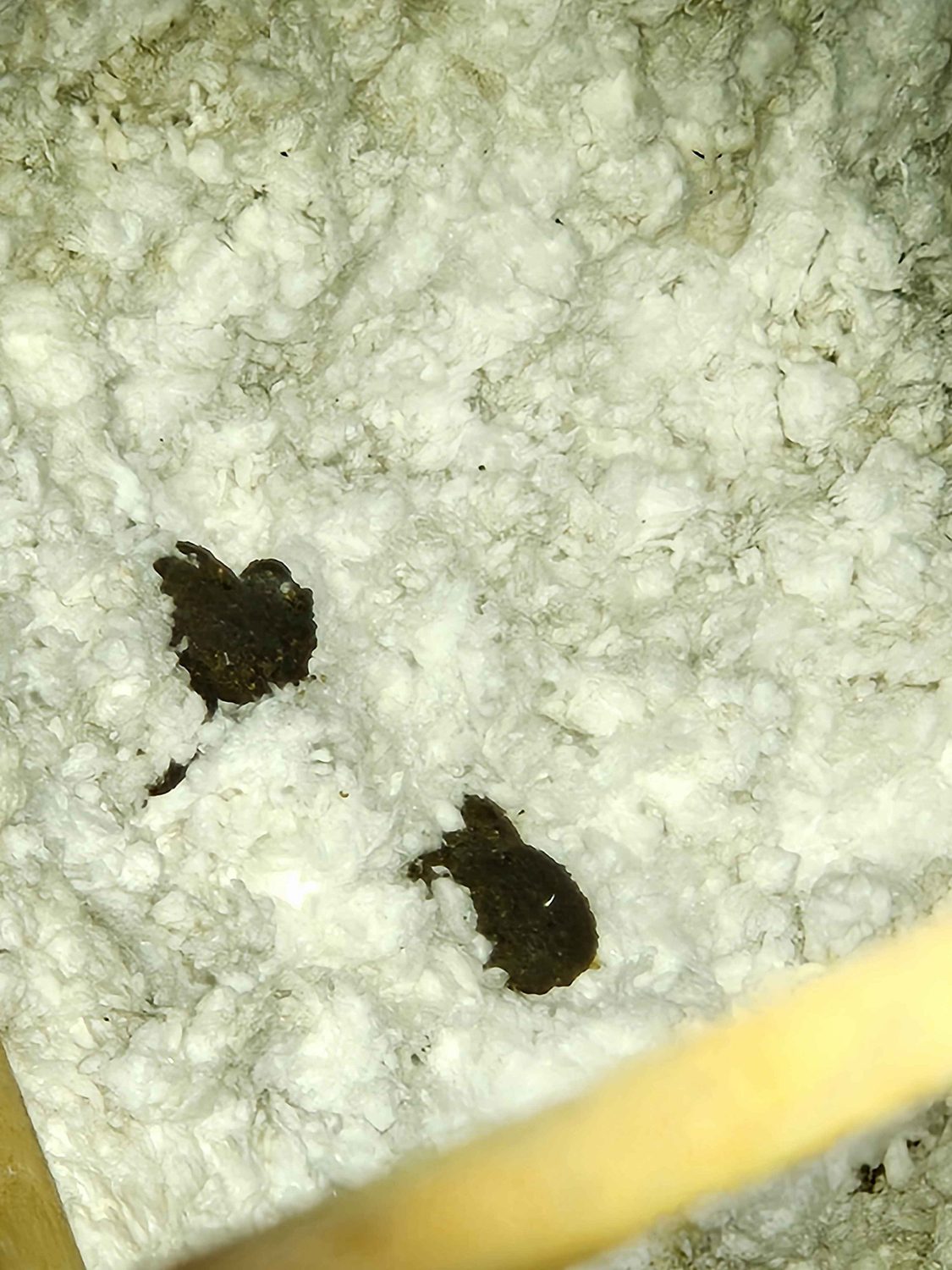
Local soiling. A short stay by a few mice, a squirrel nest tucked against one gable, or a single raccoon toilet in the far corner. The damage sits in one area, the rest of the floor is dry and level, and the runways are short. Here we take up the soiled section with a margin around it, bag it, clean the exposed ceiling and refill that area to match the depth around it.
Whole-attic contamination. Roof rats that have used the attic for a year or more, or a raccoon family that raised a litter up there. Trails cross the attic in several directions, urine stains show up far from the nest, droppings are mixed down into the fill rather than sitting on top, and the smell is present across the space rather than in one spot. Patching that kind of attic leaves contaminated fill in place under the new layer, so the honest answer is a full removal.
A few things push us toward the larger job: urine that has wicked down to the drywall paper, droppings found at the far end from the entry, a second nest site, or an animal that died somewhere in the fill. A few things keep it small: one entry, a short occupation, and a clear line where the fresh fill starts. We write down which case you have and the quote follows from that, so you are not paying for a tear-out on an attic that needs a corner.
Why soiled insulation comes out in bags
Loose fill is the worst material in the house to clean up carelessly. It is light, it is full of fine fibers, and when an animal has lived in it the droppings and dried urine are worked through it rather than lying on top. Rake it or blow it and all of that goes airborne inside a closed attic, then drifts down through the hatch and any gaps around ceiling fixtures.
The CDC’s guidance on cleaning up after rodents is specific about this. It says contaminated insulation that is exposed should be put in plastic bags to be removed, and it tells people not to sweep or vacuum droppings, urine or nesting material, because doing so lifts virus particles into the air. The same guidance calls for extra precautions in buildings with a heavy infestation, which is exactly what a long-occupied attic is.
So the method on our jobs is deliberately low-tech. Droppings and nest material are wetted with disinfectant first and left to soak. The fill is gathered by hand into heavy contractor bags in the attic, each bag is closed before it moves, and the sealed bags are carried down a covered path and out of the house for disposal. It takes longer than a vacuum hose, and that is the point.
Raccoon material gets one extra layer of care. The CDC’s page on raccoon roundworm prevention says contaminated material should be removed and burned, buried or sent to a landfill. For a home in Spring or Tomball, sealed bags bound for landfill is the realistic route of those three.
What the crew wears, and why
The Texas Department of State Health Services’ hantavirus FAQ explains that the illness spreads through contact with the urine, droppings or saliva of infected rodents. For heavily affected areas it points to an N100 mask or a respirator fitted with N100 or HEPA filters, and it says an ordinary N95 may give only partial protection.
That guidance sets the floor for gear in a rodent attic: a respirator matched to the level of contamination, gloves, eye protection and coveralls that come off before the crew walks back through the house. None of it makes the material harmless. It limits how much of it reaches the person doing the work, and it keeps it from riding out of the attic on clothing.
August makes all of this harder. An attic over a north Houston slab home can run far hotter than the rooms below it, and a sealed respirator and coveralls add to the heat. Removal work is scheduled early in the day where possible, with breaks taken out of the attic.
The order of work
The sequence is what keeps the new insulation clean. Do it out of order and you pay twice.
- Animals out. Removal does not start over an occupied nest. Rats are handled under rodent control, squirrels under squirrel control, and raccoons under raccoon control.
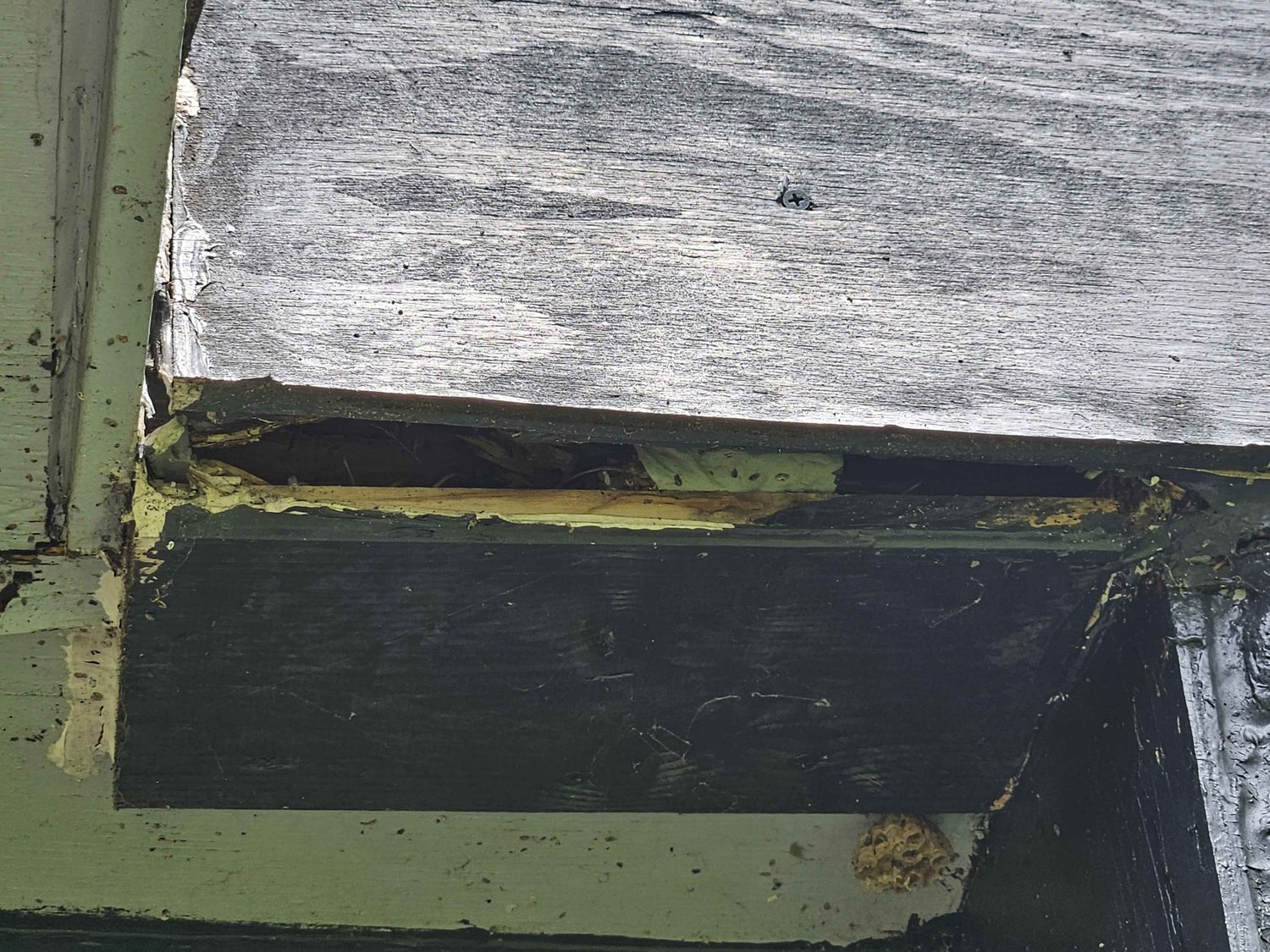
- Seal the entries. Every opening found at the inspection is closed, the same work described on our exclusion and repairs page. An open soffit return over a freshly cleared attic is an invitation.
- Remove. Dampen, bag, seal, carry out. The attic floor ends up as bare drywall between the joists in the cleared area.
- Clean. With the old fill gone, the exposed surfaces are disinfected and any remaining droppings picked up. The deeper version of this step, for raccoon latrines and bat guano, has its own page on attic cleanup and decontamination.
- Reinsulate. New TAP insulation is blown in over the cleaned area. What TAP is and what its label does and does not cover is laid out on our TAP pest control insulation page. It works on insects that contact it. Keeping animals out is the sealing work’s job, not the insulation’s.
What turns up under the old insulation
Clearing the attic floor shows things that were hidden for years. The common finds in rodent and raccoon attics are:
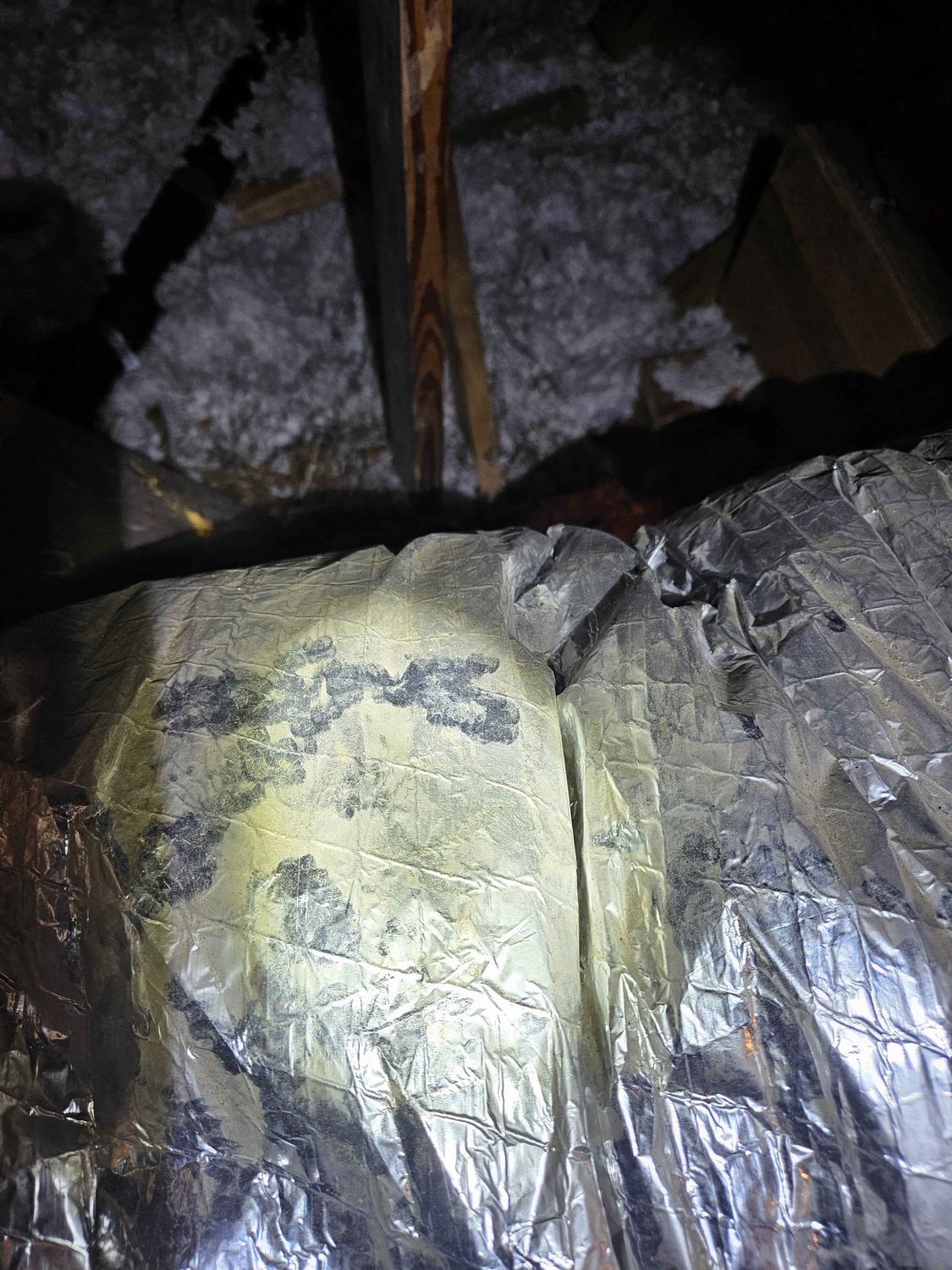
- Chewed wiring. Rats gnaw sheathing along their runways. Exposed copper needs an electrician before anything covers it again.
- Torn duct wrap and crushed flex duct. Raccoons bed on ductwork, and rodents chew the outer jacket. Leaking supply air into a hot attic is money lost every hour the air conditioner runs.
- Stained or sagging drywall. Urine soaks through to the ceiling paper. A stain that has spread or softened the board may need patching from below.
- Gnawed framing and vent boots. Usually minor, sometimes the reason an entry point kept reopening.
Any of these is photographed and shown to you, then priced as a separate line or referred to the right trade. The insulation work is covered by our 100% Service Guarantee, and those published terms leave out repairs to damage the pests had already done. We would rather tell you that up front than have it surprise you when the drywall stain is still there after the job.
Why this is a poor do-it-yourself project
People do try it, usually with a shop vacuum and a box of dust masks. The problems tend to stack up in the same order.
- The air. A shop vacuum without the right filter exhausts fine particles straight back into the attic, which is the exact outcome the CDC guidance warns about.
- The mask. A paper dust mask is not a respirator, and DSHS describes even an N95 as limited in a heavily soiled area.
- The footing. Joists are hidden under the fill. One step between them and your foot is through the ceiling of the room below.
- The heat. Hours of work in a summer attic, in protective gear, is a real heat-illness risk.
- The carry-out. Every bag goes through the house. One split bag on the stairs moves the contamination into carpet.
- The order. Removing fill before the entries are sealed just clears the floor for the next animal.
If you want to help, the useful work is outside: trim limbs back from the roof, note any torn vent screens you can see from the ground, and keep food out of the garage. Leave the attic floor alone until the inspection.
Homes, garages and commercial attics
Over a typical house the job is one attic, sometimes with a separate space over the garage that animals favor because it is quieter. The garage attic often has the worst soiling and the least insulation worth saving. On commercial buildings the sequence is the same but the logistics change: removal has to be scheduled around occupants, bags may need a different exit route, and a large space can be done in sections. Our commercial page covers how we work with property managers.
Where to go next
If you are still deciding whether your attic needs this at all, our checklist of signs attic insulation needs replacing walks through what to look for from the hatch. If the old layer is clean but thin, a blown-in insulation top-up may be all you need. What drives the price of a removal is explained on attic insulation cost, and the full service is on the attic insulation page.
We work across Harris and Montgomery counties, from Spring and Klein to The Woodlands and Conroe. To have the attic looked at and the removal priced in writing, contact us.
Frequently asked questions
Do you have to take out all of the insulation, or just the dirty part?
Only what is soiled, if the soiling is confined. A latrine corner or one nest site can be lifted out and bagged with a margin around it. When runways and urine stains reach most of the attic floor, a full tear-out costs less in the end than chasing patches.
Why can't the old insulation just be vacuumed out?
Because the CDC's cleanup guidance says droppings, urine and nest material should not be swept or vacuumed, since that puts contaminated particles into the air you are breathing. Bagging dampened material by hand is slower, but it keeps the mess inside the bag rather than in the house.
What happens if you find chewed wires under the insulation?
We stop, show you, and write it down. Electrical, duct and drywall repairs are not part of the insulation price, and the guarantee terms exclude damage the animals did before we arrived. Bare or chewed wire is a job for an electrician before new insulation covers it.
Can I stay in the house while the insulation is removed?
Most families do, because the work stays in the attic and the bags leave sealed. We cover the path from the hatch to the door and keep the hatch closed between trips. If anyone in the house has a breathing condition, tell us at the inspection so we can plan around it.
Is it cheaper to remove the insulation myself and pay only for the new fill?
It can look that way, but it puts you in a hot attic stirring up rodent waste without the respirator Texas health officials describe for heavy contamination. A torn bag on the stairs also spreads the problem into the living space, which turns a removal into a cleanup.
Attic Insulation in north Houston?
No long-term contracts, and service agreements are backed by our 100% Service Guarantee.
Because we are based in Spring, we can often come out the same or next day for urgent problems. Call before noon, Monday through Friday, for the best chance at next-day service.
Last updated