
Attic Cleanup and Decontamination in Spring and North Houston
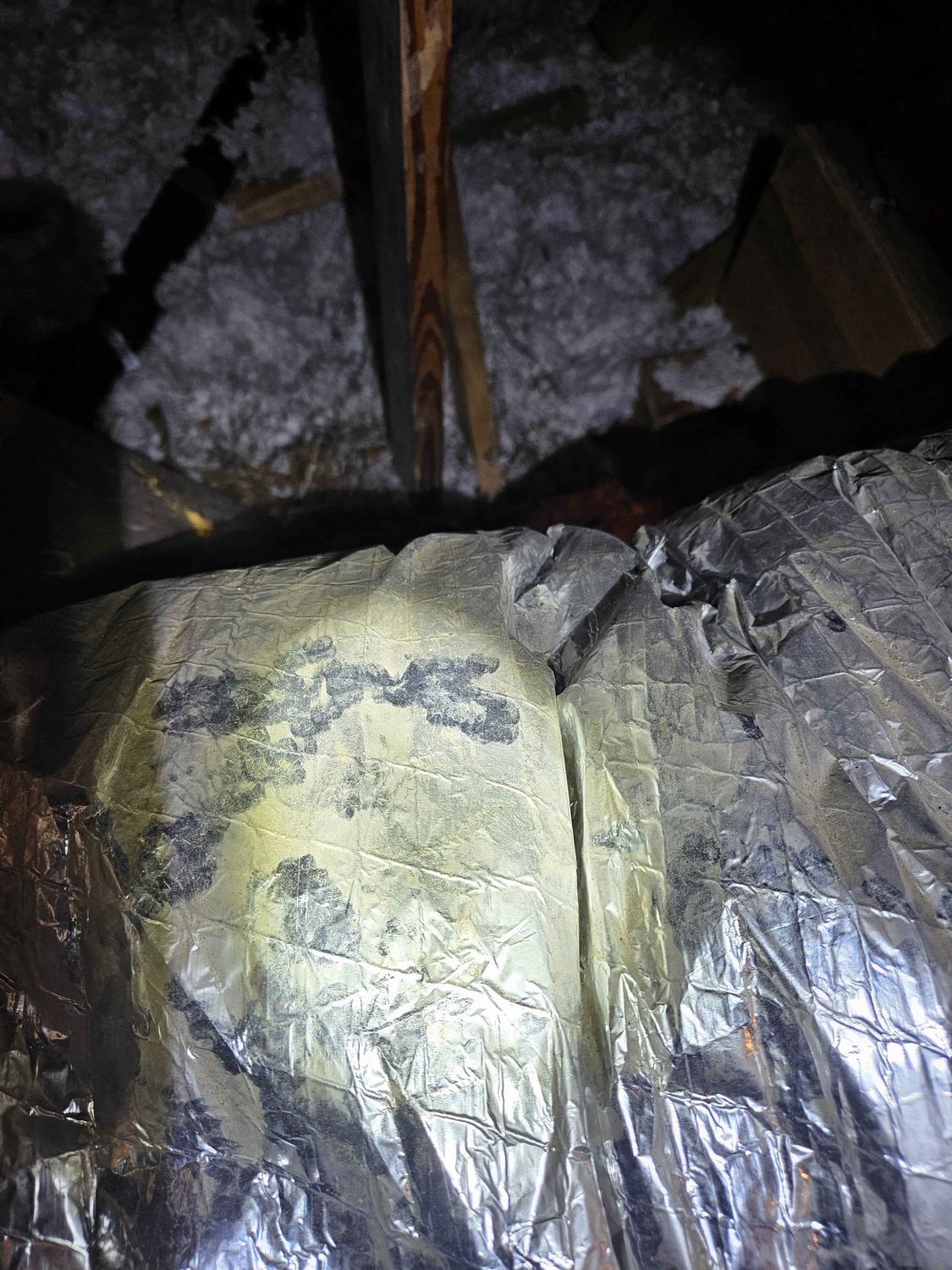
Attic cleanup means removing droppings, urine-soaked material, nests and latrines after the animals are out and the openings are sealed. Each animal leaves a different mess: rat waste can carry hantavirus, raccoon feces can hold roundworm eggs most chemicals will not kill, and bat guano can grow the histoplasmosis fungus. Soiled insulation usually goes with it.
Call 281-627-4810 Request a free inspection
Year-round protection plans from $70 Core · Premium · Legendary See the plans
What to do, in order
| Animals covered | Roof rats, mice, squirrels, raccoons, opossums and bats in residential and commercial attics across Harris and Montgomery counties |
|---|---|
| Main risks | Hantavirus from rodent urine and droppings, raccoon roundworm eggs in raccoon feces, and histoplasmosis spores from bat droppings |
| Never used | Brooms, leaf blowers or ordinary vacuums on droppings, urine or nest material |
| Comes first | The animals out and the openings sealed; cleaning an attic that is still being used just resets the clock |
| What it costs | Free inspection, then a written price before work starts; the animal, the spread of waste and any insulation removal set it |
- Make sure every animal is out and every entry is closed, so the attic is not soiled again while it is being cleaned.
- Seal off the attic hatch and any open ceiling fixtures from the living space before work starts.
- Soak droppings, guano and urine stains with disinfectant and leave them to sit before they are picked up.
- Lift out latrine material, nests and debris by hand into heavy bags, then seal and remove the bags from the house.
- Take out insulation that is soaked, matted or holding waste, and bag it the same way.
- Disinfect the exposed joists, top plates and decking, then let the attic air out before deciding on new insulation.
What an animal leaves behind in an attic
By the time anyone calls about cleanup, the animal itself is often gone or on its way out. What stays is the mess: droppings on top of and inside the insulation, urine soaked into the fill and the decking, nests built from torn insulation, leaves and paper, food scraps, and in some attics a dead animal. North Houston heat makes all of it worse, because an attic that bakes through the afternoon drives odor down into the house through the hatch, can lights and return grilles.
Cleanup is not a deodorizer job. The goal is to get the waste out of the attic, not to cover the smell for a week. That means removing material, not treating it in place, and doing it in an order that does not put dried waste into the air.
How each animal’s mess is different
The animal tells us where to look and how much is likely to come out.
Roof rats and mice spread their waste along the routes they travel. Droppings line the top plates and the runways worn into the insulation, and urine marks follow the same paths. Nests sit in a protected spot, often against the warm side of the air handler or low under the eaves. A rat attic is rarely one dirty spot; it is a network. Our page on roof rats in the attic explains how they get up there in the first place.
Squirrels leave less urine than rats but more debris. Expect leaf and twig nests, shredded insulation, pecan and acorn shells, and chewing on the wood around their hole. The nest is usually close to the entry. See squirrels in the attic for the daytime noise and the usual openings.
Raccoons are heavy and messy. They flatten a wide area of fill where they sleep, tear duct wrap, and pick one or two places as a latrine, where feces pile up over weeks. The latrine is the most important thing in a raccoon attic and gets handled differently from everything else, as covered below and on the raccoon control page.
Opossums tend to settle in one sheltered area near where they came in, often over a garage or a low porch roof. They bring in nesting debris and leave droppings and urine around the den rather than across the whole space. Removal and the openings they use are covered under opossum control.
Bats roost along the ridge or at the gable ends and drop guano below the roost. Over a season that becomes a pile on the insulation directly under where they hang. Bats have their own exclusion timing, explained on our bat exclusion page, and the guano cleanup waits until the colony is out.
Hantavirus and rodent waste
The Texas Department of State Health Services, in its answers on hantavirus, says people get the illness by contact with urine, droppings or saliva from infected rodents. For spaces with heavy rodent activity, it says an N100 mask or a respirator with an N100 or HEPA filter may be called for, and that an N95 offers only some protection in those conditions.
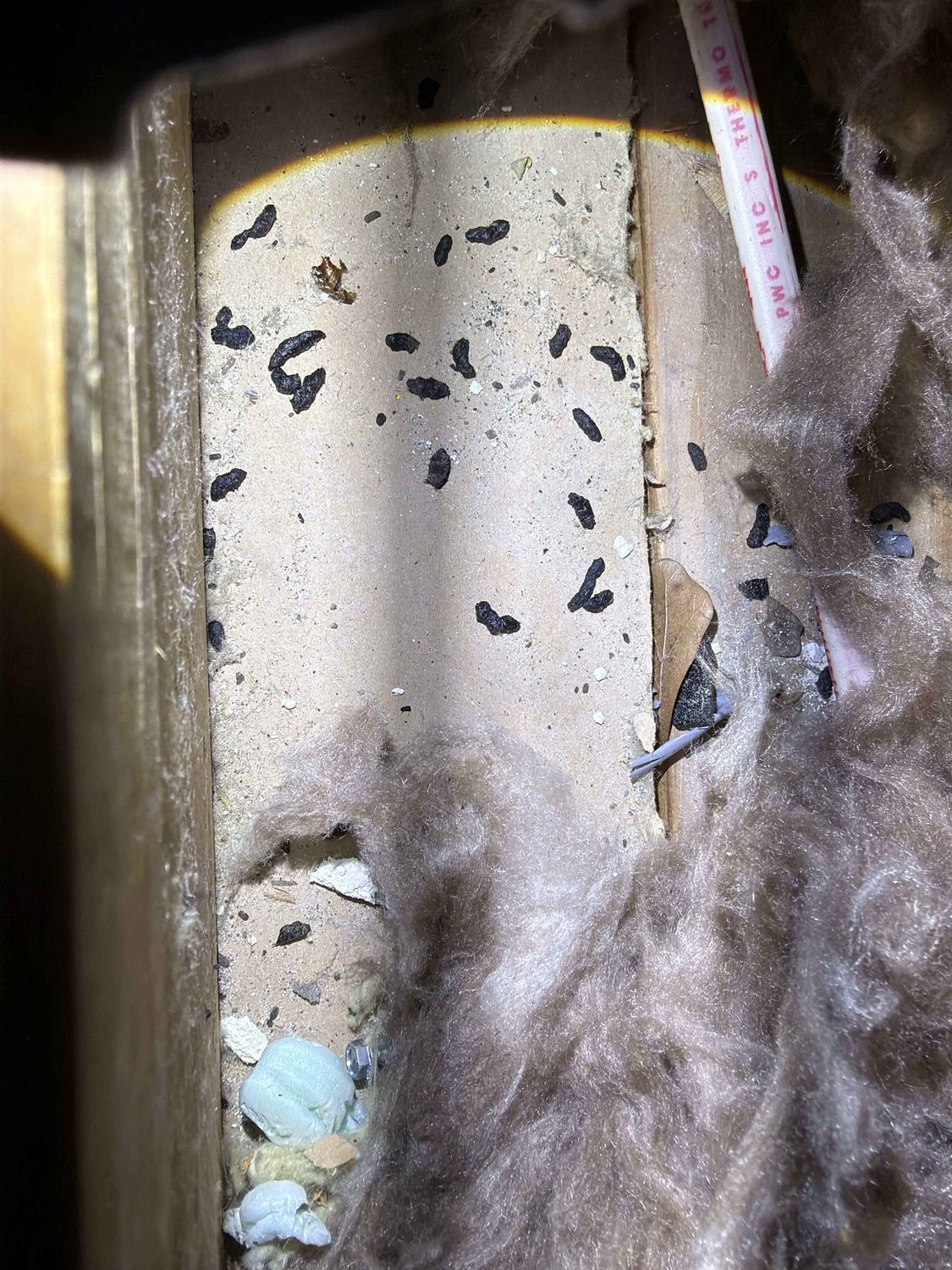
The CDC’s rodent cleanup page turns that into method. Droppings, urine and nests are not swept or vacuumed. They are wetted down first, picked up, and bagged, and exposed insulation that is contaminated is bagged for removal too. The CDC adds that a heavy infestation calls for more than the basic precautions, which in practice describes most rat attics we see in Klein, Spring and Cypress.
Raccoon roundworm and latrines
Raccoon feces can carry the eggs of a roundworm called Baylisascaris. The CDC’s overview of the parasite says people become infected by swallowing the eggs, and that the eggs need two to four weeks in the environment before they can infect anyone. That delay matters in an attic. An old latrine is not safer than a fresh one; it is the material most likely to be infectious.
The CDC’s prevention guidance lists attics among the places raccoon feces are found and makes three points that shape the cleanup:
- Chemicals are not the answer. Most of them do not kill the eggs, so a spray-and-wipe approach leaves the risk in place.
- Material has to go. Feces and anything contaminated by them are removed and burned, buried or taken to a landfill.
- Breathing protection. An N95 respirator is advised for cleaning in a confined space such as an attic.
The overview page also says surfaces can be treated with boiling water or a propane flame-gun to destroy the eggs. That works on a concrete patio. In an attic built from dry lumber and paper-faced drywall, open flame is a fire risk, so in an attic the weight falls on getting every scrap of latrine material out and bagged. Nobody should take a torch into an attic to deal with this on their own.
Bat guano and histoplasmosis
The CDC’s page on histoplasmosis explains that the fungus lives in the environment and spreads in soil mixed with bird or bat droppings, and that people catch it by breathing in the spores. Most people who breathe them never get sick. The risk climbs with the amount of dust raised, which is why dry guano is dampened before it is touched and bagged rather than scooped into the air. Guano that has sifted down into loose fill is not separable from it, so the insulation under a roost almost always comes out with it.
The order of work
Each step depends on the one before it. Skip ahead and you end up paying for part of the job twice.
- Animals out and openings closed. Cleanup starts after removal and exclusion and repairs, never before.
- Contain. The hatch and any open fixtures are closed off so attic air and dust stay in the attic.
- Wet down. Droppings, urine stains and guano are soaked with disinfectant and left to sit.
- Remove. Latrines, nests, debris and soiled insulation go into heavy bags, sealed before they move.
- Disinfect. Exposed framing and decking are treated once the material above them is out.
- Air out and assess. With the attic open to view, we can see what the animals damaged and how much insulation the space now needs.
When insulation has to go, and when it can stay
Insulation can stay when the waste is on top of it, in a limited area, and the fill underneath is dry, level and clean. Picking up the droppings and treating that area is enough.
It has to go when:
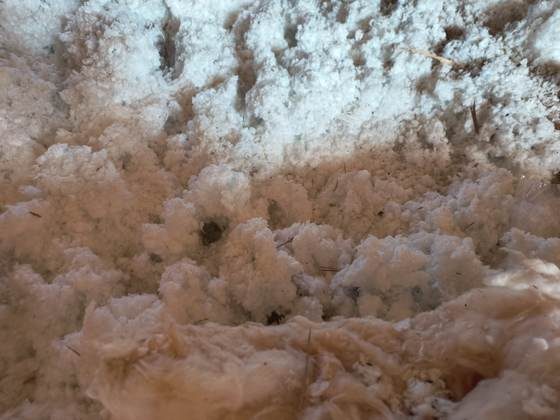
- urine has soaked into it, which you can usually smell and often see as yellow or brown staining;
- droppings or guano are mixed down through it rather than sitting on top;
- it sits under a raccoon latrine or a bat roost;
- animals have tunneled or nested in it, crushing its depth.
The removal itself is described on our page about contaminated insulation removal. Once the attic floor is clean, the new layer goes in, and our attic insulation page covers the TAP product we use. Anything the animals damaged, such as chewed wiring or crushed ducts, is quoted separately; our 100% Service Guarantee terms do not extend to pest damage done before the work.
Odor, and why it hangs on
Most callers rank smell first. The smell in a soiled attic comes from urine held in porous material, and it gets stronger as the attic heats. Air fresheners and ozone machines do not reach urine that is soaked into fill and wood. Removing the soaked material and cleaning the surfaces under it is what makes the difference. A dead animal is the exception that needs finding, and it is often under insulation near a wall or eave, close to where it was last active.
What to do before the cleanup visit
A few things help, and a few make the job bigger.
- Close the hatch and leave it closed. Weatherstrip it if it rattles, so hot attic air is not pulled into the hallway below.
- Keep kids and pets out of the garage attic and any storage space where boxes sit near droppings.
- Do not move stored boxes around if animals have been in them. Leave them where they are and let them be checked with the rest of the attic.
- Skip the shop vacuum and the leaf blower. Both put dried waste into the air, which is what the CDC rodent guidance tells people not to do.
- Note where the smell is worst and which rooms get stains or noise. It shortens the search for latrines, nests and anything that died up there.
- Wash your hands after handling anything that came down from the attic, and keep stored attic items away from the kitchen.
Homes and commercial buildings
Restaurants, offices and warehouses with an attic or drop-ceiling plenum get the same sequence, with work planned around open hours and any food areas covered or closed. The commercial page has more on how that is arranged.
Getting started
If you are not sure what has been living over your ceiling, our list of signs attic insulation needs replacing is a good first read. We work across north Houston, including Tomball, Cypress, Kingwood and Humble. To book a free inspection of the attic and get the cleanup priced in writing, contact us.
Frequently asked questions
Can I just spray the raccoon droppings with bleach and leave them?
No. The CDC says most chemicals do not kill raccoon roundworm eggs, so spraying a latrine does not make it harmless. The feces and the material under them have to be physically removed and sent to be burned, buried or landfilled, and the spot treated afterward.
How long does the smell last after the animals are gone?
As long as the source stays. Odor in a north Houston attic comes from urine in the insulation and decking, and the heat drives it out every afternoon. Once the soaked material is removed and the surfaces cleaned, the smell usually fades over the following days as the attic airs out.
Do I need new insulation after an attic cleanup?
Not every time. Where droppings sat on top of dry, level fill in one area, that area can be cleaned and the rest left alone. Insulation that is soaked, tunneled or holding guano or a latrine comes out, because there is no way to clean waste out of loose fill.
Is bat guano in the attic dangerous?
It can be. The CDC explains that the fungus behind histoplasmosis grows in bat and bird droppings and that people catch it by breathing in spores. Most people who breathe them never get sick, but stirring dry guano in a closed attic is the way to raise the dose.
Do you clean up after opossums too?
Yes. Opossums den in attics and leave droppings, urine and dragged-in debris, usually in one sheltered area near where they got in. The cleanup follows the same order as for other animals, after the opossum is out and the opening is closed.
Attic Insulation in north Houston?
No long-term contracts, and service agreements are backed by our 100% Service Guarantee.
Because we are based in Spring, we can often come out the same or next day for urgent problems. Call before noon, Monday through Friday, for the best chance at next-day service.
Last updated