
Insulation Rebates and Tax Credits for Spring and North Houston Homes
Insulation installed in 2026 does not qualify for the federal energy efficient home improvement credit, which the IRS limits to property placed in service through 2025. CenterPoint's ceiling insulation program may still help older homes with thin insulation, but only through a participating contractor, who receives the incentive. Ask before you sign.
Call 281-627-4810 Request a free inspection
Year-round protection plans from $70 Core · Premium · Legendary See the plans

What to do, in order
| Federal 25C credit | Not available for insulation placed in service after 2025, per the IRS |
|---|---|
| Installed during 2025 | Claimed on the 2025 return under IRS rules; keep the invoice and product details |
| CenterPoint ceiling program | Existing homes with insufficient insulation; new construction excluded |
| Who gets the incentive | The participating contractor, not the homeowner; no receipts to mail and no reimbursement check |
| Contractor rule | Must be on CenterPoint's participating contractor list; ask any contractor, including us |
| Savings without incentives | DOE: up to 20 percent on heating and cooling costs from adding insulation and sealing air leaks |
- Confirm which utility delivers your electricity, since CenterPoint's program applies only on its own system.
- Check that the house is an existing home with insufficient ceiling insulation, not new construction.
- Ask each contractor directly whether they are on CenterPoint's participating list, then confirm it on CenterPoint's site.
- Get the quote in writing with the target R-value, the settled depth and whether any incentive is already reflected.
- Keep the invoice and a photo of the finished depth for your own records, even with no credit to claim.
The short version for 2026
A lot of insulation advertising still mentions a federal tax credit. For work done in 2026, that credit is gone. What remains for many Houston homeowners is a utility program with specific rules about who can do the work and who receives the money. And underneath both is the plain math of a thinner electric bill, which does not depend on any program at all.
This page sets out what we could verify from the IRS, CenterPoint and the Department of Energy, in plain terms. It is not tax advice, and the details of your own return are a question for whoever prepares it.
The federal credit ended with 2025
The incentive most people remember is the energy efficient home improvement credit, sometimes called the 25C credit after its section of the tax code. The IRS page for that credit says it is allowed for qualifying property placed in service beginning January 1, 2023, and ending with 2025. Insulation that goes into your attic in 2026 falls outside that window.
Two practical points follow from that.
If you had work done in 2025, the year the insulation was placed in service is what counts. Keep the invoice and any product documentation, and raise it with your tax preparer when you file for that year.
If a contractor quotes you this year and mentions a federal credit, ask them to show you where the IRS says it still applies. A sales sheet printed in 2024 can still be in circulation, and the person handing it to you may not have caught up.
We are deliberately not printing the old credit limits here. They no longer apply to new work, and a figure on a page tends to get quoted long after it stops being true.
CenterPoint’s ceiling insulation program
For homes on CenterPoint’s electric delivery system, the utility runs a ceiling insulation program aimed at older homes that do not have enough insulation overhead. The rules on that page are worth knowing before you call anyone.
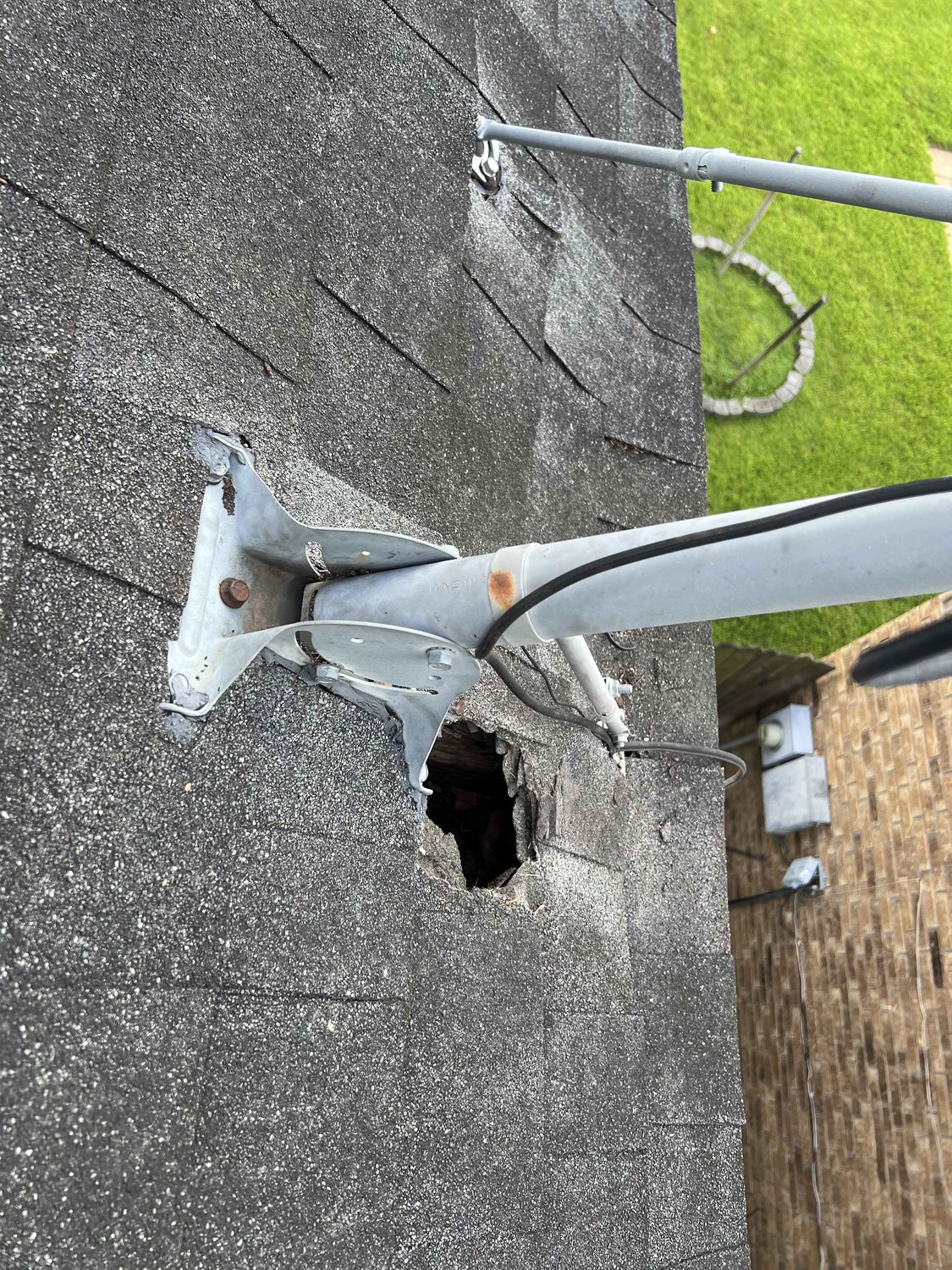
You must use a participating contractor. CenterPoint keeps a list of approved contractors, and the program works only through them. A contractor who is not on that list cannot bring the incentive to your job.
The incentive goes to the contractor. You do not mail in receipts, and you do not receive a reimbursement check. The contractor is paid the incentive, which is why the question to ask is how it is reflected in your price.
Existing homes only. New construction is excluded. The program is meant for houses already standing with too little insulation in the ceiling.
CenterPoint is not part of your contract. The utility says it is not a party to the agreement between you and the contractor. Workmanship, scheduling and disputes are between you and the company you hire.
Is your address on CenterPoint’s system?
In Texas’s competitive electric market, the company on your monthly bill is often a retail provider, while a separate utility owns the poles and wires. CenterPoint is that delivery utility across much of the Houston area, but it is worth confirming that your address is on its lines. Your bill should name your delivery utility; if it does not say CenterPoint, this program is not the one for you.
Ask every contractor, including us
We are not going to tell you that Sasquatch Pest Control is on CenterPoint’s participating list. Ask us when you book, and ask every other company you get a quote from, then confirm the answer on CenterPoint’s own site. A company’s word is not the list. If the incentive matters to your budget, that check comes before the signature, not after.
What to verify before you sign anything
Rebate or no rebate, these are the points worth getting in writing.
- The R-value and settled depth. ENERGY STAR’s recommended levels for our zone are R49 for an attic with nothing in it and an added R38 over three to four inches. The quote should say what it is aiming for.
- Removal, if any. If animals have been in the attic, find out whether the old material is being bagged and hauled away or simply covered. Our page on contaminated insulation removal explains why soiled fill should not be buried under new.
- Sealing first. If rodents or wildlife got in, who closes the openings, and when? New fill over an open soffit return will not last. That work is described under exclusion and repairs.
- Ventilation and clearances. Soffit vents should stay open and heat sources should keep their clearance. Ask how the crew handles both.
- Which material, and why. Our TAP vs cellulose vs fiberglass comparison lays out the choices.
- How any incentive is shown. If a participating contractor is applying a utility incentive, ask to see where it appears on the paperwork.
- The guarantee. Read what is covered and what is excluded. Ours is the 100% Service Guarantee, and its terms exclude pest damage.
Common misunderstandings we hear
“The rebate means the job is free.” Nothing on CenterPoint’s program page promises that. The incentive goes to the contractor, and how much of your price it offsets depends on the job.
“Any insulation company can get me the utility money.” Only a contractor on the participating list can. A company being well known, or having done your neighbor’s attic, does not put it on that list.
“I’ll get the tax credit next spring.” For work placed in service this year, there is no federal credit to claim. A preparer will tell you the same thing.
“New insulation will solve the rat problem.” It will not. Rodents tunnel through new fill as readily as old. The openings have to be closed, which is the work covered under roofline and soffit gaps.
A worked example
Picture a 1990s two-story in Klein. The homeowner sees a mailer about an insulation rebate, then hears scratching over the game room. At the inspection, the attic shows about four inches of old blown fiberglass, a matted runway from a soffit return to the air handler platform, and droppings along it.
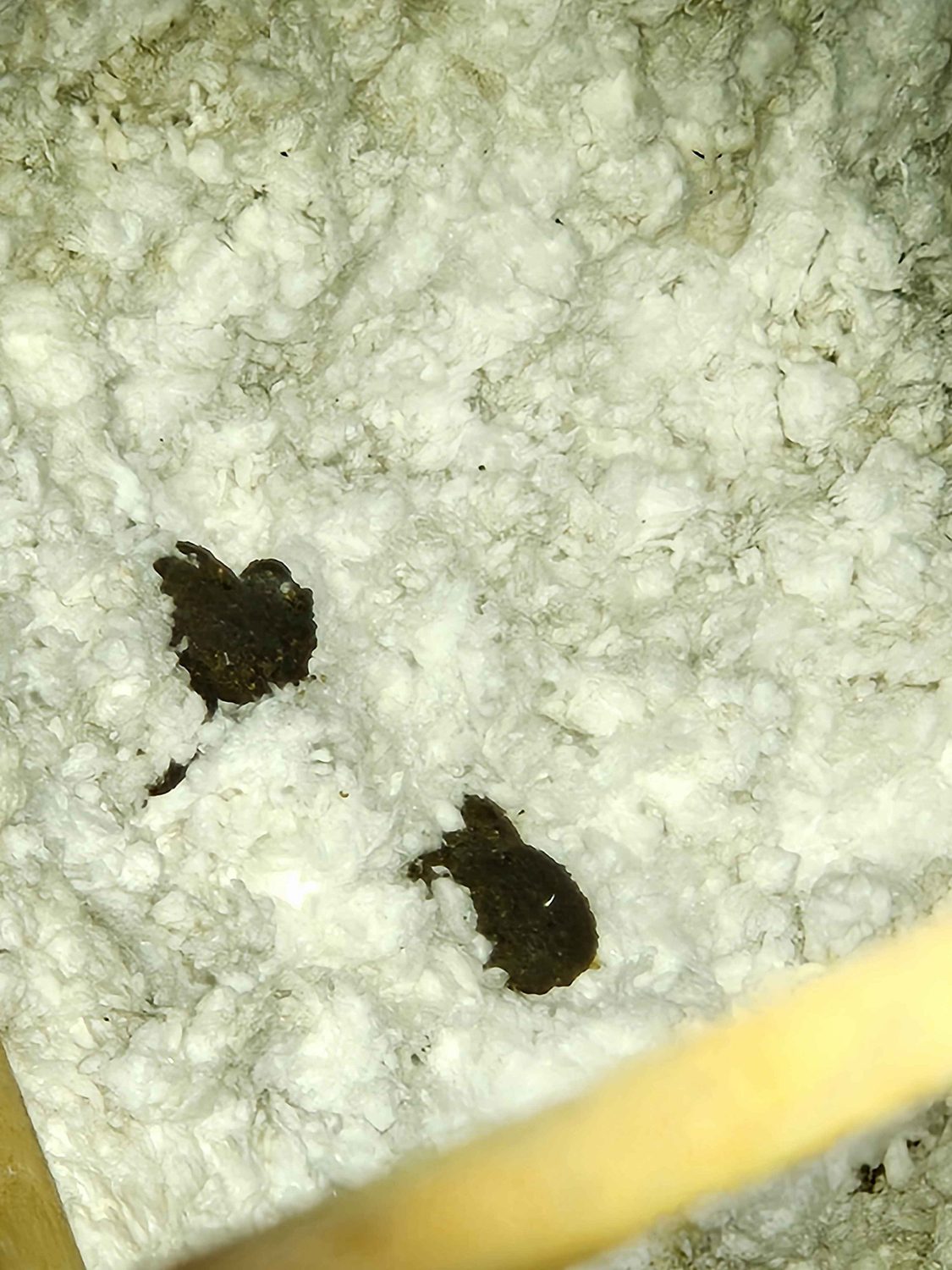
The order of questions for that house runs like this. Is anything still living up there? Which openings let it in? How much of the old fill is soiled and has to come out? Is the delivery utility CenterPoint, and if so, is the contractor on its participating list? Only after those answers does the depth of new insulation, and the price, make sense.
Why insulating can pay back with no incentive at all
Strip away every program and the case for a properly insulated attic in north Houston still stands. The DOE’s Guide to Home Insulation says homeowners can save up to 20 percent on heating and cooling costs, or up to 10 percent on total energy costs, by adding insulation and reducing air leaks. “Up to” is doing real work in that sentence; a house that is already well insulated will see little, and a house with a thin or soiled attic floor stands to gain the most.
The local climate tilts the math toward insulation. The DOE’s Building America county guide puts Harris and Montgomery counties in the Hot-Humid zone, and anyone who has stood in a Spring attic in July understands what that means for the ceiling underneath. Cooling season here is long, so whatever an insulation upgrade saves, it saves over many months each year.
There is also a reason that has nothing to do with energy. If roof rats, squirrels or raccoons have lived in the attic, the insulation may be holding droppings and urine. Replacing it is a cleanup job first and an efficiency job second, and that case does not wait on a rebate. The attic cleanup and decontamination page covers that side.
Paperwork worth keeping anyway
Even with no credit to claim, hold on to the records from an insulation job. A future buyer, an appraiser or your own memory five summers from now will want to know what went into the attic and when. Keep the signed quote, the final invoice, the product name and its EPA number if it is a treated material, and a dated photo of a depth marker standing in the finished fill. If old material was removed because animals soiled it, a note of that on the invoice explains the difference to anyone comparing your attic with the house next door. None of this costs anything, and it turns a vague claim about new insulation into something you can show.
When the timing makes sense
Because there is no federal deadline to chase in 2026, there is no reason to rush a decision for tax purposes. Let the attic tell you. Our page on signs attic insulation needs replacing lists what to look for from the hatch, and attic insulation cost explains what drives a quote up or down.
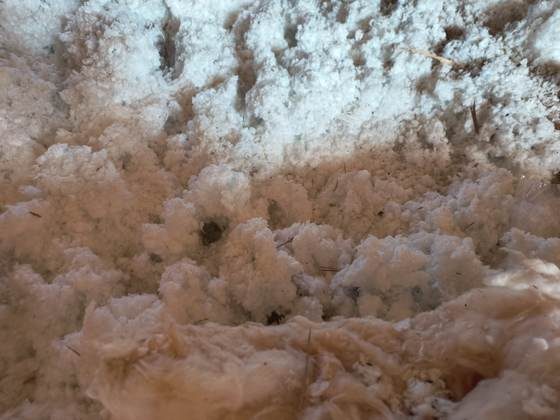
If animals are still active up there, deal with them first through rodent control or squirrel control, then insulate once the roofline is closed.
How we price it
We start with a free inspection of the attic, then give you a written price before any work begins. The quote names what is being removed, what is being sealed, and the depth of new TAP pest control insulation going down. If a utility program matters to you, raise it at the inspection so the question is answered before you commit. The full service is described on our attic insulation page, and you can contact us to set up the visit.
Frequently asked questions
Can I still claim a federal tax credit for attic insulation in 2026?
Not for insulation installed this year. The IRS page for the energy efficient home improvement credit limits it to property placed in service through the end of 2025. If your work was finished in 2025, talk with your tax preparer about claiming it for that year.
Is Sasquatch Pest Control a CenterPoint participating contractor?
Ask us directly when you book the inspection, and then check CenterPoint's own list rather than taking anyone's word for it. That advice applies to every insulation contractor you talk to, including us.
Will CenterPoint send me a rebate check?
No. CenterPoint says its ceiling insulation incentive is paid to the participating contractor, and the customer does not submit receipts or receive a reimbursement. Ask how the incentive shows up on your quote.
Does the CenterPoint program cover a new house?
No. The program is for existing homes, and CenterPoint excludes new construction. It is aimed at older houses whose ceilings are short on insulation, which describes many homes in north Houston subdivisions.
Is new insulation worth it without any rebate?
Often, yes, especially in an attic that is thin or soiled. The DOE estimates savings of up to 20 percent on heating and cooling from insulating and sealing air leaks, and an air conditioner in this climate runs most of the year.
Attic Insulation in north Houston?
No long-term contracts, and service agreements are backed by our 100% Service Guarantee.
Because we are based in Spring, we can often come out the same or next day for urgent problems. Call before noon, Monday through Friday, for the best chance at next-day service.
Last updated