
Pest Control in River Plantation, Conroe
River Plantation is a wooded golf neighborhood beside the West Fork of the San Jacinto River, in unincorporated Montgomery County south of Conroe and about 27 road miles from our office. The river, Sandy Branch and the small lakes nearby drive mosquitoes after high water, while the creek woods bring lone star ticks, raccoons and roof rats.
Call 281-627-4810 Request a free inspection
Year-round protection plans from $70 Core · Premium · Legendary See the plans
River Plantation, Conroe on the map
On the West Fork
OpenStreetMap maps River Plantation as a residential area beside the West Fork San Jacinto River, whose mapped channel runs to the southwest within about a mile of the center. A Census TIGERweb point check there finds no city at all, so the neighborhood is unincorporated Montgomery County with a Conroe address. We reach it in 26.8 miles from our office, going by an OSRM driving route of about forty minutes.
The River Plantation Country Club course runs through the middle of it. Sandy Branch San Jacinto River runs on the southeast side near the Park at River Plantation, and the map shows Cane Lake, Johnson Lakes and Forrest Hills Lake just to the south.
High water and the mosquito wave that follows
River neighborhoods get a particular kind of mosquito season. Texas A&M AgriLife’s report on mosquitoes after rain explains that floodwater species lay eggs in soil, where they can sit for two to five years before hatching, and that heavy rain leaves standing puddles in ditches and low parts of lawns. When the West Fork or Sandy Branch spills onto low ground, a large batch of those old eggs can hatch together. Culex, the house mosquito group, breed in pooled creek beds once the channel drops back.
Montgomery County Mosquito Control handles surveillance, disease testing, truck spraying and larviciding on county right-of-way between May and the end of October. On your property, our mosquito control treats the shaded vegetation where adults rest during the day. After every high-water event, make a round of the yard and tip out anything left holding water.
Ticks in the creek woods
The wooded strips along the river and Sandy Branch are classic tick ground. The Texas A&M field guide says lone star ticks live in wooded areas with underbrush along creeks and rivers near animal resting places, and that all three life stages will feed on people. Yards that back onto those woods pick them up at the brushy margin. Our tick control focuses there, and keeping that edge cleared and mown helps hold the line between treatments.
Raccoons, roof rats and fire ants
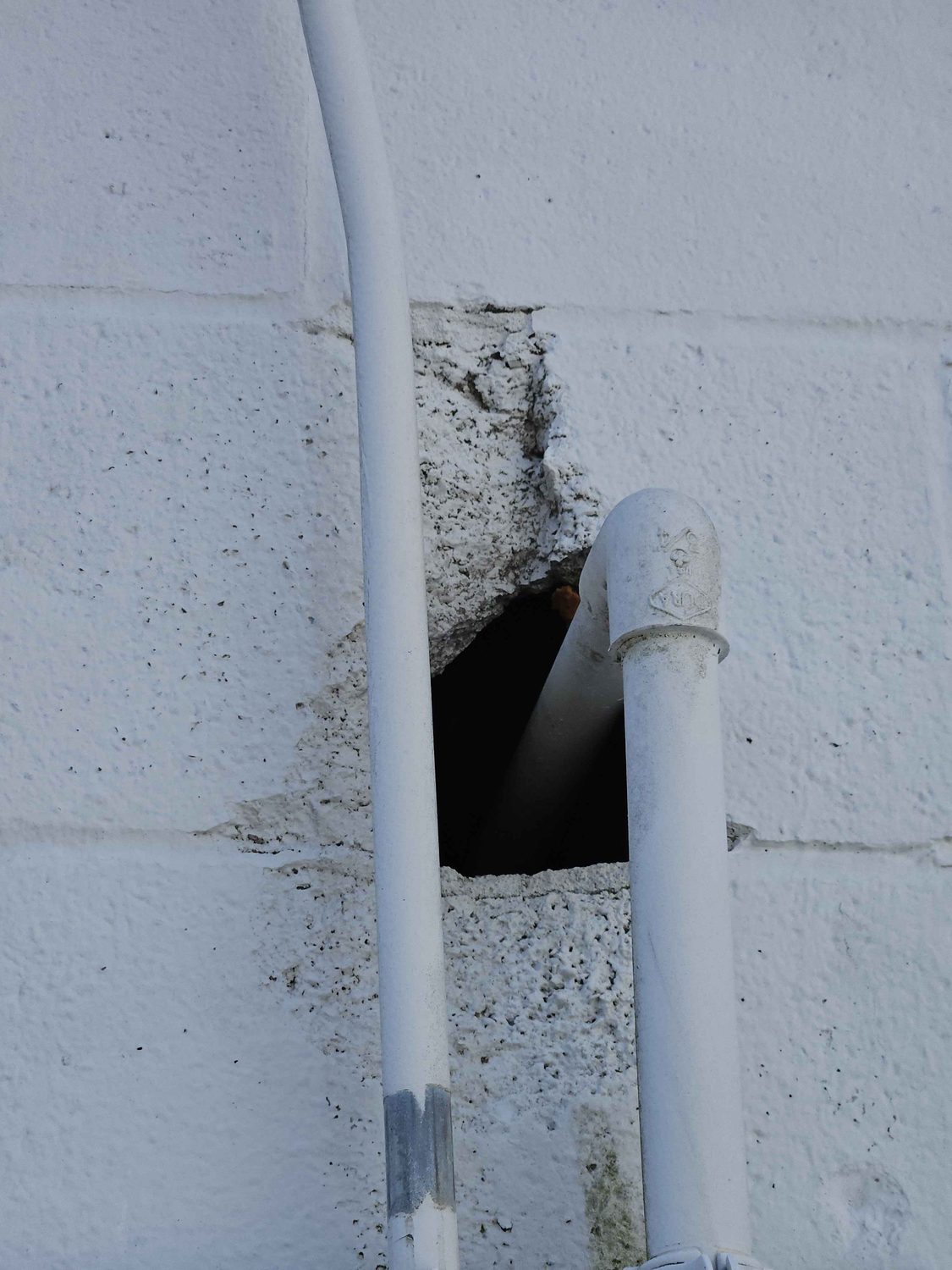
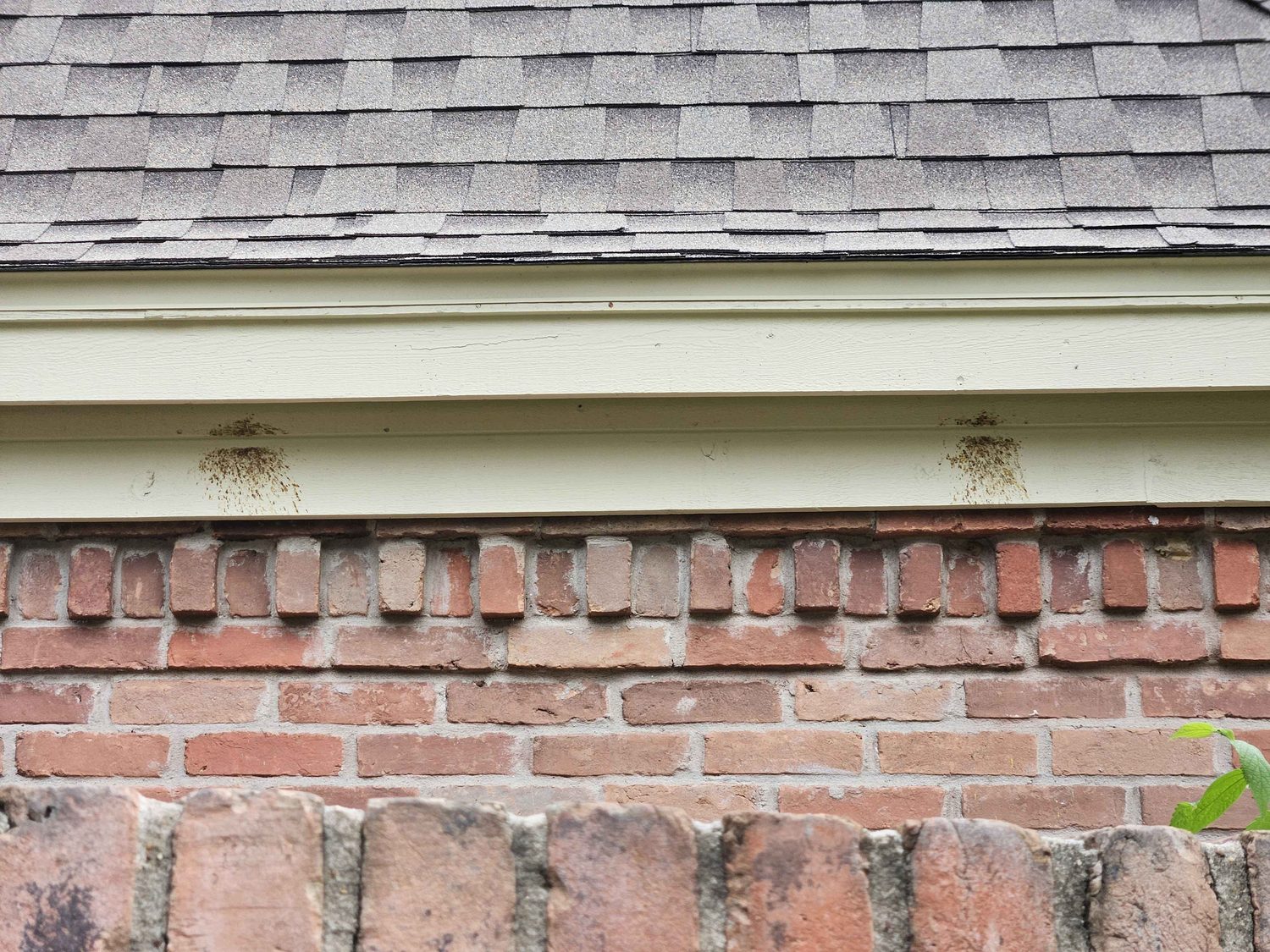
The same river corridor feeds the wildlife. An AgriLife Extension leaflet says raccoons prefer to live near streams, rivers and lakes where trees and brush give them cover, and that their damage in towns is mainly to attics and roofs. Texas A&M’s rodent IPM guide says roof rats prefer mature vegetation and trees and most often nest above the ground. Under a full canopy, both end up testing the roofline. We handle raccoon removal and rodent control, then seal the openings.
Fire ants round out the list. The Texas A&M fire ant program lists golf courses and lawns among the places colonies build, and says mounds favor open, sunny spots. A yard-wide ant treatment holds up better than spot work.
Once the water goes down
The week after the West Fork drops is when most of the work pays off. Walk the yard and empty anything that caught water: flowerpot saucers, wheelbarrows, tarps, the low corner of a trampoline cover. Rake out flood debris piled against fences and the foundation, since it gives fire ants, rats and cockroaches fresh shelter. Check the garage, sheds and attic for animals that moved up to dry ground during the high water. If the air conditioner pad or outdoor panels were wet, look before you reach in, because fire ants tend to move into equipment like that.
What to expect from us
Every job starts with a free inspection of the house, attic and yard, and you hear what we found before anything is treated. We do not use long-term contracts, and our 100% Service Guarantee covers the work. For a neighborhood with this much water, a year-round plan keeps mosquito and ant service on a steady schedule instead of a scramble after each storm.
Our Conroe page covers the rest of the city. On the lake side, see our page for April Sound.
Frequently asked questions
After the river comes up, the mosquitoes are terrible for weeks. Why does that happen?
Floodwater mosquitoes lay eggs in soil that only hatch when it is flooded, and AgriLife says those eggs can wait two to five years. High water over low ground wakes them all at once. Draining what you can and treating the shaded areas where adults rest shortens the stretch.
My dog picks up ticks on walks near the creek. Can you treat for that?
Yes. Lone star ticks live in wooded ground with underbrush along creeks and rivers, according to Texas A&M, so we concentrate on the brushy yard edges and shaded beds where pets and people pass. Your veterinarian handles the dog side of it.
Is River Plantation inside Conroe city limits?
A Census TIGERweb check at the center of the neighborhood finds no incorporated city and no Census-designated place. It is unincorporated Montgomery County, even though the mailing address reads Conroe. We service it the same either way.
Raccoons are tearing at our soffit. Can you get them out before they move in for good?
We find where they are working, handle the removal and repair or seal the entry so it stays closed. Texas A&M notes raccoon damage in towns is mostly to attics and roofs, so we check the whole roofline, not just the spot you noticed.
Pest problem in River Plantation?
No long-term contracts, and service agreements are backed by our 100% Service Guarantee.
Because we are based in Spring, we can often come out the same or next day for urgent problems. Call before noon, Monday through Friday, for the best chance at next-day service.
Last updated