
School and Childcare Pest Control in North Houston
Texas requires every school district to run an integrated pest management program with a trained IPM Coordinator, records kept two years, signs posted before indoor applications, and products sorted into Green, Yellow and Red categories. Child-care centers fall under separate state standards. We build campus programs around those rules, starting with exclusion and monitoring.
Call 281-627-4810 Request a free inspection
What gets checked, at a glance
| District IPM program | 4 TAC §7.201: board-approved IPM policy, monitoring, action thresholds, lower-risk methods first, and a records system |
|---|---|
| IPM Coordinator | Appointed by the superintendent; must finish TDA-approved training within six months (§7.202). Training, not a license |
| Records the district keeps | Work orders, service reports, pesticide applications and complaints, held two years for a TDA inspector (§7.202) |
| Applicator paperwork | Pesticide use records go to the IPM Coordinator within two business days unless another time is agreed (§7.203) |
| Indoor posting | Signs at least 48 hours before a pesticide application inside district buildings; traps and monitors exempt (§7.204) |
| Product categories | Green: no prior approval. Yellow: written approval first. Red: written justification and the Coordinator's signed approval |
| Child-care centers | 26 TAC §746.3427: treated by a TDA-licensed operator unless the center holds noncommercial applicator certification |
A campus program starts with the rule book
Most commercial pest work is shaped by the building. School work in Texas is shaped by the rules first, and they are specific enough that a district’s facilities director should know them as well as its vendor does.
Under 4 TAC §7.201, each school district must establish, implement and maintain an integrated pest management program. The program needs a school board approved IPM policy, a monitoring program to decide when pests justify action, preferential use of lower-risk pesticides and non-chemical methods, a system for keeping pest records, a plan for educating staff about their roles, and written thresholds for when pest control action is justified. The superintendent appoints the IPM Coordinator, the district reports that appointment to the Texas Department of Agriculture within 90 days, and a district may not be without a Coordinator for more than 30 days.
The TDA’s school IPM page adds that its Structural Pest Control Service may investigate a district routinely or after a complaint. The regulated party is the district, not the contractor, which is why we describe our role as supporting the district’s program rather than making anyone compliant. This page is general information, not legal advice.
The Coordinator is trained, not licensed
A claim that circulates on pest control websites says Texas districts need a “licensed IPM Coordinator.” The rule says otherwise. §7.202 requires the Coordinator to complete a department-approved training course within six months of appointment and to earn at least six hours of approved IPM continuing education every three years, one of them on school IPM law. If the Coordinator also holds an applicator license, those credits count.
The same section gives the Coordinator a long list of duties: making sure anyone doing pest work for the district has training, equipment and the licenses their tasks require; keeping IPM records, including pest-related work orders, service reports, applications and complaints, for two years and producing them for a TDA inspector; making sure contractor specifications fit IPM principles; and keeping current labels and Safety Data Sheets available. Texas A&M AgriLife runs the Texas School IPM program that trains Coordinators and publishes logs, forms and a Coordinator notebook, and it is the first place we send a newly appointed Coordinator.
Green, Yellow and Red
§7.204 sorts pesticides used on district property into three categories, and the category decides the paperwork:
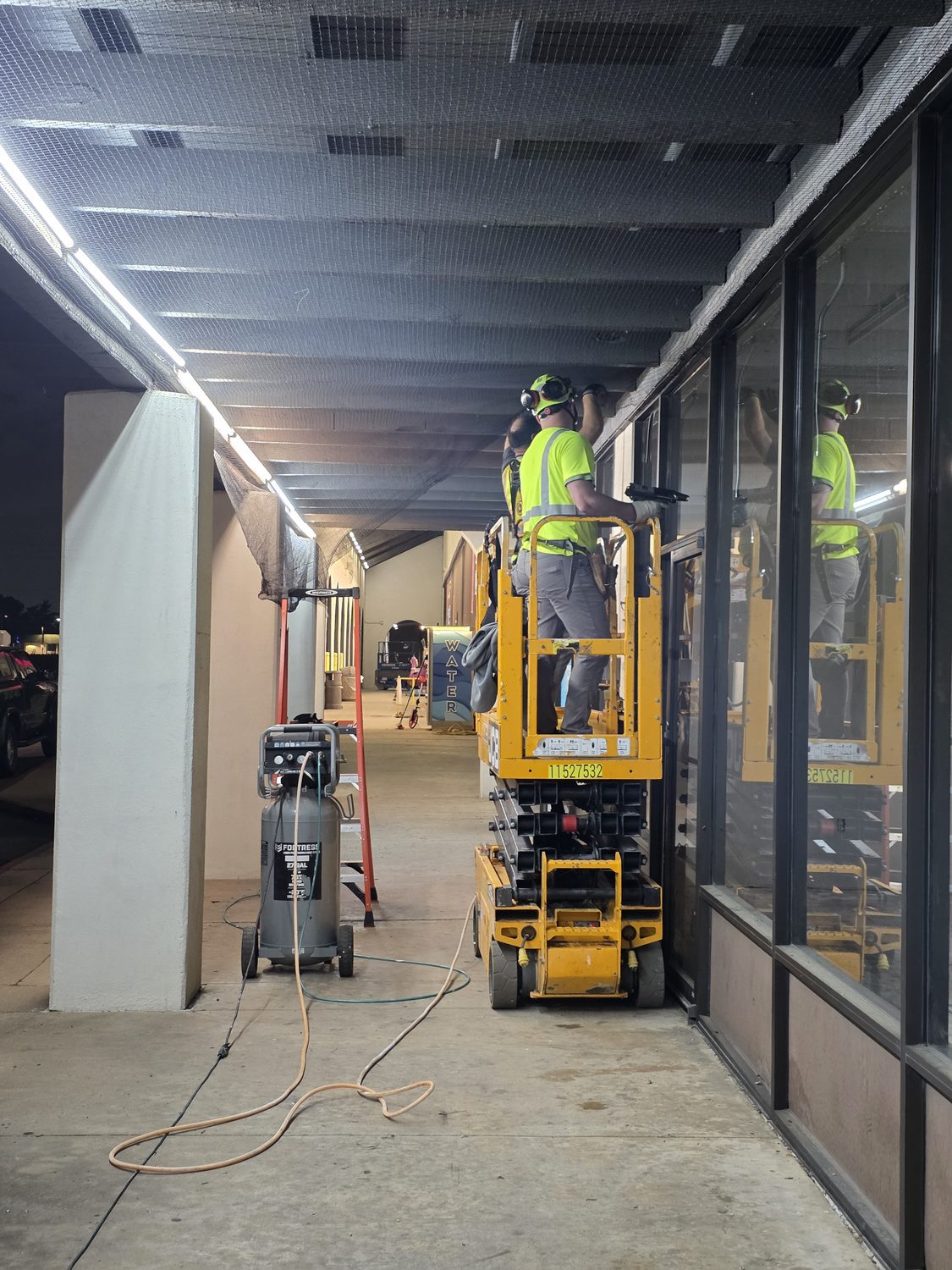
- Green covers products with a CAUTION signal word built on ingredients such as boric acid, silica gel, diatomaceous earth, insect growth regulators, horticultural oils, and insect and rodent baits in tamper-resistant containers. No prior written approval is needed, and students may not be in the room at the time.
- Yellow is any other CAUTION-label product. It needs written approval before use, the approval lasts no more than six months or six applications, and students stay out for at least four hours or the label interval.
- Red covers WARNING or DANGER products containing a restricted use, state-limited-use or regulated herbicide ingredient. It needs written justification and the Coordinator’s signed approval, lasts no more than three months or three applications, and keeps students out for at least eight hours.
The same section requires signs at least 48 hours before an indoor pesticide application and exempts non-pesticide tools such as glue boards and traps from posting. That exemption is the practical heart of a good school program. A campus run on sealing, sanitation findings, traps and monitors generates very little posting, and when product is warranted it is usually a Green bait placed where children cannot reach it.
What the contractor owes the district
§7.203 sets the applicator’s side: follow the district’s IPM program, get written approval from the Coordinator where Division 7 requires it, forward pest complaints and activity records, and send pesticide use records to the Coordinator within two business days unless another time is agreed. Section 7.201 also requires the district to employ or contract with a licensed applicator, so ask any contractor, us included, for the license number and categories before work begins.
What an auditor looks for
For a Texas district, the auditor is usually an investigator from TDA’s Structural Pest Control Service, and the visit turns on records more than on the buildings. Expect to be asked for the board-approved IPM policy, proof that the Coordinator finished the required training, the written thresholds, and two years of pest-related work orders, service records, applications and complaints. Any Yellow or Red product use should have its written approval on file, and indoor applications should show the 48-hour posting. Our guide to school IPM in Texas lays out each of those pieces in more depth.
If the cafeteria kitchen gets its own food-safety visits, the pest questions there follow the Food Code sections described in our guide to Texas food establishment pest rules. Keeping cafeteria entries in the same district log, rather than a separate binder, means the Coordinator can answer both kinds of visitor from one file.
What turns up on north Houston campuses
Cockroaches and mice in cafeteria kitchens, serving lines, teacher lounges and storage rooms, wherever food is kept and dropped. The German cockroach page and rodent control cover each in depth.
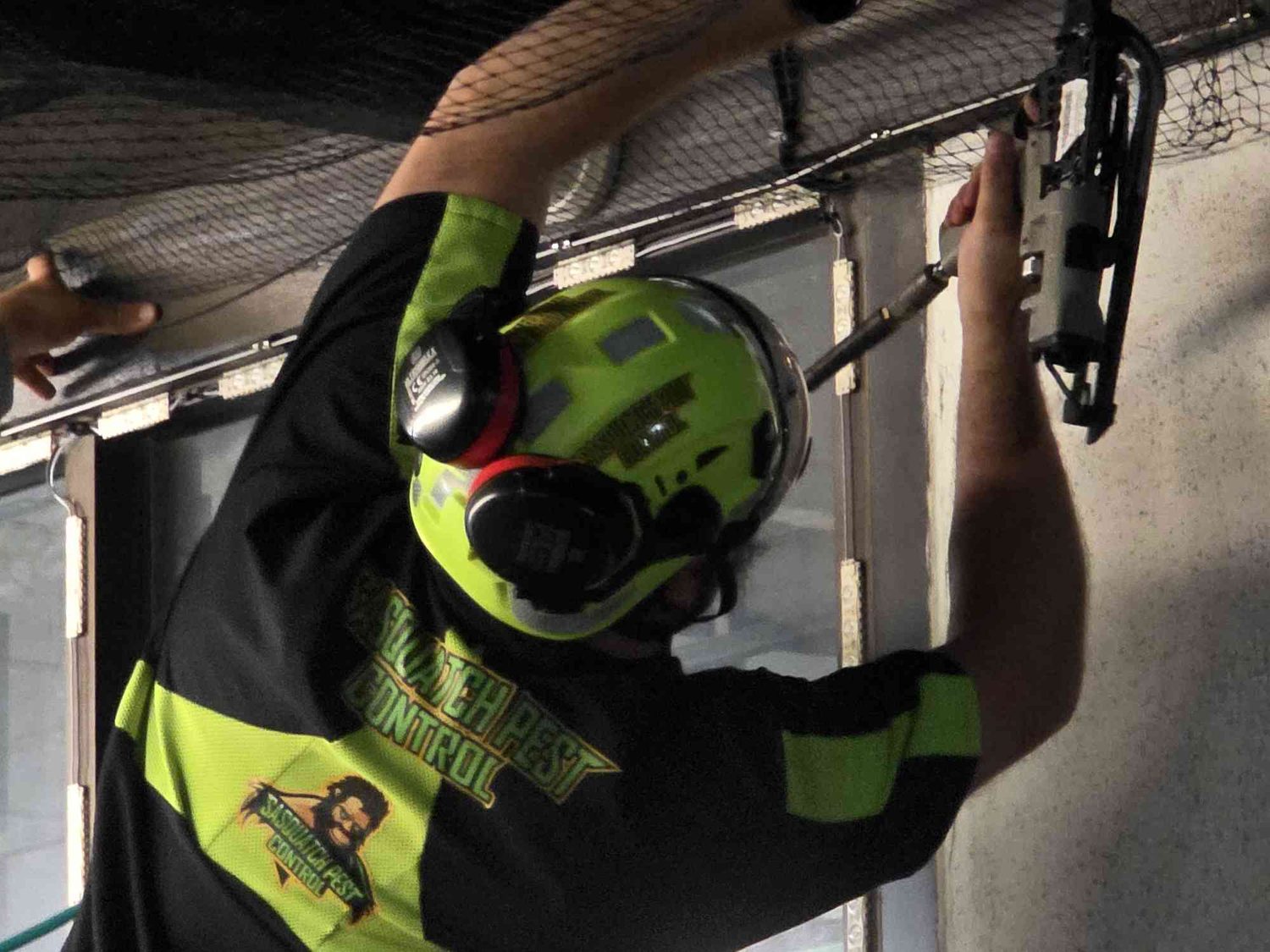
Ants in classrooms with snacks and in portable buildings sitting on blocks. Outside, fire ants on playgrounds, fields and along sidewalks are a real student-safety issue every spring and after rain.
Wasps and mud daubers under eaves, playground equipment and stadium seating; see wasp control.
Bats in older buildings with gaps at the roofline or expansion joints, a situation that calls for exclusion timed around the pup season, described on our bat exclusion page.
Bed bugs, occasionally, carried in from home in a backpack. A school is rarely where they live, so the response is a confirmed identification, a check of the area and a discreet word with the Coordinator, not a campus treatment.
How we set up a district program
We walk each campus with the IPM Coordinator and someone from maintenance or child nutrition, building by building. Older campuses and portables usually need the most sealing: door sweeps, gaps around pipes and conduit, screens on vents and the space under portable buildings. Each campus gets a numbered monitoring map tied to the district’s own record system.
Visits are recurring, with extra attention to cafeterias and kitchens and to grounds in the warm months. Product applications are planned for evenings, weekends and breaks, with the dates, areas and categories sent to the Coordinator early enough for posting and any requested notifications. After each visit the Coordinator receives the service record: what was inspected, what was found, what was done, any product and its category, and what the campus was asked to fix.
Working around the school calendar
A school year gives a pest program natural windows. The weeks before students return in August are the best time of the year for structural work: sealing, door sweeps, screening, and anything that needs an empty building or a long re-entry time. Winter break and spring break serve the same purpose on a smaller scale, and summer school or year-round campuses change the calendar, so the plan is set campus by campus.
During term, the routine is monitoring, bait station service, exterior work and response to reports from teachers and custodians. Custodial staff are often the first to see a problem, and a simple sighting log in each building, checked by the Coordinator and by our technician at each visit, catches problems weeks earlier than waiting for a complaint. AgriLife’s school IPM program publishes monitoring logs and forms that suit exactly this, and we are happy to work from the district’s own forms instead of ours.
Fields and grounds follow the weather more than the calendar. Fire ant work is planned for spring and early fall when mounds are active, outdoor applications keep the distance from students the rule requires, and the rule also bars outdoor applications that would expose students to drift.
Child-care centers are a different rule book
A licensed child-care center is not a school district, and the school IPM rules are not what governs it. The state child-care minimum standards do. 26 TAC §746.3427 says a center may treat for pests only if it is certified as a noncommercial applicator; otherwise it must use a pest control operator licensed by the TDA, including for over-the-counter products. §746.3429 requires that children not be allowed in areas with pesticide residue that may harm them, following the operator’s written instructions or the label. And §746.3407 makes the center manage garbage so the building inside and out stays free of insects and rodents. Registered child-care homes have a parallel rule, §747.3225.
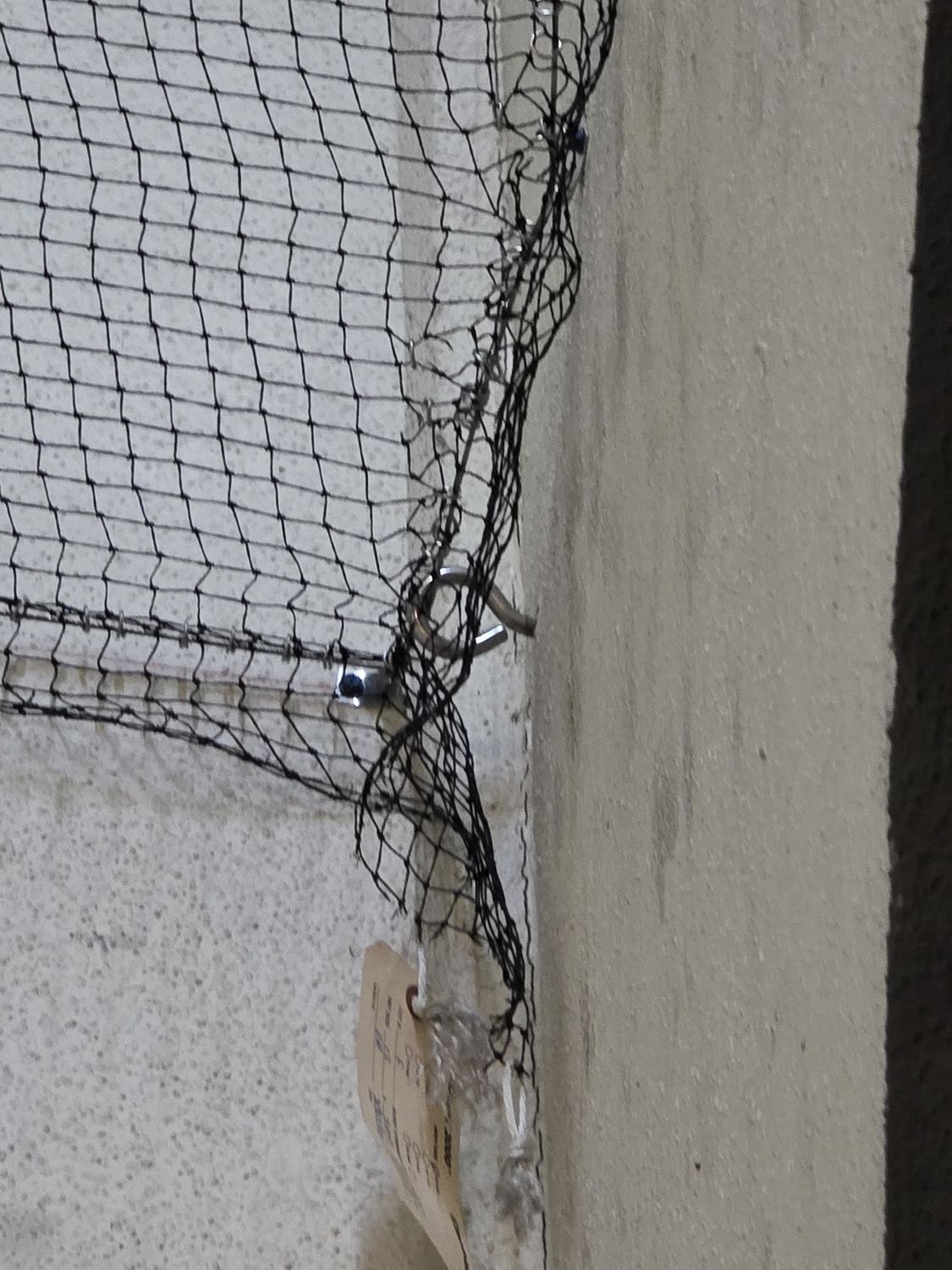
In practice a day care in Klein or Magnolia gets a smaller version of the school approach: sealing and monitoring first, baits in tamper-resistant stations, and any application timed for after closing so rooms are clear well before children arrive. The written re-entry instructions go to the director with every visit, because §746.3429 makes them the director’s to follow.
Starting
A program starts with a free inspection of the property and a written proposal for each campus or center. We serve schools and child-care providers across Harris County and Montgomery County. Use our contact page to set up a walk.
Frequently asked questions
Does the IPM Coordinator need a pest control license?
No. The Texas rule requires the Coordinator to complete a TDA-approved training course within six months of appointment and earn six hours of IPM continuing education every three years. A Coordinator who also holds an applicator license can count those credits. The district separately has to employ or contract with a licensed applicator.
Do you notify parents before a treatment?
The district owns notification and posting. The rules require a procedure for notifying people who ask in writing, and signs posted 48 hours before indoor pesticide applications. We give your Coordinator the planned dates, areas and products early enough to meet those steps, and most of our campus work uses traps and monitors that need no posting.
Do charter and private schools follow the same rules?
Texas A&M AgriLife's school IPM program states that charter schools fall under the Texas school IPM regulations. Private schools are not school districts, so the rule is not written for them, but many choose to work the same way. Ask your own counsel which rules bind your school.
Can you service campuses while students are there?
Most monitoring, trapping and exterior inspection can happen during the day. Product applications are scheduled for when students are not present and will not be within the re-entry time the rule and the label set, which in practice means evenings, weekends and breaks.
Is a child-care center treated the same way as a school?
No. A licensed child-care center answers to the state child-care minimum standards, not the school IPM rules. Those require a TDA-licensed pest control operator unless the center holds its own certification, and keep children out of areas with residue that may harm them. We plan around nap times and opening hours.
This is one of the programs described on our commercial pest control page, which covers how a program is built, what the record looks like, and the compliance surface it contributes to. For a site walk, call or text 281-627-4810.
Commercial pest control in north Houston?
No long-term contracts, and service agreements are backed by our 100% Service Guarantee.
Because we are based in Spring, we can often come out the same or next day for urgent problems. Call before noon, Monday through Friday, for the best chance at next-day service.
Last updated