
German Cockroaches in a North Houston Kitchen
Small tan roaches with two dark stripes behind the head, showing up in a kitchen or bathroom, are almost certainly German cockroaches. They breed indoors, hide in tight cracks near warmth and water, and outlast store sprays. Getting rid of them takes gel baits, a growth regulator, careful crack work and at least one follow-up visit.
Call 281-627-4810 Request a free inspection
Year-round protection plans from $70 Core · Premium · Legendary See the plans
What to do, in order
- Stop spraying. Store sprays and foggers push German roaches deeper into the walls and spoil any bait that goes down later.
- Put sticky cards behind the fridge, under the sink and beside the stove, and note which ones catch roaches within a few days.
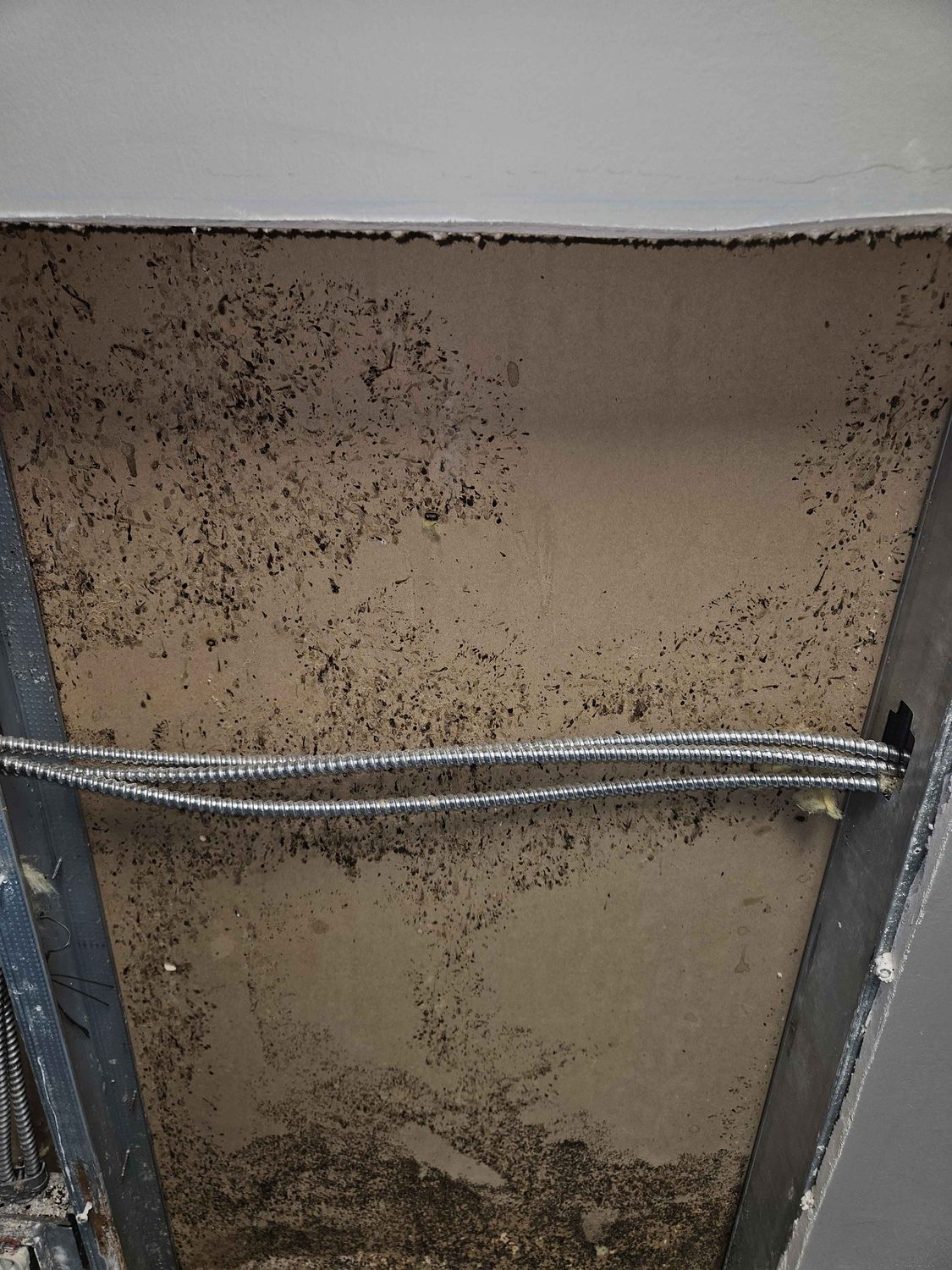
- Look for pepper-like specks in drawers, hinges and cabinet corners with a flashlight after dark.
- Clear crumbs and grease nightly, empty pet bowls before bed and fix any drip under the sink.
- Book an inspection so the harborages get mapped and baited before the next round of egg capsules hatches.
Small, tan and in the kitchen
If the roaches you are seeing are about half an inch long, light brown, and scatter when the kitchen light comes on, you are almost certainly looking at German cockroaches. Texas A&M AgriLife’s publication Cockroach Biology and Management (ENTO-037) describes adults as ½ to ⅝ inch, light brown, with two dark stripes on the plate behind the head. They have wings but do not fly.
That last detail is useful. A roach that flies at the porch light is not a German cockroach. Neither is a two-inch reddish roach in the garage.
The lookalikes
Young American cockroaches. ENTO-037 notes that American cockroach nymphs start out grayish brown and turn reddish brown after a few molts. They have no stripes, and they tend to turn up in garages, baths and near floor drains rather than in a kitchen drawer. Those belong on our page about American cockroaches.
Asian and field cockroaches. The same publication says these two look very similar to German roaches but can be found living outdoors in parts of Texas. A striped roach on the patio or in the lawn at dusk is more likely one of them, since German roaches here do not live outside.
German nymphs themselves. People often think they have two kinds of roach because the young look different. German nymphs are darker, wingless, and carry a pair of dark stripes running down the whole back.
How to tell at home
You do not need to catch one. Three checks usually settle it.
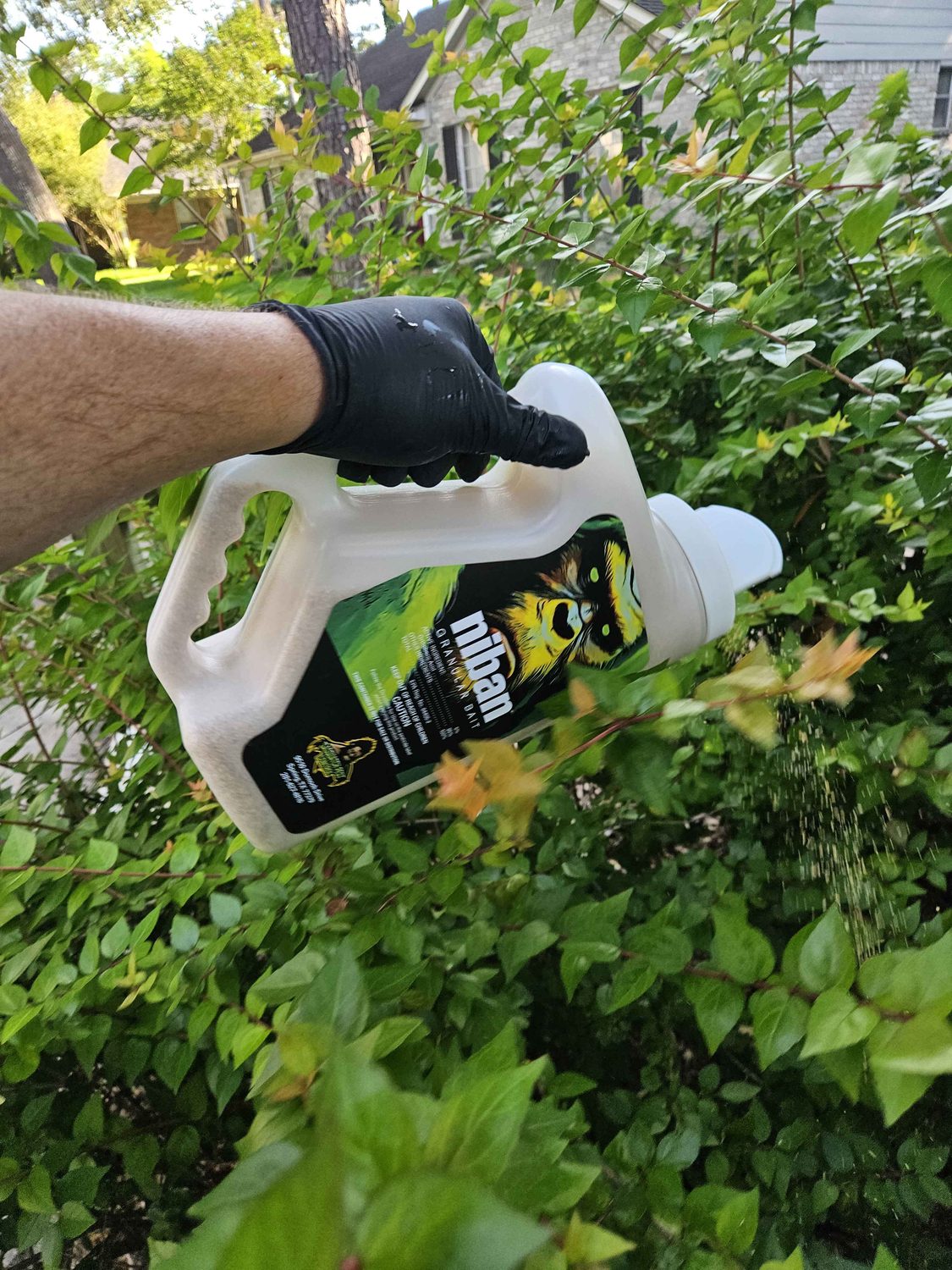
- Time of day. ENTO-037 says that roaches seen during the day usually mean there are a lot of them. German roaches spend most of their lives packed into cracks, so the ones in the open are the overflow.
- Droppings. Texas A&M describes the droppings as looking like crushed pepper, stuck to the surfaces where roaches gather. Check hinge corners, the top edge of drawers, and the back of the cabinet under the sink.
- Sticky cards. Cards placed along walls and behind appliances show you which spots are busiest. They tell us where to start, so leave them in place until the technician arrives.
The German cockroach profile from Texas A&M’s urban entomology program adds one more clue: when populations become large and food runs short, they start appearing in bedrooms and other unlikely places. A German roach in a bedroom closet is a sign the kitchen is crowded.
Why the spray did not work
Almost every German roach call we take comes after a can or two of store spray. ENTO-037 is plain about why that falls short: total-release aerosols do not reach the cracks where most roaches hide, and sprays are not nearly as effective as baits against this species. Texas A&M also notes that pyrethroid insecticides, the active ingredients in many store sprays, are highly repellent to German roaches. So the roaches you sprayed move a few feet into the wall, and the ones in the wall never touch it.
What we do
These are the methods the company states for German cockroach work.
- Inspect and confirm. The technician confirms the species and maps the harborages: behind the refrigerator and dishwasher, under the sink, inside cabinet cracks, around small appliance motors and along counter edges.
- Bait the cracks and voids. Gel bait goes directly into the places roaches live, in small placements, so they feed and carry it back.
- Add an insect growth regulator. This keeps the nymphs from maturing into adults that can breed, which is what stops the population from rebuilding.
- Treat cracks and crevices. Targeted treatment goes into kitchens, bathrooms and appliance areas instead of broadcast spraying, which would scatter the roaches.
- Come back. Follow-up visits are scheduled to catch the nymphs that hatch after the first treatment.
The work is backed by our 100% Service Guarantee and there is no long-term contract. The full picture of how we handle both roach species is on the cockroach control page.
Your part between visits
Baits work best when the roaches have nothing better to eat. Texas A&M’s advice is to clean floors and counters, fix leaks, and seal the gaps around sinks, plumbing and kitchen splash guards. Run a vacuum with a HEPA filter under the stove and behind the fridge if you can reach. Keep pet food sealed and the bowls empty overnight. Check grocery boxes, delivery cartons and any used appliance before it comes in, since a single egg capsule can produce 30 to 40 nymphs.
When to call
Call when you see one in daylight, when you find them inside a dishwasher, microwave or coffee maker, or when sticky cards keep filling after a week of cleanup. Restaurants and apartment communities should call at the first sighting, because those buildings share walls, plumbing and food. Those accounts run through our commercial program. To set up a free inspection, use the contact page.
Frequently asked questions
How do I know these are German roaches and not baby palmetto bugs?
Look behind the head. German cockroaches, young and grown, carry two dark stripes there, and the nymphs have stripes running down the body. Young American cockroaches are grayish brown, then reddish, with no stripes. Where you found it matters too, since German roaches stay inside near the kitchen and baths.
Will one treatment get rid of them?
Rarely. Texas A&M's urban entomology program says thorough treatment and follow-up visits are usually needed in heavy infestations. Females carry their egg capsules until hatching, so nymphs keep appearing after the first visit, and the return trips are planned to catch them.
Should I keep using my spray between visits?
Please do not. Texas A&M warns that cockroaches avoid baits contaminated with sprays or dusts, and the bait is what reaches the hidden part of the population. A vacuum is the better tool for any roach you see in the open.
I live in an apartment. Can you fix it if my neighbor has them?
We can clear your unit, but roaches move through shared walls and plumbing, so the result depends on the units around you. Ask your property manager to have neighboring units checked at the same time. Apartment communities can set that up through our commercial program.
Guides
Cockroach Control in north Houston?
No long-term contracts, and service agreements are backed by our 100% Service Guarantee.
Because we are based in Spring, we can often come out the same or next day for urgent problems. Call before noon, Monday through Friday, for the best chance at next-day service.
Last updated