
Healthcare and Senior Living Pest Control in North Houston
Healthcare and senior living pest work in north Houston is built for buildings that never empty. Federal rules for nursing homes require an effective pest control program, and Texas nursing facility rules say much the same. We lead with exclusion and monitoring, schedule around care routines, and keep a visit-by-visit record surveyors can read.
Call 281-627-4810 Request a free inspection
What gets checked, at a glance
| Federal nursing home rule | 42 CFR 483.90(i)(4): maintain an effective pest control program so the facility is free of pests and rodents |
|---|---|
| Texas nursing facility rule | 26 TAC §554.324: a continuing pest control system, protection against harborages and entrances, self-closing outside doors, enclosed trash |
| Visit record | Date, areas serviced, what was found, what was done, any product used and where, and what the facility was asked to fix |
| Device map | Numbered monitors and stations on a floor plan, so a surveyor can match a logged reading to a spot in the building |
| Corrective actions | Open items such as a door sweep, a pipe gap or a dumpster lid, tracked until someone closes them |
| Bed bug response | Confirm the insect, inspect the rooms on either side, treat, and return to check, with each room logged |
| Trend review | Activity by area over months, for the safety or environment of care committee to read |
| Not our role | Accreditation and survey outcomes; the facility owns its policies, its survey and its corrective action plans |
Buildings that cannot close for pest work
A restaurant can shut for a morning. A warehouse can clear a bay. A nursing home or assisted living community in Spring or The Woodlands cannot send its residents anywhere while someone treats the dining room, and many of those residents cannot easily leave a room on their own. That single fact shapes everything about how a care facility pest program is designed.
It pushes the work toward methods that do not need an empty building: sealing gaps, monitoring, baits placed where residents cannot reach them, and precise application in cracks and voids instead of broad spraying. That is the integrated pest management approach the EPA describes as a combination of common-sense practices: set a threshold, monitor and identify, prevent, and only then control. In a building full of older adults it is less a philosophy than the only workable option.
What the rules actually ask of a facility
Two rules matter most for long-term care in Texas, and both are short.
The federal requirements for nursing homes that take Medicare or Medicaid include a line in the physical environment section, 42 CFR 483.90(i)(4), that tells the facility to maintain an effective pest control program so that it is free of pests and rodents. The Texas rule for licensed nursing facilities, 26 TAC §554.324, goes further into the building: a continuing pest control system against insects, rodents and vermin, protection against harborages and entrances, self-closing outside doors, and garbage kept in enclosed containers away from food preparation.
Read those together and notice who carries the obligation. It is the facility. A pest vendor supports it with service and records, but the duty sits with the operator, which is why we never describe our paperwork as something that makes a building compliant. Hospital accreditation and the Joint Commission’s environment of care standards are a separate layer again, and a facility’s own compliance staff are the right people to say what those require. This page is general information, not legal or regulatory advice.
What turns up in care buildings around Houston
German cockroaches live where the warmth and moisture are: the dietary kitchen, the dish machine, the soiled utility room, the laundry. They travel in on deliveries and in residents’ belongings. See our German cockroach page for how they behave indoors.
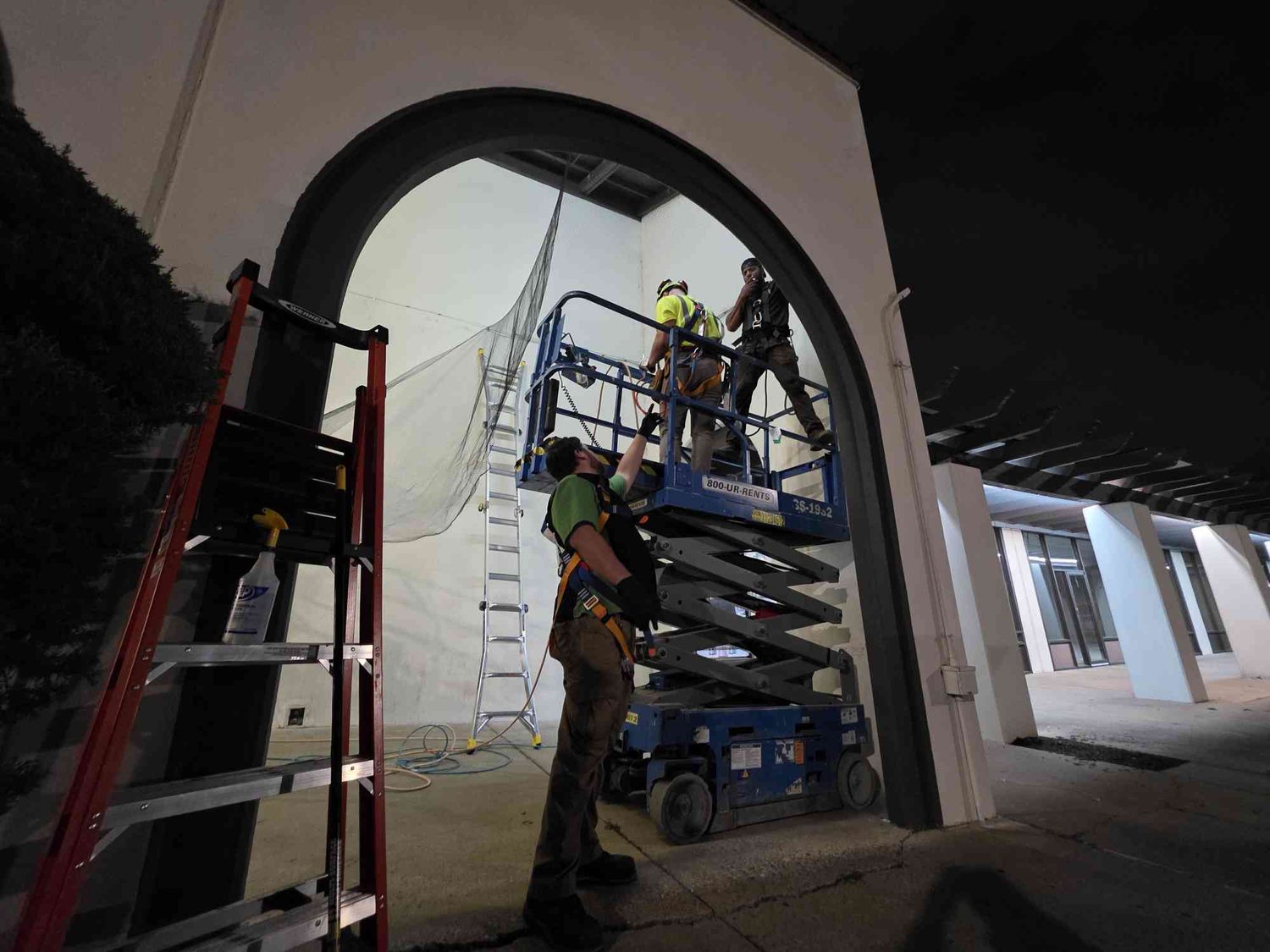
Rodents follow food and shelter. In north Houston that includes roof rats using trees and utility lines to reach a roofline, and house mice entering at ground level around doors and conduit. Our rodent control page covers the exclusion side.
Bed bugs arrive with people. The CDC notes that bed bugs are not known to spread disease, and that how clean a place is does not decide whether they show up. In senior living they come with a new admission, a returning hospital stay, a visiting relative’s bag or a donated armchair.
Ants trail to snacks kept in rooms, to the break room and to anywhere a sugary drink was spilled. Outside, fire ant mounds in courtyards and along walkways matter more here than at an office, because a resident who sits or falls near one cannot always move away quickly. The fire ant page explains the outdoor treatment.
Flies point at drains, dumpsters and soiled linen handling, and the fix is usually in the drain or the dumpster pad rather than in a spray.
How a care facility program is put together
It starts with a walk of the whole site with the people who know it: maintenance, dietary, housekeeping and whoever leads infection prevention. We look at the kitchen and storage, soiled and clean utility, laundry, resident wings, mechanical rooms, the roofline and the dumpster area, and write down the conditions that let pests in or keep them fed.
From that walk comes a device map. Each monitor or station gets a number and a spot on the floor plan, which matters later when somebody asks why station 14 keeps catching mice and nobody remembers where station 14 is.
Then the schedule. Dietary and other high-risk areas usually warrant weekly or every-other-week visits; resident wings and the exterior can often run monthly. The visit time is set with nursing and dietary around meal service, medication passes and visiting hours, so a technician is not crossing a dining room at lunch.
Exclusion does most of the long-term work: door sweeps, sealing pipe and conduit penetrations, screening, and closing the gaps around the loading door. Our exclusion and repairs page describes that work in more detail. When a product is needed, it is a bait or a targeted crack-and-crevice application rather than a broadcast spray, used according to its label, and recorded.
Dietary, laundry and the receiving door
Three parts of a care building produce most of the pest findings, and none of them is a resident room.
The dietary kitchen runs from before dawn to after supper. Grease under the fryer line, the gap behind the dish machine, the floor drain under the ice machine and the dry storage shelving against the wall are where German cockroaches settle. Monitors go there first, and the corrective items we write are usually about cleaning schedules and sealing rather than about product.
Laundry and soiled utility rooms are warm, damp and rarely looked at closely. Flies breed in drain build-up and in soiled linen left too long, and the fix is drain cleaning and handling routines that housekeeping controls.
The receiving door is where deliveries, cardboard and pallets come in, and cardboard is one of the commonest ways cockroaches arrive. A door that is propped open during a delivery and left that way through the afternoon lets in mice as well. A working door closer and a sweep that meets the threshold do more here than anything we could apply.
Bed bugs in senior living, handled carefully
A bed bug report in a care setting needs three things at once: a clear answer, discretion and respect for the resident whose room it is.
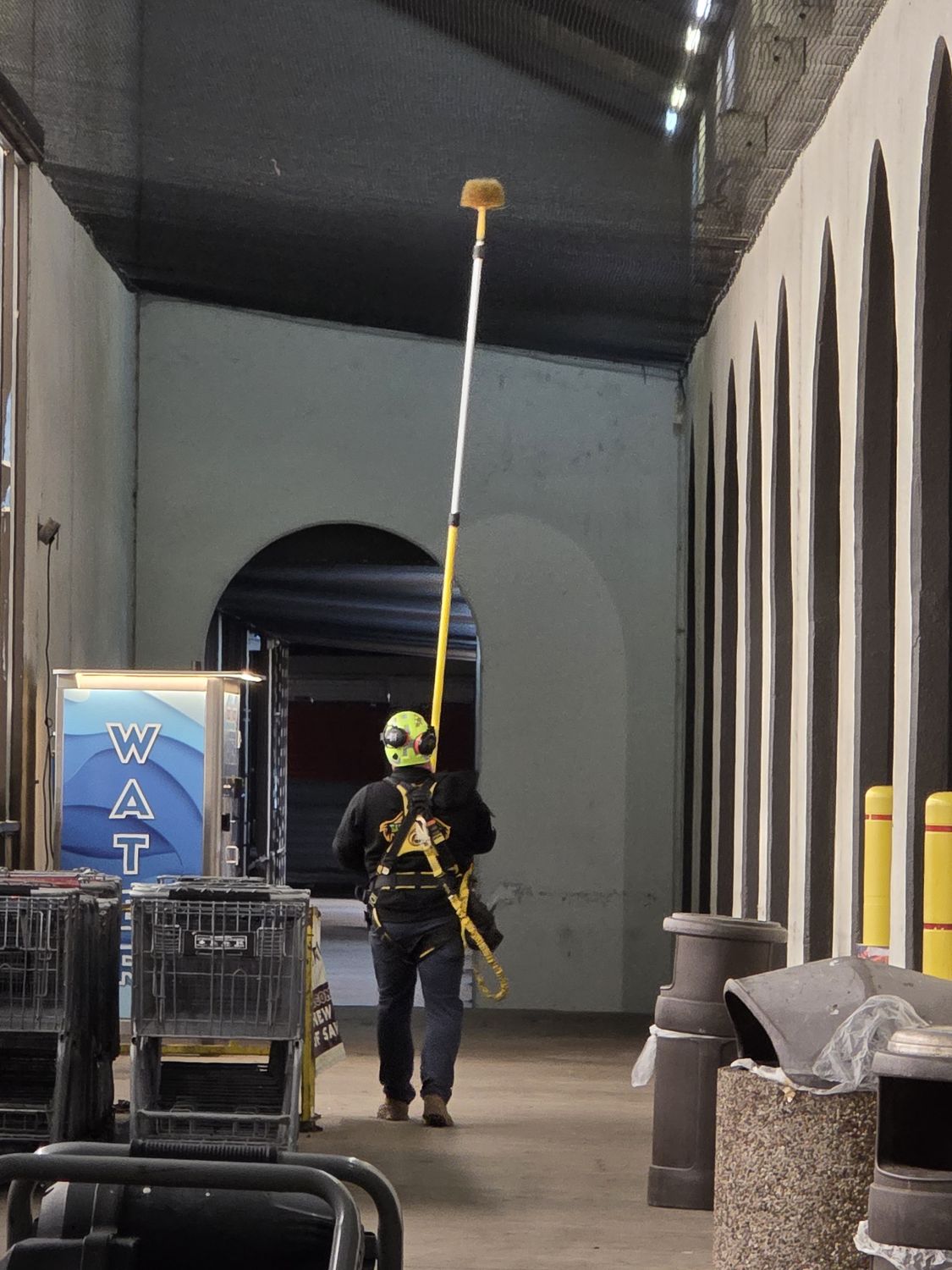
The first job is confirming the insect, because skin reactions in older adults have many causes and treating the wrong problem wastes time. Once confirmed, the rooms on either side and across the corridor are inspected, since bed bugs can travel through wall voids and on shared furniture and linens. Treatment follows the approach on our bed bug control page: preparation, treatment of every hiding spot in the room, and a return visit to catch any that hatched since.
What is different in senior living is preparation. A resident cannot always bag their own clothing or move furniture, so staff and family usually do it, and the prep list is written for them. We do not use detection dogs; the inspection is visual and manual, backed by monitors and interceptors under bed legs where they help.
What an auditor looks for
The paperwork matters because a surveyor or an administrator reads it without the technician present. Ours is built so that a stranger can follow it:
- every visit dated, with the areas serviced and the person who did the work;
- what was found and where, tied to the numbered device map;
- any product used, how much, and where it went;
- what the facility was asked to fix, and whether it has been fixed;
- bed bug rooms listed one by one, with follow-up dates;
- a trend view over months, so a committee can see whether a wing is improving.
Open corrective items stay on the list until someone closes them. A gap under the kitchen door noted in March and still open in June is exactly the kind of thing a review should catch, and it is far better caught by the facility than by an outside reviewer.
The dietary department often gets the closest look, because a kitchen feeding residents three times a day is held to food-safety expectations as well as the facility rules above. Our guide to Texas food establishment pest rules shows how the Food Code’s pest sections are worded, and they are a sound yardstick for what a reviewer expects to find in a care kitchen: no live activity, harborage closed, and devices emptied often enough that catches never pile up.
Clinics, medical offices and smaller practices
Not every healthcare account is a nursing home. A family practice in Tomball, a dental office in Cypress or an outpatient clinic in Conroe has a simpler building, closes at night, and has no residents sleeping on site. Those programs are usually monthly, focused on the break room, restrooms, plumbing, the exterior and the door seals, and serviced after hours or before the first appointment. The record follows the same pattern, just shorter.
What we ask of the facility
Name one contact who can approve visit times and take findings. Tell us when renovation or construction is planned, because opening walls and roofs lets pests in faster than anything else a building does. Report sightings the day they happen, with the room and the time. And close the corrective items on the list, since a sealed gap is worth more than any visit.
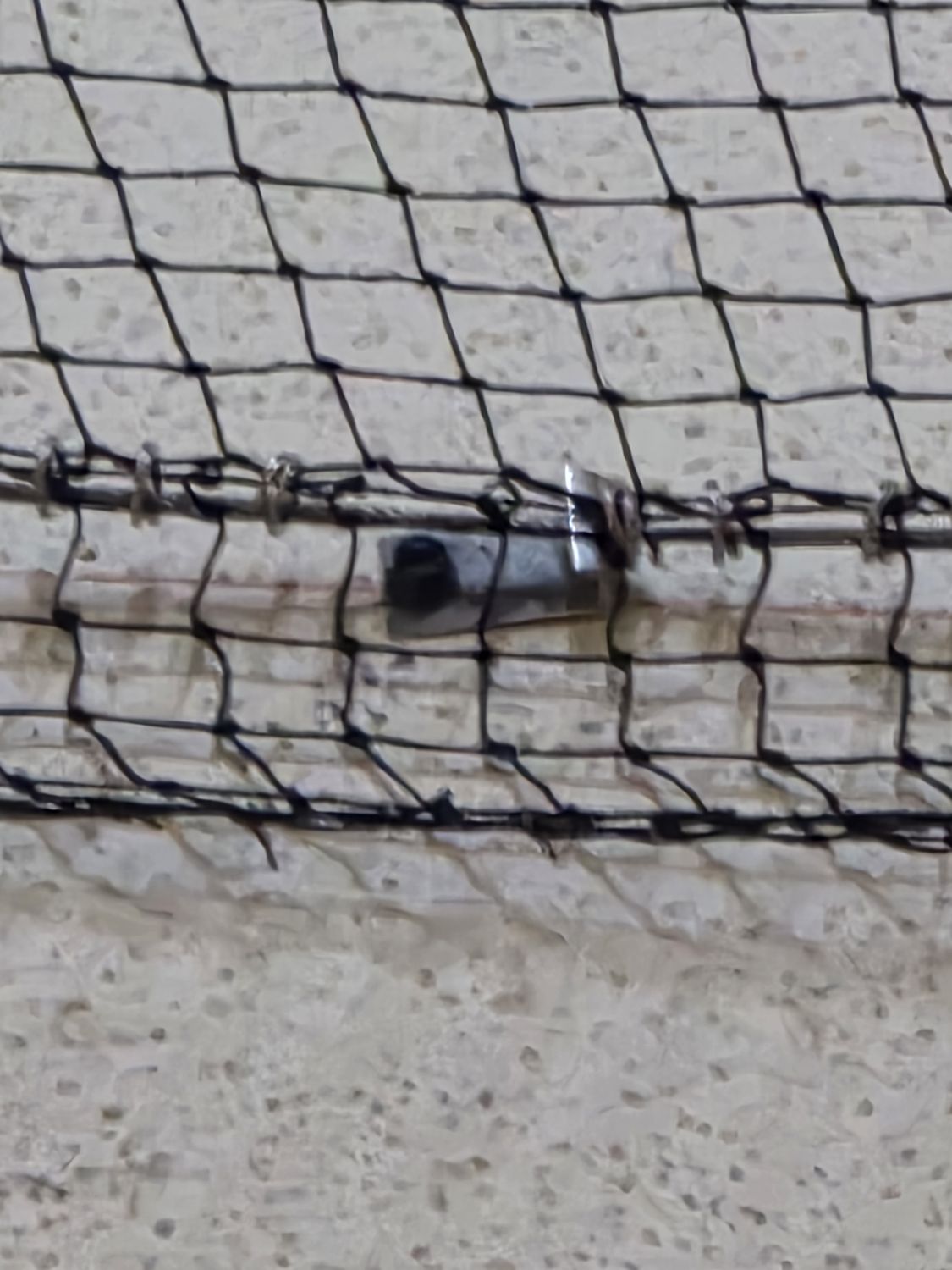
Programs start with a free inspection of the property and a written proposal. We serve care facilities across Harris County and Montgomery County. To arrange a walk-through, use our contact page.
Frequently asked questions
Can you work in occupied resident rooms?
Yes, with your staff deciding when. Most room work is inspection and monitoring, which is quiet and brief. When a room needs treatment, we agree the time with nursing, follow the product label on re-entry, and log the room so the next shift knows what happened there.
Do you treat bed bugs that come in with a new resident?
Yes. The first step is confirming it really is a bed bug, then checking the rooms on either side and across the hall. Treatment follows the same confirm, prep, treat and follow-up approach we use everywhere, adjusted to what the resident and nursing staff can manage.
Will your records satisfy a state or federal survey?
We cannot promise any survey outcome, and nobody honest can. What we provide is a dated record of every visit, a device map and open corrective items. Whether the facility meets its own obligations depends on its policies and its follow-through, which surveyors judge.
Do you coordinate with infection prevention or environmental services?
We want to. Those two teams see the building every day and we see it on a schedule. A short call before the program starts, and a named contact afterward, makes the difference between findings that get fixed and findings that sit in a binder.
What about medical offices and clinics that close at night?
They are simpler. A clinic that closes in the evening can be serviced after the last patient leaves, and most of its pressure is in the break room, the plumbing and the exterior. The record works the same way as it does for a residential facility.
This is one of the programs described on our commercial pest control page, which covers how a program is built, what the record looks like, and the compliance surface it contributes to. For a site walk, call or text 281-627-4810.
Commercial pest control in north Houston?
No long-term contracts, and service agreements are backed by our 100% Service Guarantee.
Because we are based in Spring, we can often come out the same or next day for urgent problems. Call before noon, Monday through Friday, for the best chance at next-day service.
Last updated