
Multifamily and Property Management Pest Control in North Houston
An apartment community needs two kinds of pest service: scheduled work on common areas and exteriors, and unit visits when a resident reports something or a unit turns over. We inspect the reported unit and its neighbors, treat what is confirmed, hand management the prep instructions to distribute, and log every unit.
Call 281-627-4810 Request a free inspection
What gets checked, at a glance
| Texas repair duty | Tex. Prop. Code §92.052: diligent effort to repair a condition that materially affects an ordinary tenant's health or safety, after notice |
|---|---|
| Written notice | §92.052(d): notice must be in writing only if the lease is written and requires it |
| Per-unit record | Unit number, date, what was found, what was treated, any product used, and whether a follow-up is booked |
| Adjacent units | Bed bug and cockroach calls: the units beside, above and below are checked and logged, not just the one reported |
| Common areas | Trash rooms, compactor pad, breezeways, mail and laundry rooms, pool area and exterior, on a fixed schedule |
| Resident notices | Management sends them; we supply the prep instructions and the visit schedule to include |
| Turnover units | Inspected and treated between residents, with the result recorded against the unit |
Why an apartment building behaves like one organism
A single-family house has four outside walls. A garden-style complex in Spring or a mid-rise in The Woodlands has hundreds of shared ones, plus shared plumbing chases, shared attics in older buildings and a trash room that every unit feeds. Pests use all of it. German cockroaches follow warm plumbing lines from kitchen to kitchen. Mice run the gap between a slab and a shared wall. Bed bugs walk through wall voids and ride on furniture moved down a breezeway.
That is why treating one unit at a time as complaints come in rarely ends anything. The source sits next door, and the complaint comes back with a different unit number. A community program is set up the other way round: the building is the unit of work, and individual apartments are entries in its record.
What Texas law says, and what it does not
Property managers ask about this constantly, so here is what the statute actually says. This is general information, not legal advice; your attorney and your lease decide how it applies to you.
Chapter 92 of the Texas Property Code governs residential tenancies. Under §92.052, a landlord must make a diligent effort to repair or remedy a condition when the tenant gives notice to the place rent is normally paid, is not delinquent in rent when notice is given, and the condition materially affects the physical health or safety of an ordinary tenant. A serious infestation can be that kind of condition. The same section says the landlord generally has no duty to remedy a condition the tenant, an occupant or a guest caused, other than normal wear and tear, and that notice must be in writing only if the lease is written and requires written notice.
The remedies sit in §92.056, which sets out when a landlord becomes liable and creates a rebuttable presumption that seven days is a reasonable time to repair, judged against the severity of the condition and other factors. And §92.061 says the duties in this subchapter replace the common-law warranties and duties, habitability among them. That is a good reason to describe a Texas landlord’s obligation in the statute’s own words, a duty to repair or remedy, rather than borrowing terms from other states.
What the statute does not do is tell you who pays for routine pest service. That comes from the lease. What it does reward is a property that responds promptly to a written report and can show what it did, and that is where the pest record earns its keep.
The scheduled side: common areas and exterior
The recurring part of the program covers what management controls directly:
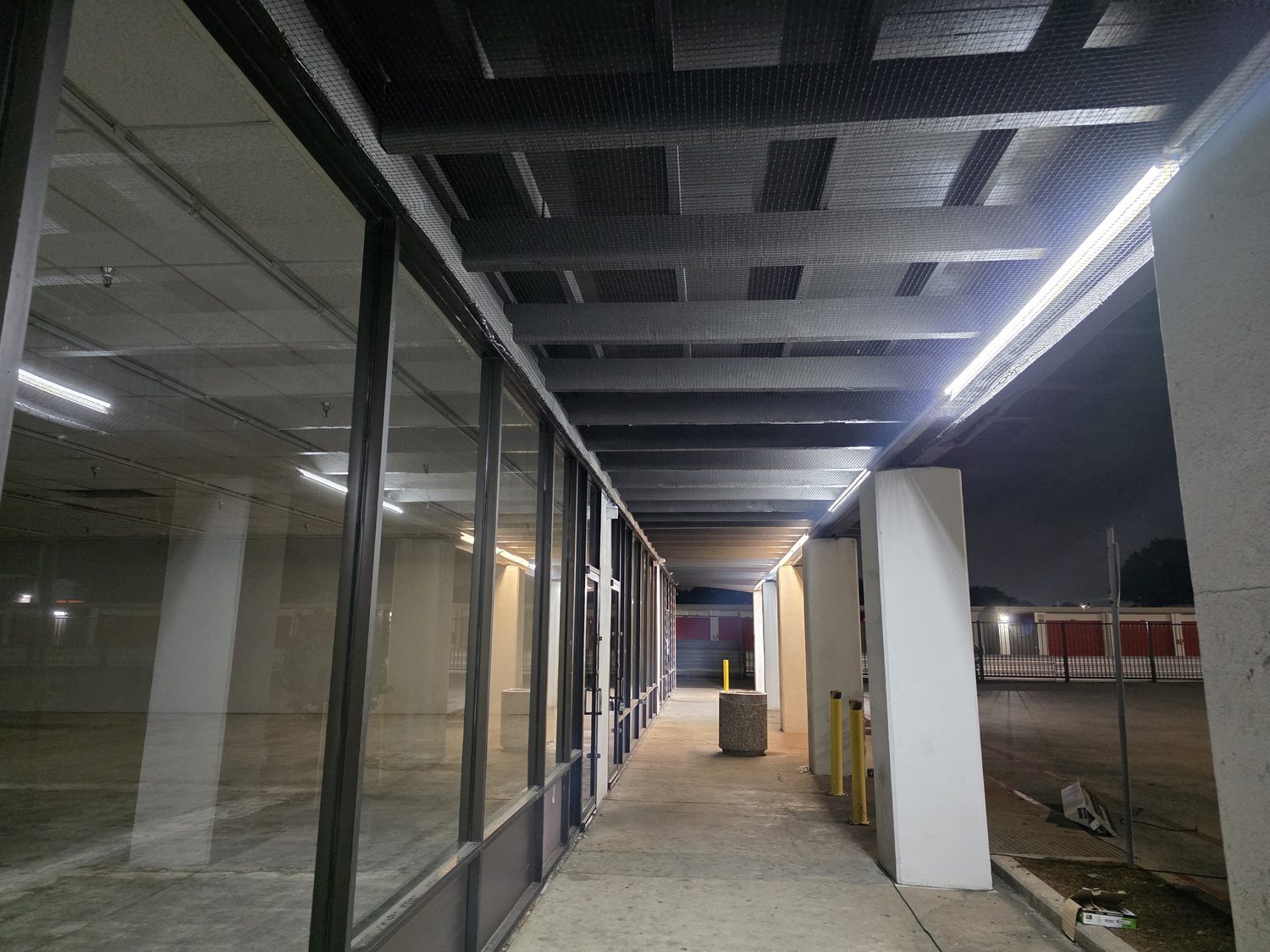
- trash rooms, chutes and the compactor or dumpster pad;
- breezeways, stairwells, mail rooms and laundry rooms;
- the leasing office, clubhouse, fitness room and pool area;
- the building perimeter, foundations, landscape beds and weep holes;
- bait stations and monitors around the exterior, numbered on a site map.
On north Houston properties the exterior work also takes in fire ants in common lawns and playgrounds, wasps under stair landings and eaves, and mosquitoes around retention ponds, drainage swales and pool equipment after a wet week.
The unit side: reports, follow-ups and turnovers
A resident call starts with the reported unit and the ones that share walls, floors or plumbing with it. For cockroaches that means checking under sinks, behind appliances and along plumbing penetrations. For rodents it means finding the entry, which is often a gap at the water heater closet or a dryer vent, and sealing it alongside any trapping or baiting. Our exclusion and repairs work covers the sealing.
Turnover units get attention before the next resident moves in. An empty unit is the easiest one to inspect properly: no furniture, no stored food, nobody’s schedule to work around. A problem found there costs far less than the same problem found three weeks into a new lease.
Older complexes and newer ones
Property age changes the work. A 1970s or 1980s garden-style complex in Humble or north Houston often has shared attic space across a building, worn door thresholds, gaps around original plumbing and decades of patched penetrations. Roof rats find those attics from the trees and the power lines, and the sound of them overhead is a common resident complaint. That property needs real sealing work at the roofline and around utility entries before baiting can hold, and our page on roof rats in the attic explains how they get in.
A newer mid-rise or wrapped building in The Woodlands or along the Grand Parkway corridor has tighter construction but more shared mechanical space: garages, trash chutes, corridors that connect every floor. There the pressure concentrates in the chute rooms and garage edges, and a bin left open on one floor shows up as cockroach calls on two others.
Leasing, maintenance and the pest vendor
The best multifamily programs have one person in the office who owns pest calls. Leasing staff take the resident report, maintenance knows which units have plumbing or appliance work open, and the pest vendor sees the building on a schedule. When those three never talk, the same unit is reported, treated and reported again while the gap behind its kitchen sink stays open.
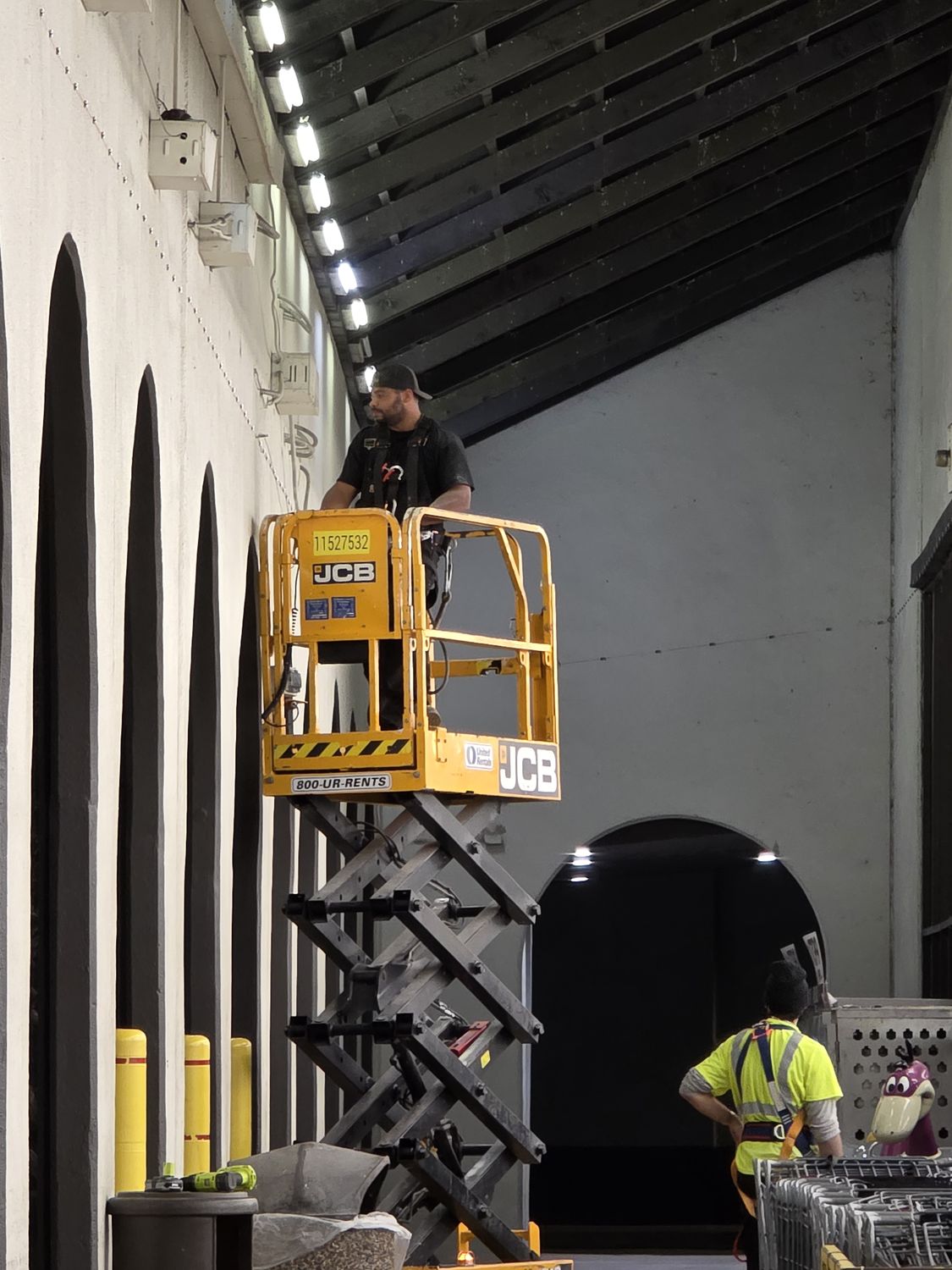
We ask for a unit list before each service day, a note of any resident who needs special scheduling or assistance, and a quick read of our findings by maintenance afterward. In return the office gets corrective items written in plain language: “gap under the water heater closet door, unit 214” rather than “conducive conditions noted.”
Bed bugs across a portfolio
Bed bugs are the call property managers dread most, partly because of what they do to resident trust. The EPA’s guidance for landlords is worth reading in full. It recommends inspecting promptly when bed bugs are reported, evaluating neighboring units, involving residents because their cooperation is vital, and avoiding a culture of blame, since residents who fear being blamed delay reporting and the infestation grows. It also notes that some researchers recommend treating all adjacent units, both sides, above and below.
Our approach follows the same logic. Confirm the insect first. Inspect the units on either side, above and below. Treat the confirmed units with the preparation, treatment and follow-up visit described on our bed bug control page. Log every unit, including the ones that came up clean, because a clean result is information too.
Prep is where multifamily bed bug work usually succeeds or fails. We write the prep instructions; your office distributes them, schedules access and follows up with residents who need help. Elderly or disabled residents may need assistance with bagging and moving furniture, and planning for that before treatment day saves a wasted visit.
The record, unit by unit
A portfolio manager or an owner’s representative should be able to read the file without calling us. Each entry carries:
- the unit or common area, and the date;
- who reported what, and when we inspected;
- what was found, including “nothing found”;
- what was treated and with what, and where;
- what the property was asked to fix, such as a gap behind a stove;
- the follow-up date, and the result when it happens.
Across months that file becomes a map of the community. A building that keeps producing cockroach calls usually has a plumbing chase or a trash room problem, and the record shows it.
What an auditor looks for
Apartment communities seldom face a pest auditor in the food-plant sense. The reviews that do happen come from an owner’s asset manager, a lender’s property condition visit or a buyer’s due diligence ahead of a sale, and each of them is asking one question: does this property respond when a resident reports a problem? The evidence they want is a chain of dates, from the written complaint to the visit, the finding, the follow-up and the repair the property made.
A community that runs a kitchen serving residents or the public, such as a café in a senior building, should ask whether that room is permitted as a food establishment. If it is, the pest rules in our guide to Texas food establishment pest rules apply there, and its service records should be kept apart from the unit file.
Portfolios and multiple sites
Owners with several properties across Cypress, Klein, Tomball, Conroe or Humble usually want one program and one reporting format, with each site still serviced on its own schedule. That works well, and it lets an asset manager compare sites honestly: which ones generate calls, which ones are quiet, and whether the quiet ones are quiet because nobody is reporting.
Starting
A program begins with a free inspection of the property, a walk of the common areas and a sample of units, then a written proposal. We serve communities across Harris County and Montgomery County. Use our contact page to set up the walk.
Frequently asked questions
Do you contact residents directly?
No. Notifying residents stays with your office, since that is your relationship and your lease. We give you the prep instructions and the visit schedule to send out, and our technician works from the unit list you approve. If a resident asks the technician a question on site, we answer it plainly.
A resident reported roaches. Do you treat the whole building?
Not automatically. We inspect the reported unit and the units that share walls, floors and plumbing with it, then treat where activity is confirmed. If the inspection shows a wider spread, we say so in writing and propose a building-wide plan for you to approve, rather than treating units nobody checked.
Do you use bed bug dogs?
No. Inspections are visual and manual, with monitors and interceptors where they help. A careful technician checking mattress seams, frames, furniture and baseboards in the reported unit and its neighbors gives you a confirmed finding to act on and a record of exactly what was seen.
Can the record help in a dispute with a resident?
It shows what was reported, when we inspected, what we found and what was done, unit by unit. That is useful in a lot of conversations. Whether it settles a dispute is a legal question for you and your attorney, and nothing on this page is legal advice.
Do you handle mosquitoes around retention ponds and pools?
Around buildings, amenities and landscaping, yes, as part of the exterior program. We treat the shady resting areas and show maintenance which standing water can simply be removed, such as clogged gutters and pool equipment pads. Treating a retention pond itself is a separate question, scoped on the walk.
This is one of the programs described on our commercial pest control page, which covers how a program is built, what the record looks like, and the compliance surface it contributes to. For a site walk, call or text 281-627-4810.
Commercial pest control in north Houston?
No long-term contracts, and service agreements are backed by our 100% Service Guarantee.
Because we are based in Spring, we can often come out the same or next day for urgent problems. Call before noon, Monday through Friday, for the best chance at next-day service.
Last updated