
Pigeon Control in Houston
Pigeon control on a Houston commercial property means mapping where the flock lands, sleeps and nests, then fitting a physical barrier to each of those spots: spikes or bird wire on ledges and sign tops, netting across garage beams, warehouse bays and dock canopies, and sealed openings. Rock pigeons are not federally protected, so nests can be cleared.
Call 281-627-4810 Request a free inspection
Year-round protection plans from $70 Core · Premium · Legendary See the plans

What to do, in order
- Walk the property at midday and again at dusk, and mark every ledge, beam, sign and canopy where pigeons sit or sleep.
- Check parapets, sign cabinets, garage beams and dock canopies for nests, since a nesting site holds the flock in place.
- Find what feeds them: open dumpsters, spilled product at the dock, or people tossing bread near the entrance.
- Match a barrier to each spot: spikes or bird wire on perches, netting over open structures, sealing for gaps and cavities.
- Cover every perch in the same visit, so the birds have nowhere nearby to shift to.
- Keep a written record of what was installed and where, then re-inspect to catch new landing spots.
Where pigeons settle on a commercial property
On a shopping center, office park or distribution building in north Houston, rock pigeons rarely use just one spot. A typical site has several working together, and each one needs its own answer.
- Roofs and parapets. Flat parapet caps, coping, rooftop HVAC curbs and the ledge along a mansard are daytime loafing spots with a view of the lot.
- Signage. The tops of channel letters, the open backs of sign cabinets and the cavity behind a pylon sign face give shade and a flat place to build.
- Parking garages. Exposed beams, conduit runs and the ledges where decks meet columns are sheltered from rain and wind, which is why garage floors under them collect droppings fast.
- Warehouses. Open bay doors let pigeons into the roof trusses and rack tops. Once inside, the building becomes an indoor roost.
- Loading docks. Dock canopies, light fixtures and the steel over the doors sit right above spilled product and pallets.
Texas A&M AgriLife’s leaflet on controlling feral pigeons says the birds are mainly grain and seed eaters and that city shelter gives them abundant places to live and breed. A building that offers both, in the form of a dock with spilled feed or a dumpster corral with the lids up, is the one that ends up with the flock.
What pigeon control in Houston covers on a commercial site
Our bird control work follows the same order on every site: inspect, plan, install, then monitor. The inspection identifies the species and produces a pressure map and photo record of where the birds loaf, roost and nest. The plan then pairs a barrier with each surface.
| Area | Usual barrier |
|---|---|
| Parapets, coping and roof ledges | Spikes along the full length of the perch |
| Sign tops and channel letters | Spikes or bird wire, plus sealing of open cabinet backs |
| Garage beams and conduit runs | Netting below the beams, or spikes on exposed ledges |
| Warehouse trusses and open bays | Netting to close off the roof space |
| Dock canopies and light fixtures | Netting under canopies, spikes or wire on fixtures |
| Vents, gaps and cavities | Structural sealing |
The point of covering them all in one plan is that pigeons move rather than leave. Spike the parapet and leave the sign, and the flock is on the sign the next morning. The barriers are non-lethal, and the aim is to make the whole property useless to the birds, not to thin the flock while the roosts stay open.
Pigeon control and the law
Rock pigeons are one of the few birds where the law gets out of the way. The U.S. Fish and Wildlife Service’s notice of its final list of non-native bird species names the rock pigeon among the introduced birds that fall outside the Migratory Bird Treaty Act. Texas Parks and Wildlife’s page on protected wildlife species adds that feral pigeons may be killed at any time and their nests and eggs destroyed.
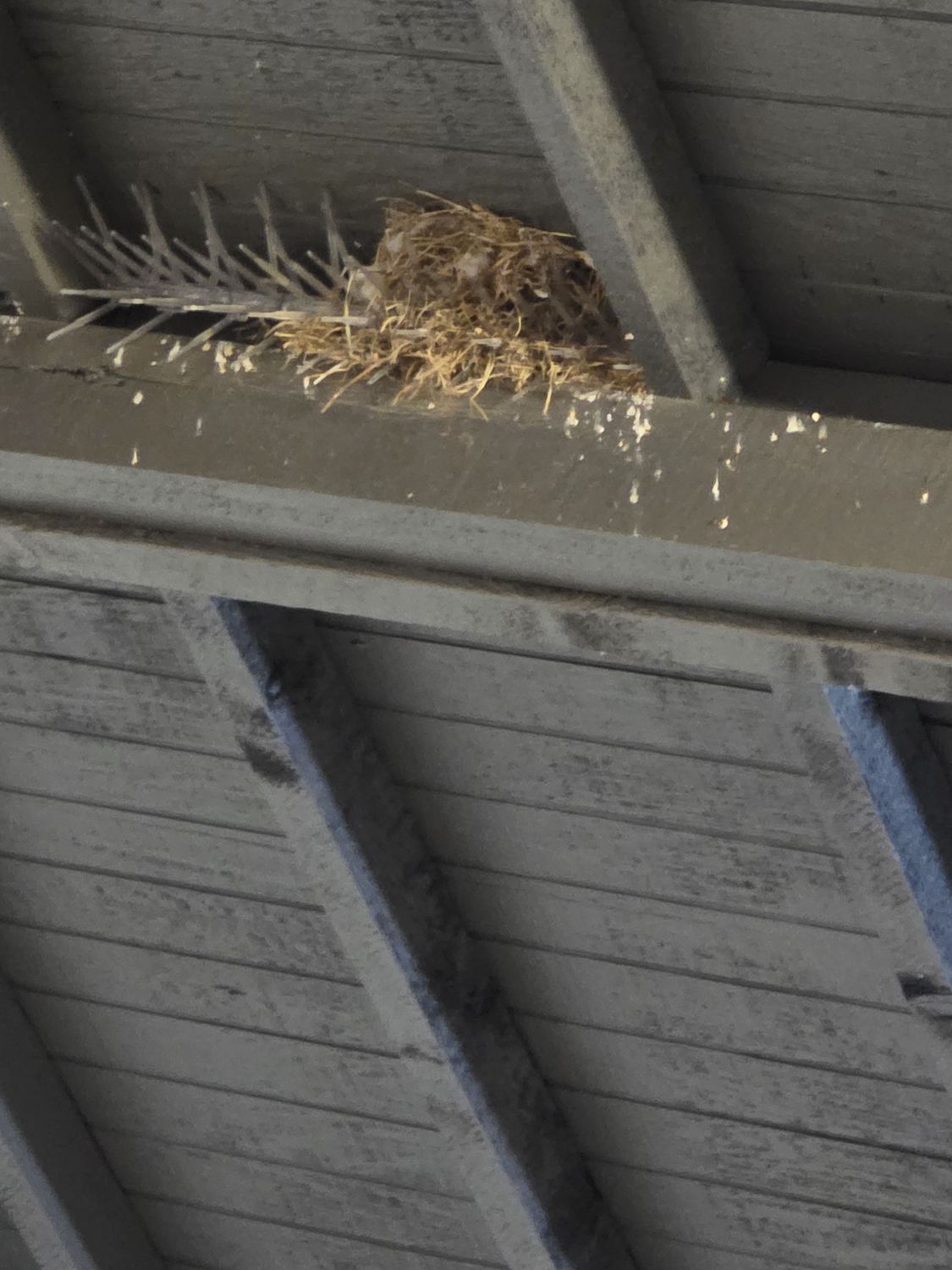
That means nests on a garage beam or under a dock canopy can come out as part of the job, at any time of year. The catch is identification. Mourning doves and white-winged doves nest on buildings too, and they are native and protected, as are the grackles that often share a retail roofline. The full legal picture is on our guide to bats, birds and wildlife law in Texas.
What the alternatives involve
Property managers are often sold quicker fixes first. AgriLife’s leaflet describes several and is frank about their limits:
- Poison baits are restricted-use pesticides and, according to the leaflet, generally not recommended in urban areas because of the risk to people and pets.
- Shooting is ruled out in town, since most cities ban firing guns within city limits.
- Trapping can lower the count, but the ledges and beams stay open for the next birds to use.
- Scare devices such as noisemakers, fake hawks and ultrasonic units get little support from the leaflet for urban pigeons.
What it does back is closing access to indoor roosts with hardware cloth, wood, masonry, glass or metal, and fitting metal prongs to ledges and rooflines. Those are the same physical measures our installs are built on.
The paper trail for managers and auditors
For grocery, food distribution, restaurant and warehouse sites, droppings near entrances, docks and stored product are more than a cosmetic issue. Our commercial bird jobs come with documentation: the pressure map and photos from the inspection, a record of each barrier and where it went, notes from monitoring and re-inspection visits, and a sanitation action list for the facility’s own team. That file is what a manager hands over when an auditor asks what was done about birds. Sites that need pest work beyond birds can fold it into our commercial program, and there are notes for specific settings on our pages for warehouses and distribution and restaurants and food service.
Droppings and health
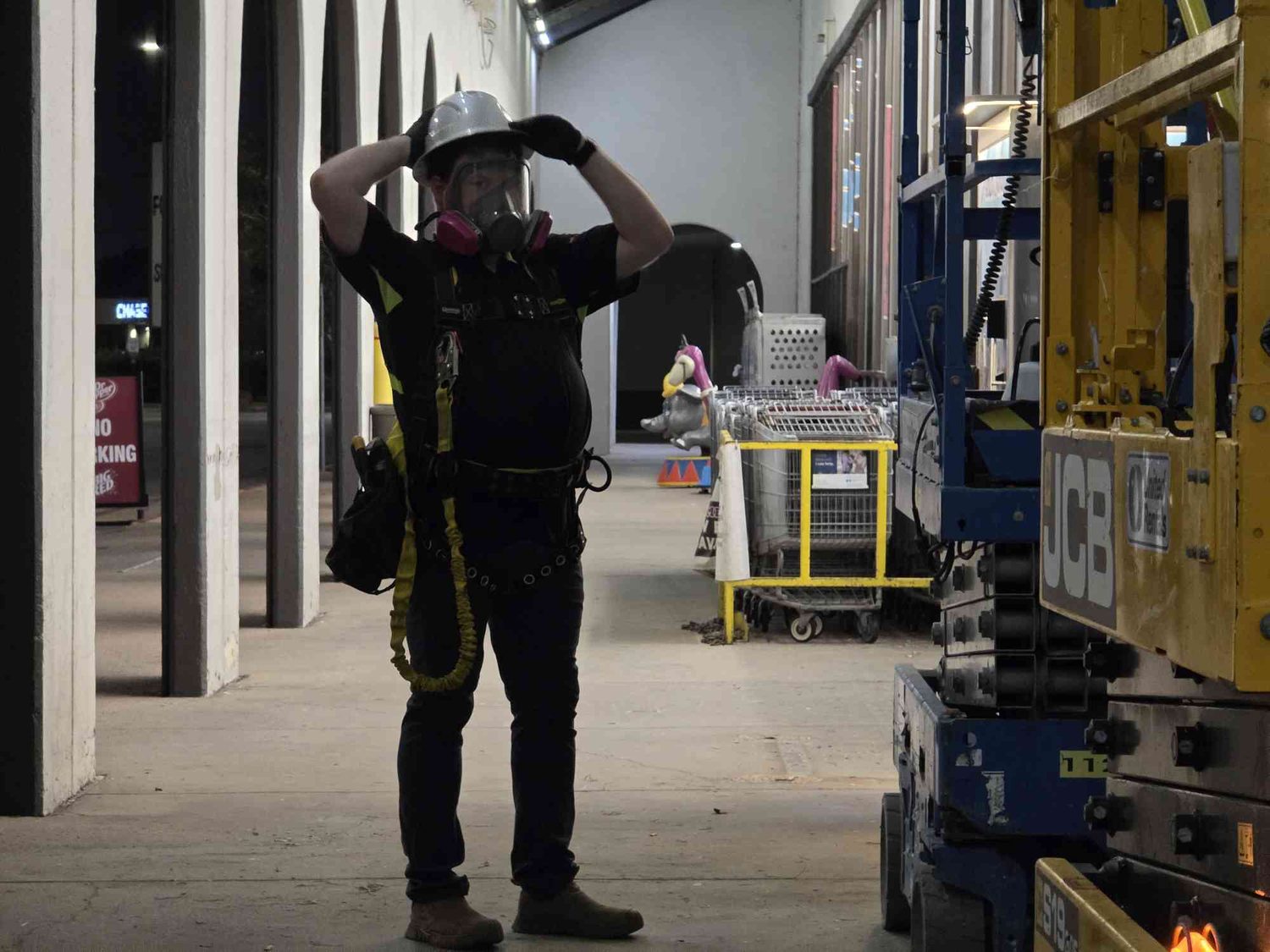
Years of pigeon use leave heavy deposits on garage floors, rooftop units and warehouse racking. AgriLife lists histoplasmosis and cryptococcosis among the diseases pigeons play a part in spreading, and advises a dust-filtering mask for anyone working inside an enclosed roost. Our bird droppings cleanup page covers what the CDC and NIOSH say about cleaning it safely, and why a large buildup belongs with a specialist.
Related pages
If the problem is one house or one storefront roof rather than a whole commercial site, start with pigeons on a roofline. The biology and legal status of the bird itself are on our rock pigeon profile. Other birds on commercial buildings have their own pages: grackle control for parking lot roosts and sparrow control for nests in signs and vents. Terms of our 100% Service Guarantee apply to this work too. For a free inspection of your site, contact us.
Frequently asked questions
Why do pigeons keep coming back to the same building?
Pigeons are creatures of routine. Texas A&M AgriLife's pigeon leaflet notes that they tend to stay in the same feeding and roosting areas, so a flock that has found shelter and food on one property returns daily until the ledges and beams it uses are physically closed off.
Can pigeon nests be removed from a parking garage or warehouse?
Yes. The U.S. Fish and Wildlife Service lists rock pigeons among the nonnative birds that the Migratory Bird Treaty Act does not protect, and Texas Parks and Wildlife says feral pigeons may be taken at any time and their nests and eggs destroyed. Confirm the birds are pigeons, not native doves, first.
Is poison bait an option for pigeons on a commercial building?
Not one we use. AgriLife's leaflet says toxic grain baits for pigeons are restricted-use pesticides and not generally recommended in urban areas because of the danger to people and pets. Our bird work is non-lethal and relies on spikes, bird wire, netting and sealing.
How is this different from the pigeons on a roofline page?
That page walks through pigeons on a house or single storefront roof. This one covers larger commercial sites, where the flock is spread across roofs, signage, garage decks, warehouse bays and docks at once, and where the work usually needs a written record for a manager or auditor.
Do you clean the droppings as part of pigeon control?
No. We install the barriers and give the facility a written list of what needs cleaning and how. Your own staff or a cleaning contractor does the cleanup, and dried droppings should be wetted first and never dry-swept, as our droppings cleanup page explains.
Bird Control in north Houston?
No long-term contracts, and service agreements are backed by our 100% Service Guarantee.
Because we are based in Spring, we can often come out the same or next day for urgent problems. Call before noon, Monday through Friday, for the best chance at next-day service.
Last updated