
Flea Control in Spring, Texas
Spring has no city government, so stray cats and wildlife fall to Harris County or Montgomery County, and Harris County returns many sterilized community cats to the streets where they were found. Those cats, plus opossums from the Spring Creek and Cypress Creek woods, keep restocking shaded yards with fleas. Treating the house alone rarely ends it.
Call 281-627-4810 Request a free inspection
Year-round protection plans from $70 Core · Premium · Legendary See the plans
Spring, TX on the map
Fleas in Spring: at a glance
| Who governs it | No city; the Spring area is unincorporated Harris County south of Spring Creek and Montgomery County north of it |
|---|---|
| Community cats | Harris County Pets sterilizes, vaccinates and ear-tips community cats, then returns them to their home area |
| Wildlife habitat | Woods along Spring Creek and Cypress Creek, Mercer Arboretum and the preserve at Springwoods Village |
| Typhus reports in 2024 | Texas DSHS lists 83 Harris County cases and 13 Montgomery County cases for 2024, both provisional |
| Included | Inspection, a prep list, indoor treatment with a growth regulator and treatment of shaded outdoor spots |
| Not included | Treating pets themselves, which is your veterinarian's job, and removing animals unless booked separately |
Spring is a name on a lot of mailboxes and not on any city hall. There is no City of Spring, which means no city animal control, and stray animals here are a county matter. South of Spring Creek that county is Harris; north of it, in communities such as Harmony and Legends Ranch, it is Montgomery. That arrangement shapes flea work in Spring more than most people expect, because the animals that bring fleas into a yard often stay.
Community cats are part of the neighborhood
Harris County Pets runs a Community Cat Program built on Shelter-Neuter-Return. Cats brought in or surrendered to animal control are sterilized, vaccinated and ear-tipped, then returned to their home area. The shelter does not rent traps or offer trapping. Fewer kittens over time is the point of the program; a fully flea-free cat population is not.
For a homeowner in unincorporated Spring, the takeaway is practical. A free-roaming cat that sleeps under your deck may be a permanent neighbor, and every night it beds down there, eggs drop into the soil. Texas A&M AgriLife’s flea guidance names wild cats among the animals that can seed an infestation around a building, and says outdoor larvae grow in moist, shaded spots near where animals rest. The fix is to make your lot a poor place to sleep: close off decks, sheds and the gap under the AC pad, and treat the shaded ground where the cat has been bedding.
Two creeks and a lot of woods
Spring sits between Spring Creek on the north and Cypress Creek through the south, and both carry wooded corridors that opossums and raccoons follow. Harris County Precinct 3 calls Mercer Arboretum & Botanic Gardens a 393-acre property, with a bald cypress swamp on its west side, and allows leashed dogs on the arboretum side only. It sits about a mile and a half from the middle of the Spring census area.
The developer of Springwoods Village is unusually direct about its 150-acre preserve, listing opossums and raccoons among the residents. Both animals carry cat fleas, and homes along the preserve edge see more of them under decks and stoops than homes a few streets in.
Shade changes the size of the problem
AgriLife says larvae die below 50 percent relative humidity or once soil passes 95 degrees, and that sunny, well-kept lawns rarely hold many fleas. How much of a Spring yard stays shaded is the biggest difference between one neighborhood and the next.
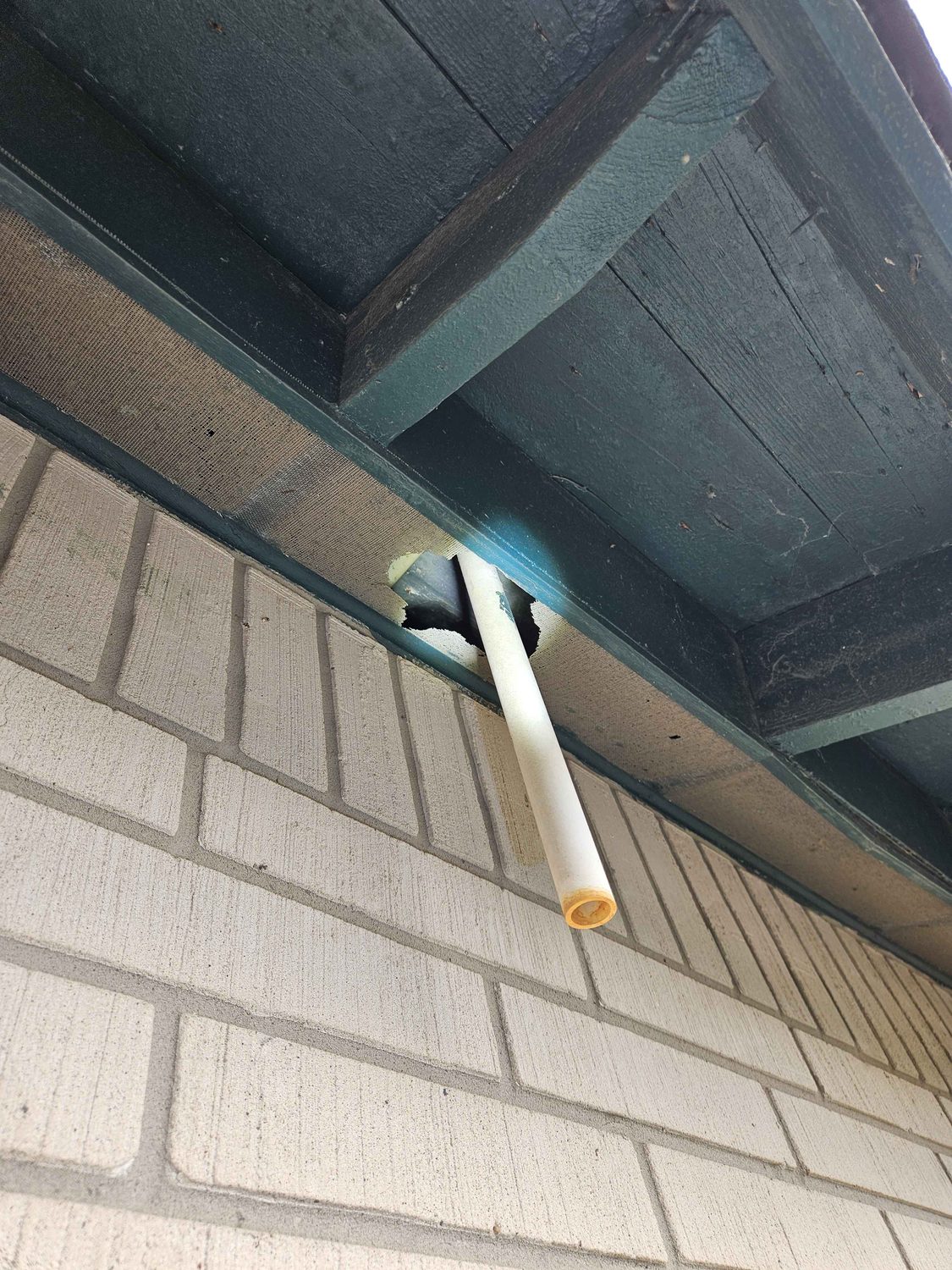
- Northgate Forest is defined by its canopy. Under mature pines and oaks, the soil across most of the yard stays shaded and damp, so larvae can survive well beyond the dog’s favorite corner. Treatment there covers more ground.
- Cypresswood has roughly 1,690 house lots of about 9,300 square feet, with Cypresswood Park and small streams inside the neighborhood. Mixed sun and shade means the fleas sort themselves into the shady beds, the side yard and the ground under decks.
- Newer sections north of the creek, such as Harmony, have younger trees and more open lawn, so fleas pack into the few shaded spots.
Typhus on both sides of the creek
The Texas DSHS flea-borne typhus page lists the Greater Houston area among the places where the disease has newly become established, and names cats, opossums and rats with their fleas as the animals involved. Its county case table puts 2024 at 83 reported cases in Harris County and 13 in Montgomery County, both provisional. The Spring mailing area straddles that county line, and the creek woods on both banks support the same host animals.
DSHS’s prevention list reads like a flea checklist for a Spring yard: clear brush and trash so rodents, opossums and stray cats cannot live there, mow, keep firewood off the ground, and do not leave pet food out overnight.
How a Spring flea visit runs
Our flea control page explains the treatment itself. What we add in Spring is attention to the animal side:
- Find where outside animals sleep on the lot, from flattened soil under a deck to hair on a crawl opening.
- Treat those shaded bedding spots along with the house.
- Recommend closing the openings, or book opossum removal and exclusion or raccoon removal and exclusion if an animal is living there now.
Fleas leaving dead rats look for new hosts, so if rodents are also in play we deal with fleas before rodent control starts, as DSHS advises.
Keeping the next round out
- Pick up outdoor pet bowls before dusk.
- Screen the space under decks, porches and sheds.
- Let light reach the soil by trimming low limbs and dense shrubs.
- Ask your veterinarian which flea preventive suits each pet, and keep it going in winter.
Households that would rather not start over each summer can pick the LEGENDARY plan in our Core Protection Programs; it bundles fleas and ticks, and there is no long-term contract. Each Spring visit falls under our 100% Service Guarantee. Our Spring page covers other local pests, and the free inspection starts on the contact page.
Frequently asked questions
There's an ear-tipped cat in our yard every night. Can the county just take it away?
An ear tip usually means the cat has already been through a community cat program. Harris County Pets describes returning those cats to their home area, so it is likely to stay. Blocking off the spots where it sleeps on your lot does more for fleas than another pickup.
We live in Harmony, north of Spring Creek. Is our flea service any different?
The treatment is the same. Your home is in Montgomery County, so stray animal questions go to Montgomery County rather than Harris County, and that is the only practical change.
Our street is full of big trees. Does that make fleas worse?
Usually, yes. Texas A&M AgriLife notes that fleas do poorly in hot, sunny lawns. Heavy canopy keeps the soil shaded and damp, which lets larvae survive across far more of the yard than on an open lot.
We walk our dog at Mercer. Is that a flea risk?
Precinct 3 allows leashed dogs only on the arboretum side. Any wooded trail carries some exposure, so keep your dog on the preventive your veterinarian recommends and check its coat after walks.
Flea Control in Spring?
No long-term contracts, and service agreements are backed by our 100% Service Guarantee.
Because we are based in Spring, we can often come out the same or next day for urgent problems. Call before noon, Monday through Friday, for the best chance at next-day service.
Last updated