
Drain Flies in a Bathroom in Spring and North Houston
Small gray, fuzzy flies resting on the bathroom wall are drain flies, also called moth flies. Their larvae live in the slimy film lining a sink, tub or floor drain. Pouring bleach down rarely helps. The film has to be scrubbed out or digested, and then the adults die off within a couple of weeks.
Call 281-627-4810 Request a free inspection
Year-round protection plans from $70 Core · Premium · Legendary See the plans
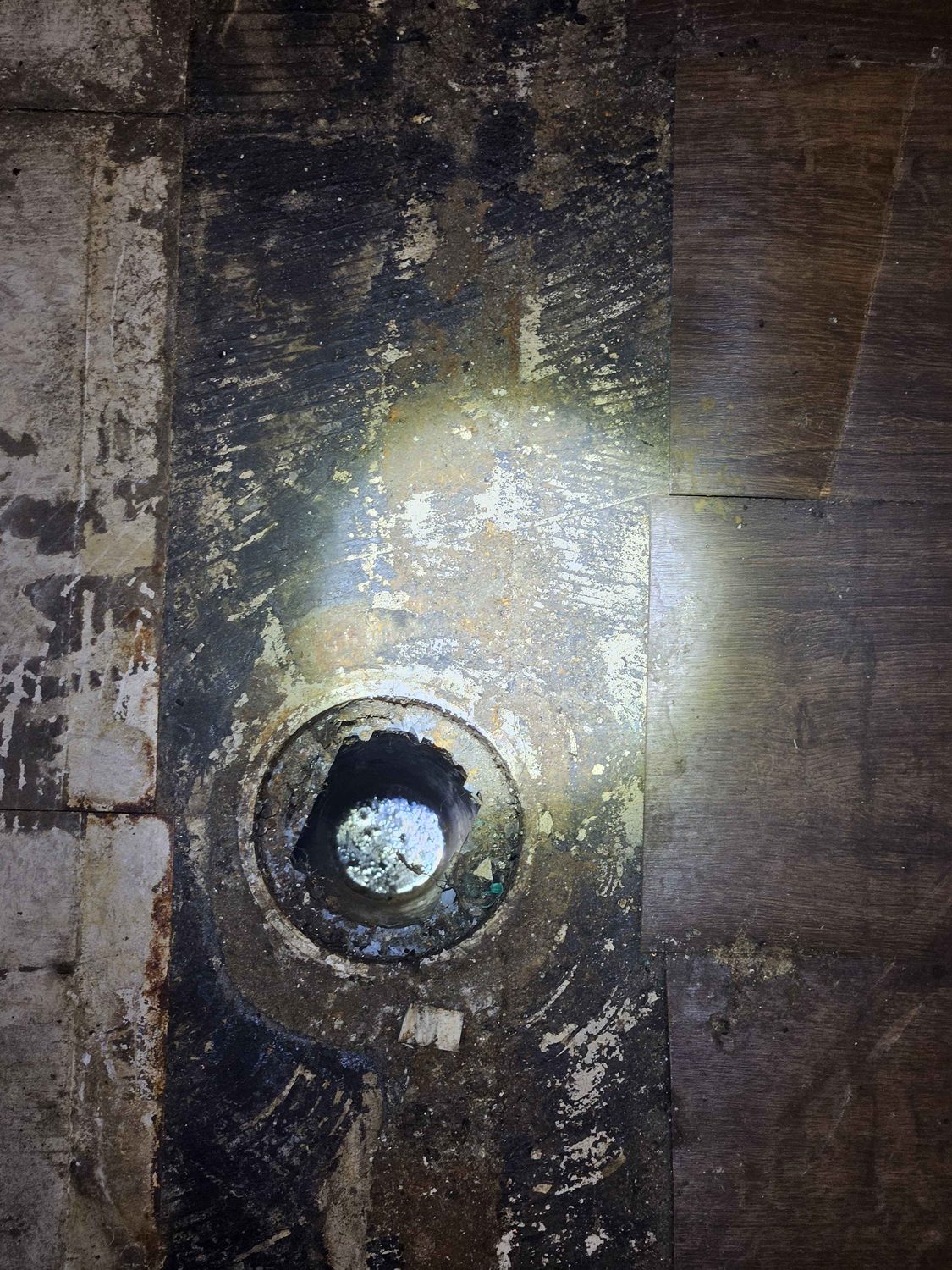
What to do, in order
- Tape a strip of clear packing tape across each drain in the room overnight, leaving a gap for air.
- Check the tape in the morning; flies stuck to the underside mark that drain as a breeding site.
- Pull the stopper or strainer and scrub inside the drain and trap opening with a stiff, narrow brush.
- Flush the scrubbed drain with plenty of very hot water to carry the loosened film away.
- Run water in rarely used showers, sinks and floor drains every week so traps stay full.
- Check the drip pans under the refrigerator and the air handler, and the tracks of sliding doors, for standing water.
- If flies are still coming up after two weeks of cleaning, call us to test the drains and treat the film.
What they usually turn out to be
The flies sitting motionless on the tile next to the shower, looking like tiny furry moths, are drain flies. Texas A&M AgriLife’s publication on indoor flies and their control describes them as small, gray and densely covered in hairs, between a sixteenth and a fifth of an inch long, with broad wings held flat or folded like a roof. They fly only a few feet at a time, which is why you find them near the drain they came out of rather than across the house.
Their larvae live in the thin microbial film that coats the inside of drains and feed on the algae, bacteria and fungi growing there. AgriLife gives the numbers: females lay masses of 20 to 100 eggs that hatch in under two days, the larval stage lasts 8 to 24 days and the pupal stage a day or two, and adults live up to two weeks. A drain with a healthy film can keep that cycle turning indefinitely.
The lookalikes
- Fruit flies are tan with red eyes and hover over the fruit bowl or the trash. They have their own page: fruit flies in the kitchen.
- Fungus gnats are slender and dark with long legs, and they rise from houseplant soil. See fungus gnats in houseplants.
- Phorid flies are humpbacked and tend to run across a counter before flying. A phorid problem that survives clean drains can point to a sewer leak under the slab, which is a plumber’s job.
If the flies are fuzzy, sit flat on the wall near a drain and only flutter a short way when disturbed, drain flies are the likely answer.
How to tell which drain
AgriLife describes a test that costs nothing. Lay clear packing tape across the drain opening without sealing it completely, since flies need some airflow to emerge, and check it later. Flies stuck to the underside mean that drain is producing them. Do every drain in the room, including the tub overflow and any floor drain, because the one doing the damage is often the guest shower nobody uses.

Unused drains are the usual culprit in north Houston homes for a simple reason. Water in a seldom-used trap sits warm and still, the film thickens, and nothing flushes it. A second bathroom kept for visitors, a wet bar sink or a laundry tub can breed flies for months before anyone connects the two.
What we do
This follows the method the owner describes for drain flies, and the broader service is on our fly control page.
- Test the drains. We check sinks, tubs, showers and floor drains, plus condensate pans and other hidden moisture, so we know exactly which ones are active.
- Break up the film. A drain brush goes into each active line to scrub out the slime layer mechanically.
- Digest what is left. A bio-enzymatic foam is applied to break down the remaining film the larvae feed on.
- Treat resting adults where they gather, when there are enough to warrant it.
- Point out leaks. A drip under a vanity or a cracked tile surround that stays wet becomes the next breeding site if it is left.
- Follow up to confirm the drains have stopped producing flies.
Our 100% Service Guarantee covers that work, and the terms are spelled out on the guarantee page.
Why sprays alone fail
Spraying the adults on the wall removes the ones you can see that day. It does nothing to the larvae sitting in the pipe, and with eggs hatching in under 48 hours there will be a new set on the wall within the week. AgriLife’s broader point on indoor flies applies here exactly: insecticides by themselves rarely end an infestation, and control works once the breeding site is found and removed.
When to call
Clean the drains yourself first, using the tape test to pick which ones. If flies are still appearing after a couple of weeks of brushing and flushing, the source is somewhere less obvious, such as a condensate pan, a loose tile with film underneath, or a leak. Call sooner in a restaurant, a clinic or a daycare, where flies around sinks and floor drains are a sanitation issue as well as a nuisance. Commercial accounts are set up through our commercial program. Homeowners can book a free inspection on the contact page.
Frequently asked questions
Are drain flies harmful?
They do not bite or sting. They are a sign that organic film has built up somewhere wet, and people mostly object to them landing on toothbrushes and counters. The film is the real problem, and clearing it is what ends the flies.
Why didn't bleach or drain cleaner work?
Texas A&M AgriLife says chlorine bleach and drain cleaner are largely ineffective at removing the film inside the pipes. They pass straight through. The film has to be scrubbed off with a brush or broken down by a product designed to digest it, often over several weeks.
I cleaned every drain and still have them. What now?
Look beyond the drains. AgriLife lists refrigerator and air conditioner condensate pans, cracked or loose tile, garbage can bottoms and sliding door tracks as breeding sites too. If none of those turn anything up, a leak under the floor or inside a wall may be keeping something wet.
Can drain flies come from a septic system?
They can breed in septic field lines, according to AgriLife. If you are on septic, make sure any drain product you use is compatible with the system, and mention the septic when you call so we pick materials that suit it.
Fly & Gnat Control in north Houston?
No long-term contracts, and service agreements are backed by our 100% Service Guarantee.
Because we are based in Spring, we can often come out the same or next day for urgent problems. Call before noon, Monday through Friday, for the best chance at next-day service.
Last updated