
Fungus Gnats in Spring and North Houston Homes
Flies
Fungus gnats are tiny, dark, long-legged flies that look like miniature mosquitoes but never bite. Their larvae live in the top layer of damp potting soil, eating fungi and fine roots. Letting soil dry between waterings is the first fix. A pot that stays heavily infested needs its soil treated or replaced, because indoor sprays only knock down adults.
Call 281-627-4810 Request a free inspection
Year-round protection plans from $70 Core · Premium · Legendary See the plans
Rarely worth treating. Usually this is a sealing or cleaning job.
Fungus gnats at a glance
| Size | One-sixteenth to one-eighth of an inch (1.5 to 3 mm) |
|---|---|
| Look | Slender and dark, mosquito-like, with long legs and bead-like antennae |
| Wings | Clear or dark |
| Bite | None; a nuisance only |
| Larvae | About a quarter inch, white, legless, with a shiny black head |
| Breeds in | Moist potting soil, occasionally the film inside drains |
| Peak season | Winter indoors, when houseplants tend to be overwatered |
Signs you have them
- Small dark flies rising out of a pot when it is watered or a leaf is brushed
- Gnats walking on the soil surface or the rim of a planter
- Gnats gathered on the inside of the nearest window or in front of a lit screen
- Thin, clear larvae with black heads in the top inch of soil when it is scratched
- A new outbreak a week or two after repotting with a fresh bag of soil
Gnats that come out of the flowerpot
Fungus gnats announce themselves when you water. A few tiny dark specks lift off the soil, drift up toward the nearest window and settle on the glass. Do it again tomorrow and there are a few more. They are a houseplant problem nine times out of ten, and they get worse when the plants are loved a little too much.
Texas A&M AgriLife Extension’s publication Indoor Flies and Their Control groups them under two families, Mycetophilidae and Sciaridae, and is reassuring about the important part: unlike mosquitoes, fungus gnats do not bite. The same publication allows that they can be a nuisance flying around one’s face or in front of a computer screen, which anyone who has worked at a desk beside a fiddle-leaf fig will recognize.
Identification
AgriLife describes adults as very small, one-sixteenth to one-eighth of an inch, slender, with clear or dark wings. They are mosquito-like in shape, with long slender legs and bead-like antennae, though far smaller than any mosquito.
That combination separates them from the other small indoor flies:
- Fruit flies are stockier, tan, with red eyes, and hang around fruit and trash.
- Drain flies are fuzzy, gray and moth-shaped, and sit flat on walls by sinks.
- Mosquitoes, such as the southern house mosquito, are larger, bite, and breed in standing water outdoors rather than in soil.
The larvae give a second confirmation. AgriLife describes them as about a quarter inch long, white, legless and slender, with shiny black head capsules. Scratch the top inch of soil in an infested pot and you can often see them as clear threads with a black dot at one end.
Biology and the Houston season
The larvae feed on fungi growing in potting soil and on plant roots. Their requirement is moisture: soil that stays damp near the surface grows the fungi they eat and keeps them from drying out. AgriLife notes that the larvae most often come from the potting media of houseplants, though some types feed on microbial films in drains much as drain fly larvae do.
The season runs against intuition. AgriLife says infestations from potted plants are most common in winter, when overwatering is more common. Plants grow slowly in short days, evaporation drops, and the same watering schedule that suited July leaves soil wet for days at a time.
Houston changes the details more than the pattern. Air conditioning dries indoor air in summer, but homes here often run humid in the shoulder months, and that keeps soil from drying even when watering is cut back. The other local pattern is the porch plant that comes inside for a cold snap in January. It brings its soil, its larvae and a winter of gnats with it.
Where they show up
- Houseplants, especially large pots with dense, peat-heavy mixes that hold water
- Seed trays and propagation stations, which are kept wet on purpose
- Self-watering planters and saucers left full of standing water
- Freshly repotted plants, when the bag of soil was the source; AgriLife notes infestations can come from soil infested in storage or at the manufacturer
- Sink drains, occasionally, for the types that feed on drain film
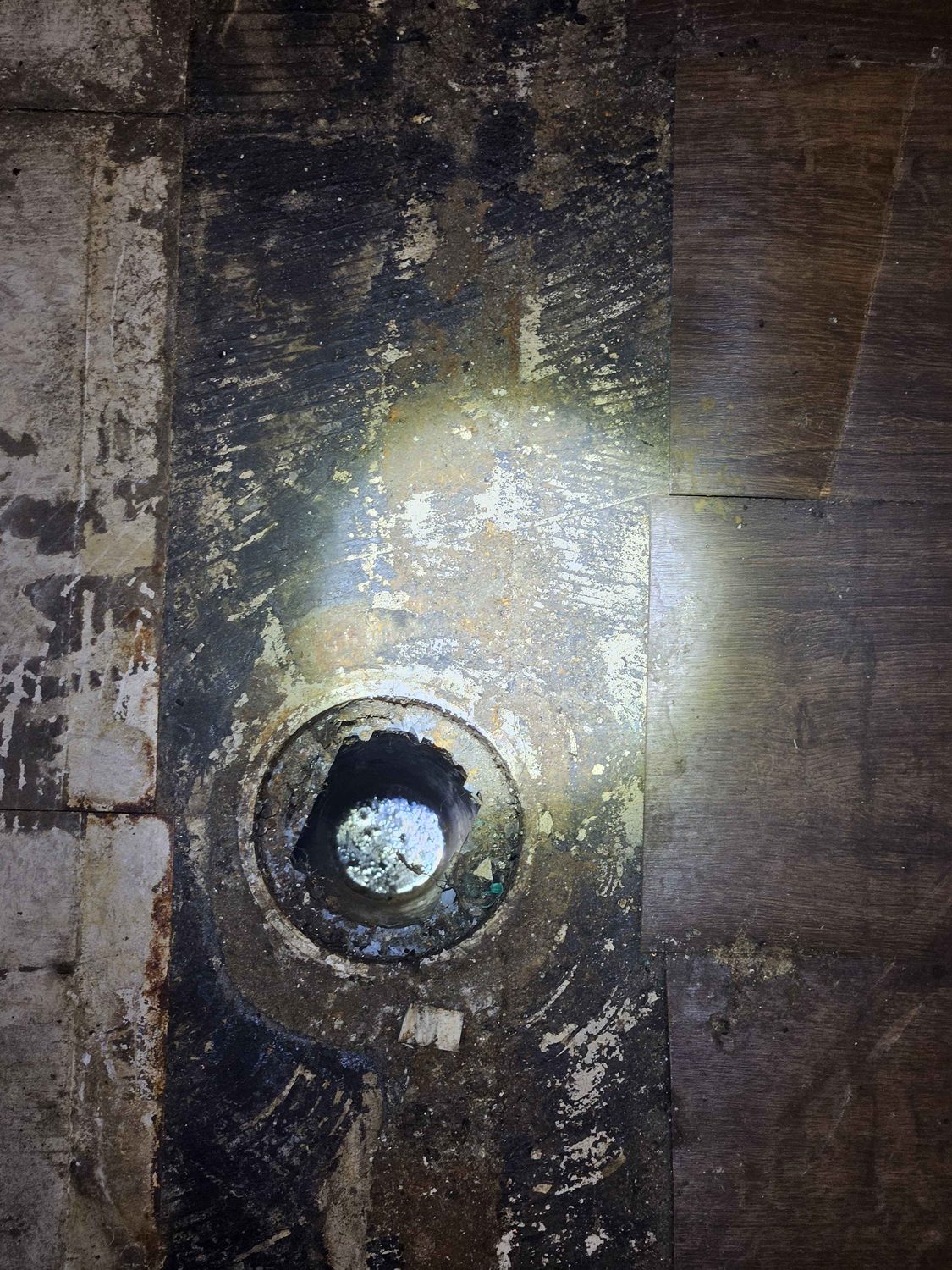
- Water-damaged rooms, where wet drywall, carpet pad or subfloor stays damp long enough to grow fungi
That last one matters in this part of Texas. After a storm or a plumbing leak, a sudden crop of small dark flies in a room with no plants is a sign that something under the surface is still wet.
Health and damage
Fungus gnats do not bite, sting or carry disease to people. They are an annoyance. The larvae can damage plants, though: feeding on fine roots weakens seedlings and young cuttings, and a stunted plant in waterlogged soil is often suffering from the larvae and the overwatering together.
What treatment realistically involves
This profile is marked “rarely worth treating” because the cause is a watering habit, and the fix is mostly in the homeowner’s hands. AgriLife sets out the order.
- Move the plant outside, if it can go. AgriLife says infestations from potted plants can be eliminated by moving the pots outdoors, which in a north Houston spring or fall is often realistic.
- Water less often. Where plants cannot move, watering less often so the potting soil can dry out will suppress an infestation.
- Treat or replace the soil when drying is not enough. Once fungus gnats are a problem, AgriLife cautions, reducing moisture alone may not give satisfactory control, and the pot and soil should be treated with an insecticide or replaced.
- Do not rely on sprays or fogs. AgriLife says indoor sprays and fogs may give temporary relief but will not solve the problem, because the only way to get rid of fungus gnats is to find and eliminate the breeding sites.
When a household has many plants, a plant-filled office, or a commercial space such as a lobby with large planters, our fly and gnat control service handles it the way the owner describes: the soil is treated with a larvicide such as a Bti-based product or beneficial nematodes, and we work through the watering routine with you so the problem does not rebuild. The problem page on fungus gnats in houseplants goes into that visit. If the gnats are coming from a water-damaged wall or floor rather than plants, drying the material out is the real work, and no treatment substitutes for it.
A quick check before you change anything
Before treating or throwing out soil, confirm which pots are the problem. Water one plant at a time over a couple of days and watch the surface as the water goes in. A pot that is breeding gnats usually gives itself away within a minute, as adults lift off the wet soil. Then scratch back the top inch with a spoon and look for the clear, black-headed larvae AgriLife describes. Pots where nothing rises and nothing turns up in the soil can be left alone.
Yellow sticky cards tell you about the adults over time. One card pushed into the soil at the base of each suspect plant, checked after a week, shows which pots draw the most gnats and gives you a rough count to compare against later. If the count drops steadily once watering is cut back, the routine is working. If it holds steady, that pot is the one to repot or treat.
Prevention
- Water when the top inch or two of soil is dry to the touch, not on a fixed calendar.
- Empty saucers and cachepots within half an hour of watering.
- Use pots with drainage holes and a well-draining mix.
- Store bags of potting soil sealed, off the ground and in a dry place.
- Check porch plants before bringing them inside for a cold night.
- Water from the bottom for small pots, so the surface stays drier.
- Put a yellow sticky card at the soil line to see whether numbers are falling.
Related reading
Fungus gnats are one of four flies in the library, and their siblings breed in pipes, fruit and outdoor waste instead: see drain flies, fruit flies and the house fly, or the full pest library. If there are no plants nearby and the gnats keep coming, let us know, since that usually means a hidden wet spot worth finding.
Frequently asked questions
These look like tiny mosquitoes. Are they?
They are not, and they do not bite. Texas A&M AgriLife describes fungus gnats as mosquito-like, with long slender legs and bead-like antennae, but much smaller. If small dark flies are coming out of plant pots indoors, they are almost certainly fungus gnats.
Can a new bag of potting soil bring fungus gnats in?
It can. AgriLife notes that some infestations start from soil that was already infested in storage or at the manufacturer. If gnats appear soon after repotting, the bag is a likely source; storing soil sealed and dry helps.
Will letting the plant dry out get rid of them?
It helps, and it is the right first step. AgriLife cautions that once fungus gnats are a real problem, reducing moisture alone may not give satisfactory control, and the pot and soil may need to be treated with an insecticide or replaced.
Can fungus gnats live in drains too?
Some can. AgriLife notes that certain kinds feed on the microbial film in drains, much like drain flies. If there are no houseplants near where you see them, check the nearest sink and run the tape test over the drain.
Sources
- Texas A&M AgriLife Extension — Indoor Flies and Their Control (ENTO-050) — read October 5, 2026
Next scheduled review of this page against its sources: October 5, 2027.
Pest problem in north Houston?
No long-term contracts, and service agreements are backed by our 100% Service Guarantee.
Because we are based in Spring, we can often come out the same or next day for urgent problems. Call before noon, Monday through Friday, for the best chance at next-day service.
Last updated