
If shield-shaped brown bugs start showing up on your walls, windows, and ceilings as the weather cools, you're dealing with stink bugs looking for a warm place to spend the winter. In the Houston area, stink bugs — including the invasive brown marmorated stink bug — are primarily a fall and winter nuisance, gathering on sunny exterior walls and slipping inside through gaps around windows, doors, and the roofline. The good news is they don't bite, they don't damage your home, and they don't reproduce indoors. The bad news is their defensive odor, which is exactly why the way you remove them matters as much as keeping them out.
Why are stink bugs getting into my house?
Stink bugs invade homes for one main reason: shelter. As temperatures drop in fall, they seek protected places to overwinter, and the warm, sheltered voids of a house — attics, wall cavities, and the spaces around window and door frames — are ideal. They tend to gather first on the sunny sides of a home, clustering on exterior walls in the afternoon warmth, and then work their way inside through whatever gaps they can find. On warm winter days, bugs that overwintered in your walls may become active and wander into living spaces, which is why you sometimes see them indoors long after fall.
This is a seasonal, weather-driven behavior rather than a sign of anything wrong with your home. It also means the problem tends to recur each fall in the same houses, because the same features that attracted them — sunny walls, accessible gaps, sheltered voids — are still there. That's why prevention focuses on sealing them out ahead of the season.
What do stink bugs look like?
Stink bugs are named for their shape and their smell. Most are shield-shaped — broad at the shoulders and tapering toward the back — and roughly the size of a fingernail. The brown marmorated stink bug, the invasive species that's spread across much of the country, is mottled brown with distinctive alternating light and dark bands on the antennae and along the edges of the abdomen. Native stink bugs come in browns and greens with similar shield shapes.
Indoors you'll typically see them as slow-moving individuals on walls, windows, and ceilings, or occasionally clustered near where they're entering. They're clumsy, buzzing fliers, and their sluggish, out-in-the-open behavior in cool weather is part of what distinguishes them from faster-hiding household pests.
SASQUATCH TIP Never crush a stink bug indoors. Squishing it releases the full defensive odor — and that scent can actually attract more stink bugs to the area. Instead, gently sweep or vacuum them and dispose of them outside, and save the smell (and the wall stain) for no one.
Do stink bugs bite or damage my home?
No on both counts. Stink bugs don't bite people or pets, they aren't venomous, and they don't sting. Indoors they don't feed, don't reproduce, and don't damage the structure of your home, your furnishings, or your food the way pantry pests or wood-destroying insects do. They won't chew wiring or wood, and they don't build nests inside. In the house, they are purely a nuisance invader waiting out the winter.
Outdoors it's a different story agriculturally — stink bugs are significant crop pests that feed on fruits, vegetables, and ornamentals — but that's a concern for farms and gardens, not for the structure of your home. For homeowners, the entire issue is the nuisance of their presence and, above all, their smell.
Why do stink bugs smell, and what should I do about it?
Stink bugs produce a pungent, lingering odor as a defense mechanism, releasing it from glands when they feel threatened, are disturbed, or are crushed. The smell is often described as a strong, musty, cilantro-like or chemical odor, and it can linger on surfaces and hands. This defensive chemistry is the single most important thing to understand about handling them: crushing or squishing a stink bug releases the full odor and can even attract more stink bugs, since the scent acts as a signal to others.
So the rule is simple — don't crush them. To remove stink bugs indoors, gently sweep or scoop them into a container and release or dispose of them outside, or vacuum them up with the understanding that the vacuum may retain the odor (a dedicated shop vac, or promptly emptying and airing out the canister, helps). Avoid smashing them on walls or floors, which leaves both a stain and a smell.
How do stink bugs get inside?
Stink bugs exploit the same small openings other overwintering pests use. Common entry points include gaps around window and door frames, torn or ill-fitting screens, unsealed utility penetrations, cracks in siding and trim, and openings along the roofline, soffits, and attic vents. Because they first congregate on exterior walls, any gap on a sunny, bug-covered wall is a likely entry route. Once inside a wall void or attic, they may not appear in living spaces until a warm spell rouses them.
This is why timing matters for prevention. Sealing entry points before the fall gathering season is far more effective than trying to intercept bugs that are already massing on the walls and slipping inside. A home that's well sealed against stink bugs is also better sealed against the many other pests that seek winter shelter, so the effort pays off broadly.
How do I keep stink bugs out for good?
Exclusion is the durable solution. Seal gaps around windows and doors, repair or replace damaged screens, add door sweeps, and seal cracks in siding and trim, utility penetrations, and openings along the roofline and attic vents. Doing this ahead of fall, before the bugs begin gathering, blocks the routes they use to get inside. Reducing exterior lighting that draws them toward the house at night can help as well.
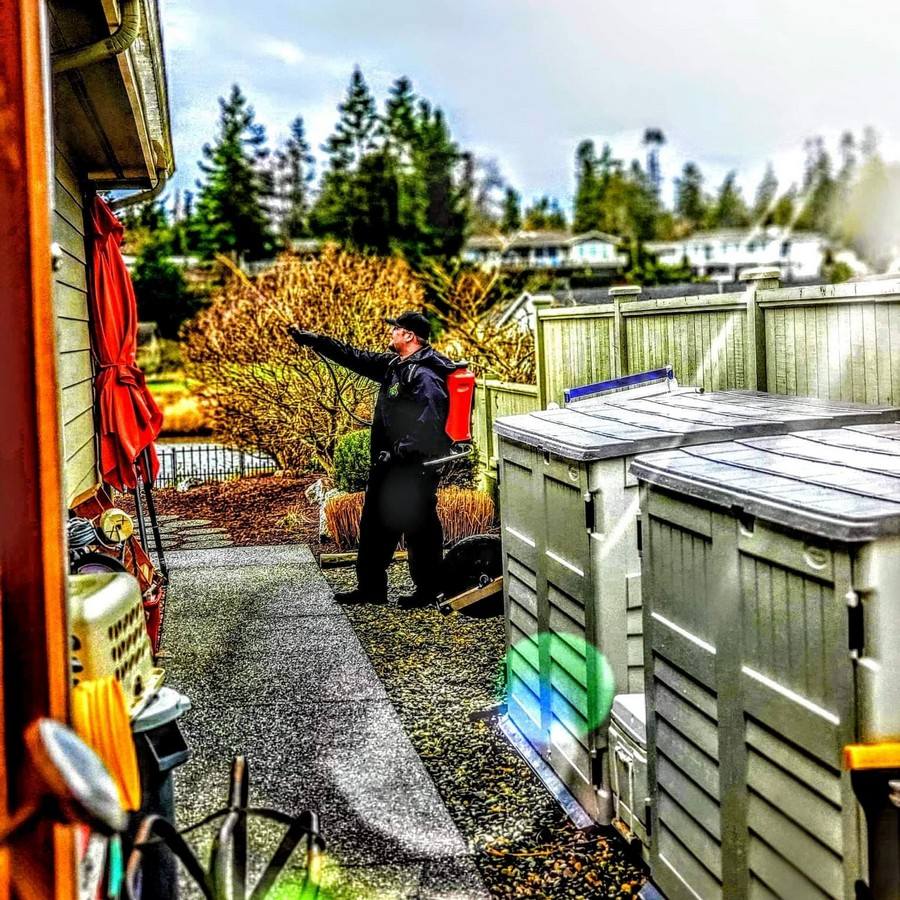
When stink bugs do get in, remove them without crushing — sweep or vacuum and dispose of them outside. For homes that see heavy stink bug pressure each fall, a professional can identify and help seal the specific entry points and, where appropriate, apply exterior treatments timed to the gathering season to reduce the number that reach your walls in the first place. Because stink bugs return to the same favorable houses year after year, getting ahead of the pattern with exclusion is what finally breaks the annual cycle.
Frequently Asked Questions
Do you handle stink bugs in the Houston area?
Yes. We help control and exclude stink bugs throughout Houston, Spring, Tomball, and the surrounding Harris County communities, focusing on sealing the entry points they use and, where appropriate, exterior treatment timed to their fall gathering season. Call or text 281-627-4810 to schedule a free inspection.
Why are stink bugs coming into my house?
They're seeking shelter to overwinter. As temperatures drop in fall, stink bugs gather on sunny exterior walls and slip inside through gaps around windows, doors, and the roofline to spend the winter in warm, protected voids. On warm winter days they may become active and wander into living spaces. It's a seasonal behavior, not a sign of a dirty home.
Do stink bugs bite or damage my home?
No. Stink bugs don't bite people or pets, aren't venomous, and don't sting. Indoors they don't feed, reproduce, or damage your home, furnishings, or food. They're purely a nuisance invader waiting out the winter. (Outdoors they're a crop pest, but that doesn't affect your home's structure.)
Why do stink bugs smell so bad?
They release a pungent, musty, cilantro-like odor as a defense when they're threatened, disturbed, or crushed. The smell lingers on surfaces and hands, and crushing a stink bug releases the full odor — which can even attract more stink bugs, since the scent signals others. That's why you should never squish them indoors.
What's the best way to get rid of stink bugs inside?
Remove them without crushing. Gently sweep or scoop them into a container and put them outside, or vacuum them up, keeping in mind the vacuum may retain the odor, so use a shop vac or empty and air out the canister promptly. Avoid smashing them on walls or floors, which leaves both a stain and a smell.
How are stink bugs getting inside?
Through gaps around window and door frames, torn screens, unsealed utility penetrations, cracks in siding and trim, and openings along the roofline, soffits, and attic vents — often on the sunny walls where they first gather. Once in a wall void or attic, they may not appear indoors until a warm spell rouses them.
How do I stop stink bugs from coming back every fall?
Seal them out before the season. Repair screens, seal gaps around windows, doors, siding, and the roofline, add door sweeps, and reduce exterior lighting that draws them at night. Because stink bugs return to the same favorable homes each year, exclusion done ahead of fall is what breaks the annual cycle. A professional can identify and help seal the specific entry points.
Do you offer a free inspection for stink bugs?
Yes. We'll inspect your home, identify the entry points behind your stink bug problem, and give you an honest plan and quote. Call or text 281-627-4810 for your Houston, Spring, or Tomball home. Everything is backed by our 100% service guarantee, with no contracts.
Ready to protect your Houston-area home?
Stink bug exclusion and control across Houston, Spring, Tomball, and Harris County — sealing them out before the season starts, backed by our 100% service guarantee.
Call or text 281-627-4810
Free inspection • No contracts • 100% service guarantee