A wasp sting can quickly turn a pleasant outdoor experience into a painful ordeal. Whether you’re enjoying a picnic in the park or working in your garden, encountering these buzzing insects can lead to unexpected stings. But fear not—Sasquatch Pest Control is here to provide essential tips for properly handling a wasp sting and minimizing discomfort.
Understanding the Wasp Sting When a wasp feels threatened, it may respond by delivering a painful sting. The venom injected by the wasp can trigger a range of reactions in humans, from mild irritation to severe allergic reactions. It’s important to treat a wasp sting promptly to alleviate pain and reduce the risk of complications.
Immediate Steps After a Wasp Sting If you or someone nearby experiences a wasp sting, it’s crucial to take immediate action:
- Remove the Stinger: If a stinger is left behind in the skin, carefully scrape it out with a fingernail or blunt object. Avoid using tweezers, as this can squeeze more venom into the wound.
- Clean the Area: Wash the affected area with soap and water to remove any dirt or debris. This can help reduce the risk of infection.
- Apply a Cold Compress: To alleviate pain and swelling, apply a cold compress or ice pack to the sting site. Wrap the ice pack in a cloth to prevent direct contact with the skin.
- Take Pain Relievers: Over-the-counter pain relievers such as ibuprofen or acetaminophen can help alleviate discomfort associated with the sting.
Monitoring for Signs of Allergic Reaction While most wasp stings cause localized pain and swelling, some individuals may experience allergic reactions that require immediate medical attention. Be vigilant for the following signs of an allergic reaction:
- Difficulty breathing or swallowing
- Swelling of the face, lips, or throat
- Dizziness or lightheadedness
- Rapid heartbeat
- Nausea or vomiting
If you or someone nearby exhibits any of these symptoms, seek emergency medical assistance immediately.
Preventing Future Wasp Stings While it’s impossible to completely eliminate the risk of wasp stings, there are steps you can take to minimize your chances of encountering these insects:
- Avoid wearing brightly colored clothing or strong fragrances, which can attract wasps.
- Keep food and drinks covered when dining outdoors to deter wasps from scavenging.
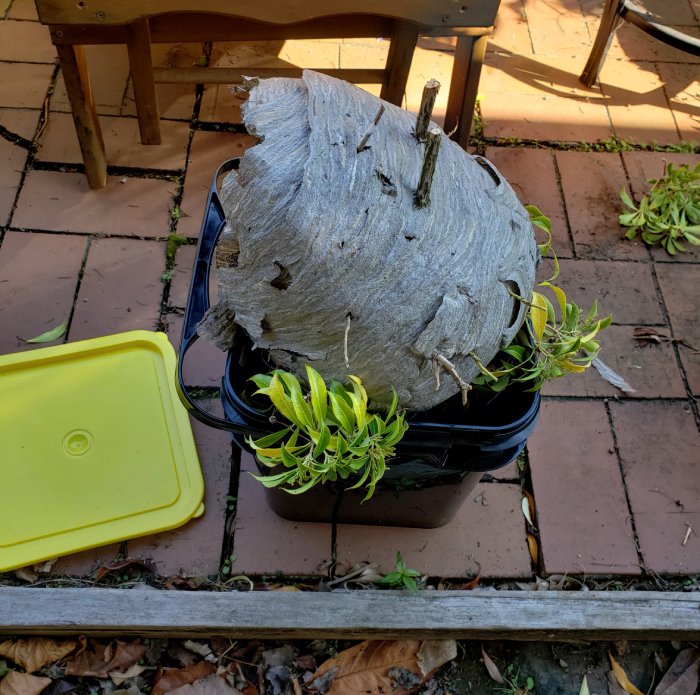
- Regularly inspect your property for wasp nests and contact a professional pest control service, like Sasquatch Pest Control, for safe removal.
- Educate yourself and your family members about wasp behavior and proper response to stings.
Trust Sasquatch Pest Control for Wasp Control At Sasquatch Pest Control, we understand the importance of safe and effective pest management. If you’re dealing with a wasp infestation on your property, our experienced team can provide comprehensive solutions to eliminate nests and reduce the risk of stings. Don’t let wasp stings put a damper on your outdoor activities—contact Sasquatch Pest Control for expert assistance.
Sasquatch Pest Control
Spring, TX
281-627-4810
SasquatchPCTX@gmail.com
sasquatchpestcontroltx.com
https://www.facebook.com/SasquatchPCTX
https://www.instagram.com/sasquatchpctx
https://nextdoor.com/page/sasquatch-pest-control
https://www.tiktok.com/@sasquatch.pest.co?_r=1&_t=ZP-94kCAZR1i2g
https://www.linkedin.com/in/sasquatch-pest-control-houston-tx-536a183b2/