
Warehouse & Distribution Pest Control in Houston
Big footprints, open docks, and constant inbound freight make warehouses a magnet for rodents and stored-product pests. We map, monitor, and document a program that holds up to SQF and AIB storage audits.
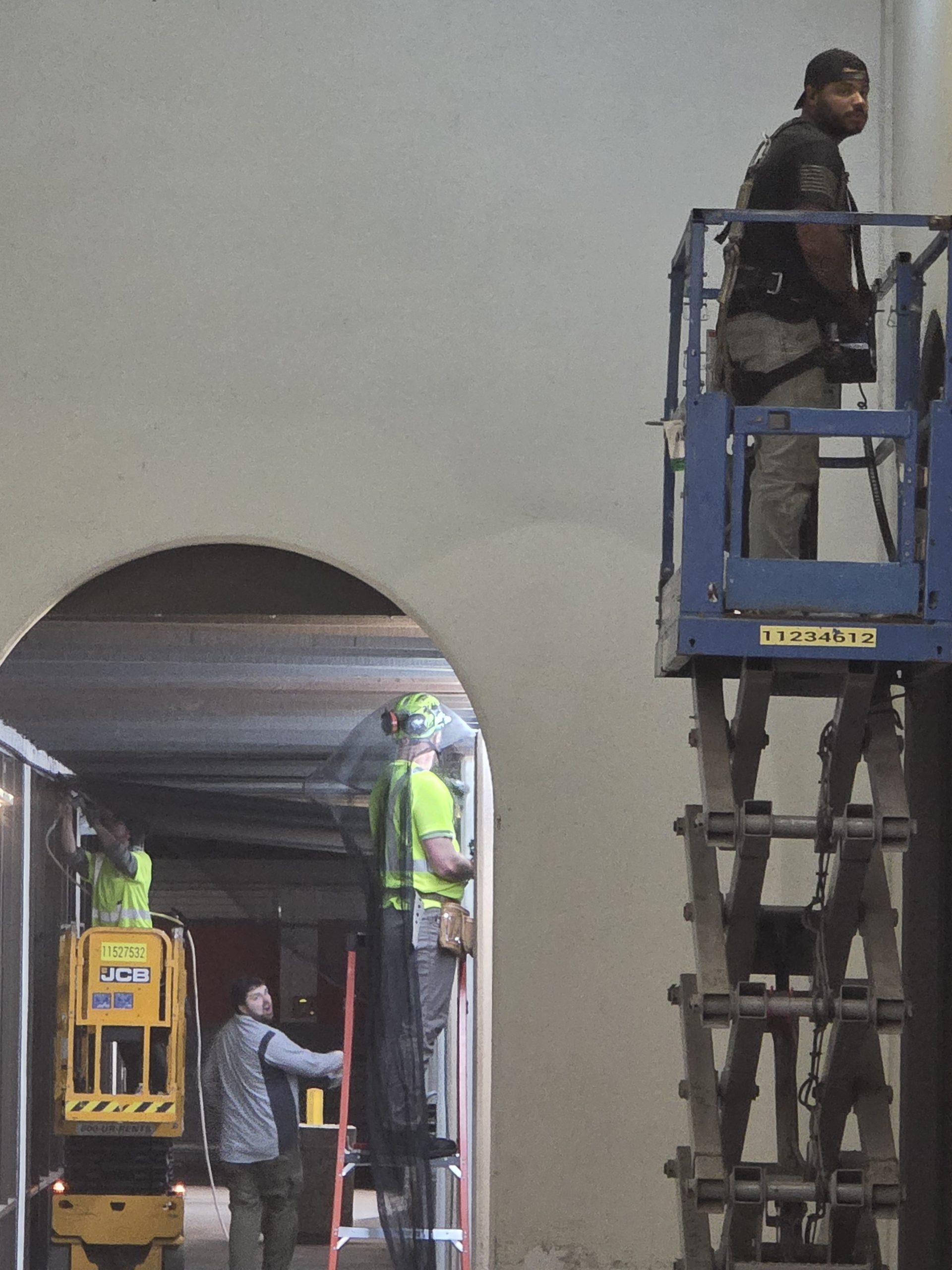
Your dock is your biggest pest risk
Every inbound pallet is a potential introduction, and every dock door is an open invitation. In a distribution environment, pests move with product — which means a single infested shipment can spread and a single finding can jeopardize a storage audit.
We build an exterior-in program: perimeter rodent control, dock and door exclusion, inbound inspection points, and interior monitoring, all mapped and trended so your auditor sees a system, not a scramble.
The standards we build your program around
- AIB Consolidated StandardsScored storage inspections cover device placement, sanitation, and documentation. We map and log to that standard.
- SQF Storage & DistributionGFSI-benchmarked storage certification requires a documented pest program with trending. We build to it.
- FSMA Sanitary TransportationFor food logistics, sanitary conditions extend to storage and transport. Our records support that requirement.
- Customer & third-party auditsRetailer and 3PL contracts often mandate pest documentation. We keep your binder audit-ready.
What our warehouse IPM program includes
Documentation that backs your audit
- Facility device map with numbered stations
- Service reports and monitoring every visit
- Stored-product trend reports
- Corrective-action records
- Licensed applicator records (TDA)
- Audit binder for SQF/AIB and customer audits
Storage audit coming up?
We will walk the facility, tighten dock exclusion, verify your device map, and hand you the trended documentation before your auditor arrives.
Why distribution centers work with Sasquatch
Warehouses fail pest audits on the boring stuff — an unmapped station, a propped dock door, a trend report nobody kept. We handle the system so you do not have to: mapped devices, disciplined monitoring, and documentation that is current every time an auditor or customer asks. TDA-licensed technicians, ACE-/PCIQ-guided program design.
Serving the greater Houston area
We work with facilities across Harris and Montgomery County, including:
The pests that threaten Houston-area warehouses
Warehouses and distribution centers give rodents and pests exactly what they want: shelter, harborage in racking and product, and a steady stream of inbound freight. In the Houston and Spring area, these are the offenders we build your program around.
- Norway & roof rats ride in on freight and enter from docks and utility lines; a rat needs only a half-inch gap and will gnaw wiring and product.
- House mice squeeze through a quarter-inch gap and nest high in racking and in palletized product — the most common warehouse rodent.
- Stored-product pests beetles, weevils, and moths that infest palletized goods and lead to rejected loads.
- German cockroaches harbor in break rooms, offices, and equipment and spread if unmanaged.
- Birds enter through open dock doors and roost in rafters, fouling product and triggering audit deductions.
The real cost of pests in a distribution facility
In a large facility, a rodent problem is a whole-facility problem: damaged and contaminated product, rejected loads, failed customer audits, and threatened contracts. A few scattered bait stations cannot protect tens of thousands of square feet. A systematic IPM program with inbound control and documentation is what keeps product moving and customers confident.
How our IPM program protects a large footprint
We run a systematic, ACE and PCIQ-guided IPM program scaled to your footprint and throughput. Every visit follows the same disciplined workflow:
Assess
We map racking, storage, mezzanines, docks, and utility runs and review inbound patterns and any current concerns.
Exclude
We seal dock-door, leveler, penetration, and roofline gaps — the points rodents use to get in.
Treat
We place targeted control and monitoring where activity is found, never broad spraying across product.
Monitor
Device maps track activity across the full footprint and at inbound docks so trends surface early.
Document
Every visit is logged with activity mapping, corrective actions, and trends — audit-ready for customers and third parties.
Verify
We confirm corrective actions worked and adjust the program as inventory and seasons change.
Systematic IPM vs. a few bait stations
A handful of perimeter bait stations leaves most of a large facility unprotected. Here is the difference:
| A few bait stations | Sasquatch IPM program | |
|---|---|---|
| Coverage | Only a few feet around each station | Systematic across the full footprint |
| Inbound freight | Not addressed | Dock and inbound inspection built in |
| Finding the source | Reactive, after damage | Activity mapping across the facility |
| Entry points | Usually missed | Sealed with structural exclusion |
| Audit readiness | Sparse records | Activity maps and trend documentation |
| Technicians | Varies | TDA-licensed, ACE/PCIQ-guided |
Audits and standards we keep you ready for
Distribution facilities answer to customers and auditors. Your program is built to protect your contracts and scores:
- Customer & third-party audits retail and food customers require documented pest programs; audits like AIB and SQF scrutinize pest evidence and records.
- FSMA & food-grade requirements for facilities handling food, FSMA and food-grade standards demand proactive pest management and documentation.
- Inbound-freight control because most facility rodents arrive on product, dock and inbound inspection is a core standard we build in.
- OSHA housekeeping rodent nesting and droppings are a housekeeping and safety issue a documented program supports.
- Texas Department of Agriculture (TDA) our technicians are TDA-licensed and apply materials in a code-compliant way.
Frequently asked questions
Do you handle stored-product pests?
Yes. We monitor for stored-product insects with pheromone traps, identify sources, and trend activity so problems are caught early and documented.
Can you inspect inbound freight?
We set up receiving inspection points and train your team on what to watch for, and we monitor the receiving area — but we direct sanitation and handling; we do not provide cleaning services.
Will you support our SQF or AIB audit?
Yes. We provide the device map, trend reports, and corrective-action records your storage audit requires, plus a pre-audit walk-through.
How do you keep rodents out of an open dock?
Exterior-in: perimeter stations, dock and door exclusion, and interior monitoring, all mapped and logged.
Which areas do you cover?
Warehousing and distribution facilities across Harris and Montgomery County and the greater Houston metro.
How do you cover such a large facility?
We combine a systematic inspection with device maps across racking, storage, docks, and utility runs, so activity is found and tracked across the full footprint rather than just at a few perimeter stations.
Do you check inbound freight?
Yes. Dock and inbound-freight inspection is a core part of a warehouse program, since rodents most often arrive on incoming product and pallets.
Do you seal entry points?
Yes. We seal dock-door, leveler, penetration, and roofline gaps so control is lasting rather than temporary.
Can you support our AIB or SQF audit?
Yes. Every visit is documented with activity mapping, corrective work, and trends, giving you audit-ready records for AIB, SQF, customer, and third-party inspections.
How much does warehouse pest control cost?
It scales with facility size and visit frequency and is highly cost-effective against damaged product, a rejected load, or a failed audit. Call 281-627-4810 for a facility assessment.
How often should we schedule service?
Most facilities do best with recurring monthly service plus inbound inspection and pre-audit sweeps, sized to throughput and audit cycle.
Which areas do you serve?
Warehouses and distribution centers across Houston, Spring, The Woodlands, Conroe, Cypress, Tomball, Humble, Kingwood, and the greater Harris and Montgomery County area.
Related commercial programs
Pass your storage audit on the pest section.
Free facility assessment for warehouses and distribution centers across Houston.