
Sasquatch Pest Control | Serving Houston, Spring & Tomball, TX | July 9, 2026
If you’re waking up with rows of small, itchy welts or spotting tiny rust-colored stains on your sheets, you may have bed bugs — and in the Houston area they stay active indoors year-round because our climate never forces them into dormancy. Bed bugs have nothing to do with how clean your home is; they’re hitchhikers that ride in on luggage, furniture, and bags. Because they hide deep in seams, cracks, and wall voids and are notoriously hard to eliminate with store-bought products, professional treatment is almost always what actually solves the problem.
What do bed bugs look like?
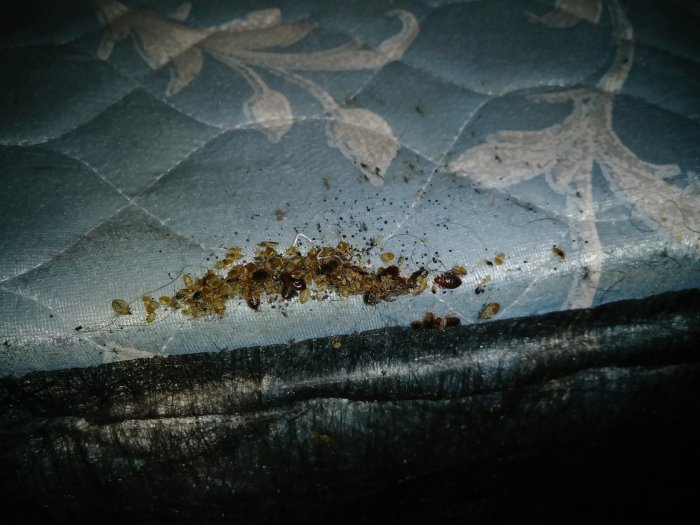
Adult bed bugs are flat, oval, and reddish-brown, about the size and shape of an apple seed. After feeding they swell and darken. Young bed bugs (nymphs) are much smaller and translucent to pale tan, which makes them easy to miss. You’ll also find their signs before you find the bugs themselves: dark rust-colored fecal spots on mattresses and seams, pale shed skins, tiny white eggs clustered in crevices, and small reddish blood smears on sheets.
They’re often confused with carpet beetles or young roaches, which is why correct identification is the first step of any real treatment — treating the wrong pest wastes time while the infestation grows.
How do I know if I have bed bugs?
The most common first clue is the bites: small, itchy welts that often appear in lines or clusters on skin exposed while sleeping. But bites alone aren’t proof, since people react very differently and some show no reaction at all. Look for the physical evidence — check the mattress seams, box spring, bed frame, headboard, and nearby nightstand for live bugs, dark spots, shed skins, and eggs, using a flashlight to see into crevices.
As an infestation grows, you may notice a faint sweet, musty odor. If you’re finding signs in more than one room, the population is well established and spreading, which makes professional inspection and treatment more urgent.
SASQUATCH TIP Never drag a mattress or furniture you suspect has bed bugs through the house or out to the curb before treatment — you’ll spread the infestation to every room it passes through. Wrap items in place and wait for a professional’s guidance on what can be treated versus discarded.
Where do bed bugs come from?
Bed bugs are expert hitchhikers. They travel in on luggage after a hotel stay, on secondhand furniture and mattresses, in bags and backpacks, and even between units in apartments and multi-family buildings through wall voids and shared utilities. Houston’s status as a major travel and population hub means a lot of bed bug movement through local homes, especially around the holidays and heavy travel seasons.
Because they arrive on items and people rather than from poor sanitation, even spotless homes get them. That’s also why prevention focuses on inspecting what you bring in — luggage, used furniture, and guests’ belongings — rather than just cleaning.
Are bed bug bites dangerous?
For most people, bed bug bites are itchy and irritating but not dangerous, and they typically fade within a week or two. The bigger risks are secondary: scratching can lead to skin infections, heavy infestations can disrupt sleep and cause real anxiety, and some people have stronger allergic reactions to the bites. Bed bugs are not currently known to transmit disease to humans the way mosquitoes do.
Still, the emotional and financial toll of a spreading infestation is significant, which is why catching and treating it early matters.
Can I get rid of bed bugs myself?
Bed bugs are one of the hardest household pests to eliminate, and DIY efforts usually fall short. Store-bought sprays kill the bugs you can see but miss the ones hidden deep in seams, cracks, wall voids, and behind outlets, and they don’t reliably kill the eggs — so the population rebounds. Some over-the-counter foggers can even scatter bed bugs deeper into the structure, making the problem worse.
Professional treatment works because it’s thorough and systematic: a full inspection to map the infestation, targeted treatment of every harborage, follow-up timed to catch newly hatched bugs, and guidance on preparing your home so the treatment reaches everywhere it needs to.
Frequently Asked Questions
Do you treat bed bugs in the Houston area?
Yes. We provide bed bug inspection and treatment throughout Houston, Spring, Tomball, and the surrounding Harris County communities. Because bed bugs are one of the toughest pests to eliminate, we start with a thorough inspection to confirm them and map how far they’ve spread, then build a treatment plan. Call or text 281-627-4810 to schedule.
How do I know if it’s bed bugs or something else?
Bites alone aren’t proof, since carpet beetles, fleas, and even skin conditions can mimic them. The reliable evidence is physical: apple-seed-sized reddish-brown bugs, dark fecal spots on seams, pale shed skins, and tiny eggs in crevices around the bed. A professional inspection confirms bed bugs versus look-alikes so you treat the right pest.
Are bed bugs a sign my house is dirty?
No — this is a persistent myth. Bed bugs are hitchhikers that ride in on luggage, used furniture, and bags, and they’re found in spotless luxury hotels and everywhere in between. All they need is people to feed on and nearby hiding spots, so a clean home offers no protection against bed bugs carried in from outside.
Can I just throw out my mattress to get rid of them?
Usually not, and doing it wrong makes things worse. Bed bugs hide throughout the room — in the frame, baseboards, outlets, and furniture — so discarding the mattress alone leaves the infestation behind, and dragging it through the house spreads bugs to every room it passes. Treatment should happen before anything is removed, and only on a professional’s guidance.
How long does bed bug treatment take?
It depends on the size of the infestation, but bed bugs almost always require more than one visit because eggs hatch after the initial treatment. A typical program includes the initial treatment, a preparation checklist so products reach every harborage, and a follow-up visit timed to eliminate newly hatched bugs. We’ll give you a realistic timeline during the inspection.
Are bed bug bites dangerous?
For most people they’re itchy and irritating but not dangerous, and they fade within a week or two. The main risks are secondary — skin infections from scratching, lost sleep, and anxiety — and bed bugs are not currently known to transmit disease to humans. Still, an untreated infestation spreads and worsens, so early treatment is worth it.
Do you offer a free bed bug inspection?
Yes. Every job starts with a free inspection so we can confirm bed bugs, locate the harborage, and give you an honest plan and quote. Call or text 281-627-4810 to schedule for your Houston, Spring, or Tomball home. Everything is backed by our 100% service guarantee.
Ready to protect your Houston-area home?
Bed bug inspection and treatment across Houston, Spring, Tomball, and Harris County — thorough, systematic, and backed by our 100% service guarantee.
Call or text 281-627-4810
Free inspection • No contracts • 100% service guarantee